[toc]
I. Introduction
Tired of Wi-Fi dead zones and unreliable connections? Enter the world of mesh networking! But wait, there’s more! This guide delves into the fascinating world of ZigBee and mesh networking technologies, exploring their functionalities and helping you choose the best fit for your needs.
II. Understanding the Core Concept: Demystifying Mesh Networking
What is Mesh Networking?
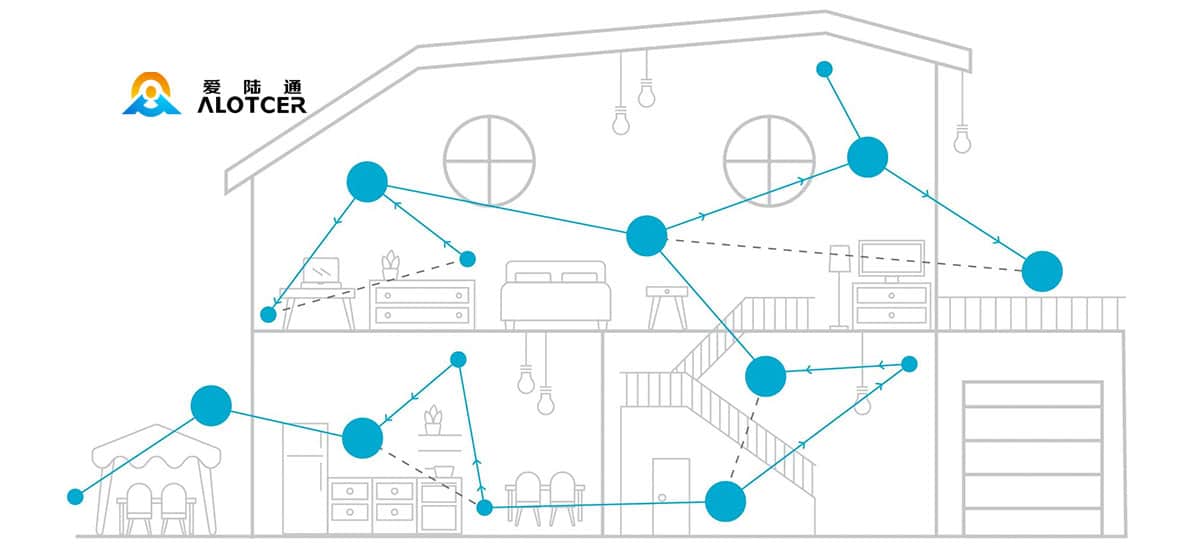
Mesh networking is a decentralized communication technology where devices connect directly with each other, creating a self-healing network that offers wider coverage and improved redundancy compared to traditional hub-and-spoke networks.
The Power of the Many: Key Characteristics of Mesh Networks
Multi-Hop Communication: Devices relay data packets through multiple hops, overcoming range limitations of individual devices and expanding network coverage.
Self-Healing Capabilities: If a node fails, the network automatically reroutes data through other available paths, ensuring continued connectivity.
Applications of Mesh Networking Technology
Whole-Home Wi-Fi: Extend Wi-Fi coverage throughout your home, eliminating dead zones and providing seamless internet access across rooms.
Smart Home Automation: Connect various smart home devices (lights, thermostats, sensors) to a mesh network for reliable communication and automated functionalities.
Industrial Automation: Establish a robust and scalable network for data collection and control in industrial settings.
III. The Established Player: Exploring ZigBee Technology
What is ZigBee?
ZigBee is a low-power, low-cost wireless communication protocol specifically designed for creating mesh networks.
The Core Functionalities of ZigBee
Low Power Consumption: Ideal for battery-powered devices, enabling longer lifespans without frequent recharging.
Standardized Protocol: Ensures compatibility between devices from different manufacturers using the ZigBee protocol.
Security Features: Provides basic security measures like encryption to protect data transmission within the network.
Applications of ZigBee Technology
Smart Home Automation: Connect various smart home devices like lights, thermostats, and sensors for reliable communication and automated control.
Building Automation Systems: Manage lighting, heating, and ventilation systems in buildings with ZigBee-enabled devices.
Industrial Automation Applications: Connect sensors and controllers in industrial settings for data monitoring and control tasks.
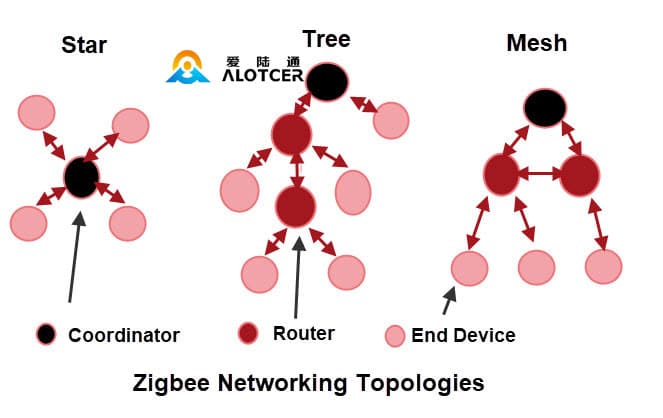
IV. A Challenger Emerges: Unveiling the Power of Modern Mesh Networking
Modern Mesh Networking: Building Upon the Foundation
Explain how modern mesh networking solutions often combine the core principles of mesh networking (multi-hop communication, self-healing capabilities) with additional features:
High-Performance Wi-Fi Standards: Support for newer Wi-Fi standards like Wi-Fi 6 or Wi-Fi 6E for faster speeds and improved network capacity.
Centralized Management: Offer a central hub or app for network configuration, device management, and troubleshooting.
Advanced Features: May include features like guest network creation, parental controls, and mesh network expansion options.
Applications of Modern Mesh Networking
Whole-Home Wi-Fi: Extend high-performance Wi-Fi coverage throughout your home, ideal for bandwidth-intensive activities like streaming or online gaming.
Smart Home Integration: Connect and manage a wide range of smart home devices seamlessly with centralized control.
V. ZigBee vs. Mesh: A Head-to-Head Comparison
Network Protocol
ZigBee – Relies on the specific ZigBee protocol for communication.
Mesh – Utilizes various protocols (including ZigBee) depending on the specific mesh networking solution.
Power Consumption
ZigBee – Optimized for low power consumption, ideal for battery-powered devices.
Mesh – Power consumption can vary depending on the specific mesh system and its functionalities. Some may require constant power for central hubs.
Features and Functionality
ZigBee – Offers basic functionalities like mesh networking and device communication.
Mesh – Often offers additional features like centralized management, advanced Wi-Fi standards, and guest network options.
Applications
ZigBee – Primarily used for smart home automation and industrial applications.
Mesh – Broader range of applications, including whole-home Wi-Fi, smart home integration, and potentially industrial automation.
Cost
ZigBee – Generally lower cost due to the established and simpler technology.
Mesh – May have a higher initial cost due to additional features and hardware requirements.
VI. Choosing the Right Path: When Does Each Make Sense?
Prioritizing Simplicity and Low Power Consumption
Recommend ZigBee for scenarios where low power consumption, affordability, and basic mesh networking functionalities for smart home devices or industrial sensor networks are the primary concerns.
Demanding High Performance and Advanced Features
Advocate for modern mesh networking solutions if high-performance Wi-Fi coverage, centralized management, advanced features like guest networks, and support for newer Wi-Fi standards are crucial for your needs (e.g., whole-home Wi-Fi for a large house with multiple users).
VII. Case Studies: Showcasing ZigBee and Mesh Networking in Action
ZigBee in Action: Smart Lighting Control
Discuss a scenario where ZigBee is used for smart lighting control. ZigBee-enabled light bulbs and a ZigBee-compatible remote control or hub communicate directly, allowing users to turn lights on/off, adjust brightness, or set automated lighting schedules.
Modern Mesh in Action: Whole-Home Wi-Fi Bliss
Highlight a modern mesh networking solution in action. A set of mesh routers strategically placed throughout a large house create a seamless Wi-Fi network, eliminating dead zones and ensuring strong internet connectivity for all devices in the home. The system can be centrally managed through an app, allowing for easy guest network creation and parental controls.
VIII. Beyond ZigBee and Mesh: Exploring the Future of Wireless Connectivity
Matter Protocol
Mention the development of the Matter protocol, a unifying standard aiming to simplify smart home device compatibility across various manufacturers. ZigBee and mesh networking principles can be leveraged within the Matter framework.
Integration with Artificial Intelligence (AI)
Discuss the potential for integrating AI with mesh networks, enabling features like intelligent network optimization, proactive troubleshooting, and personalized user experiences.
The Rise of Low-Power Wide-Area Networks (LPWAN)
Highlight the development of LPWAN technologies designed for long-range, low-power communication, ideal for connecting battery-powered devices in vast internet of things (IoT) deployments (complementary to mesh networks for specific applications).
IX. Frequently Asked Questions (FAQs)
Is ZigBee a type of mesh network?
Yes, ZigBee is a specific communication protocol designed for creating mesh networks.
Can I use ZigBee devices with a modern mesh network?
It depends on the specific mesh system. Some may be compatible with ZigBee devices, while others might utilize different protocols.
What are the security considerations for ZigBee and mesh networks?
Both ZigBee and mesh networks offer basic security features like encryption. However, it’s crucial to choose a solution with robust security protocols and keep devices and firmware updated for optimal protection.
What’s the future of ZigBee and mesh networking?
ZigBee is likely to remain relevant for applications requiring low-power communication. Mesh networking is expected to evolve, integrating with Matter protocol and potentially AI for enhanced functionalities within smart homes and beyond.
X. Conclusion
The Expanding Wireless Landscape
Briefly summarize the key differences between ZigBee and mesh networking, highlighting their strengths and ideal applications.
ZigBee is a low-power, low-cost wireless protocol optimized for creating simple mesh networks, ideal for smart home automation and industrial applications where power consumption is a priority. On the other hand, modern mesh networking solutions build upon the core mesh principles, offering advanced features like high-performance Wi-Fi standards, centralized management, and broader applications like whole-home Wi-Fi coverage.
Making an Informed Choice
Emphasize the importance of considering your specific needs and priorities (low power consumption, advanced features, Wi-Fi coverage) when choosing between ZigBee and modern mesh networking solutions.
When selecting between ZigBee and mesh networking technologies, it’s crucial to evaluate your specific requirements. If low power consumption, affordability, and basic mesh networking functionalities for smart home devices or industrial sensor networks are the top priorities, ZigBee might be the ideal choice. However, if you demand high-performance Wi-Fi coverage, centralized management, advanced features like guest networks, and support for newer Wi-Fi standards, modern mesh networking solutions may better cater to your needs, especially for whole-home Wi-Fi coverage in larger homes with multiple users.
A Connected Future Awaits
Conclude by looking ahead to the future of wireless communication, where ZigBee, mesh networking, and advancements like Matter and AI promise a more seamless, intelligent, and connected experience for users in homes, businesses, and beyond.
As we look ahead, the future of wireless communication appears increasingly seamless, intelligent, and connected. While ZigBee will likely remain relevant for low-power applications, mesh networking is poised to evolve, integrating with the Matter protocol and potentially leveraging artificial intelligence for enhanced functionalities within smart homes and beyond. These advancements pave the way for a more cohesive, user-friendly, and intelligent connected experience across homes, businesses, and various industries.
Whether you opt for the simplicity of ZigBee or the advanced capabilities of modern mesh networking solutions, one thing is certain: the wireless landscape is rapidly expanding, promising exciting innovations that will revolutionize how we interact with our connected devices and environments.