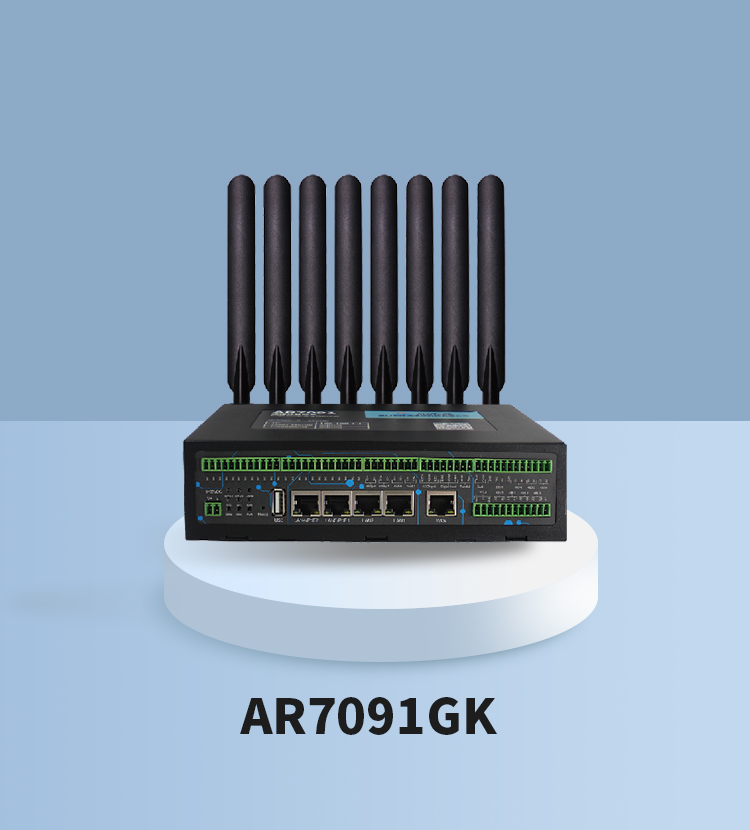
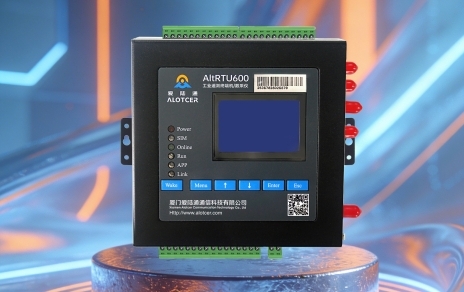
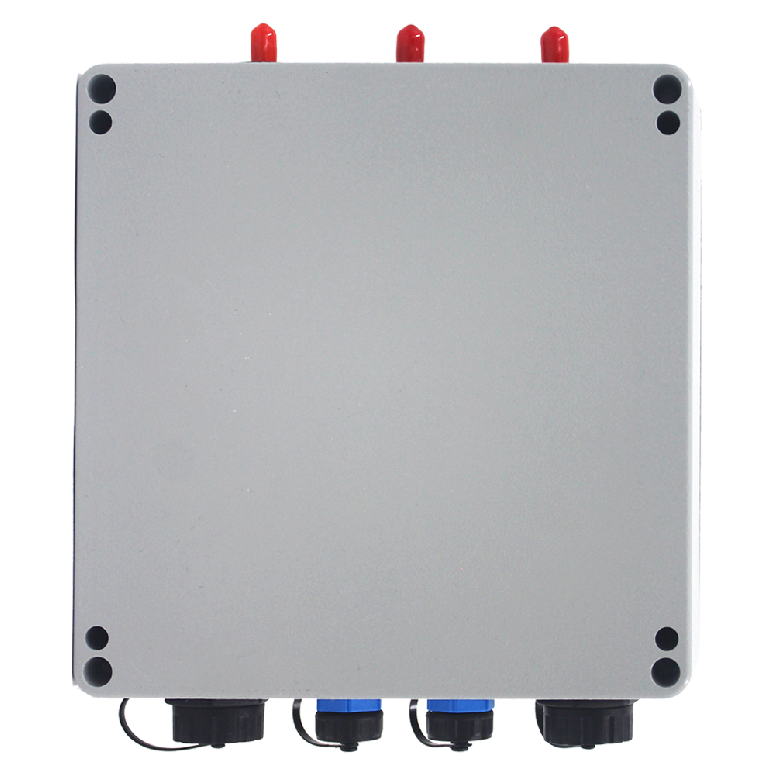
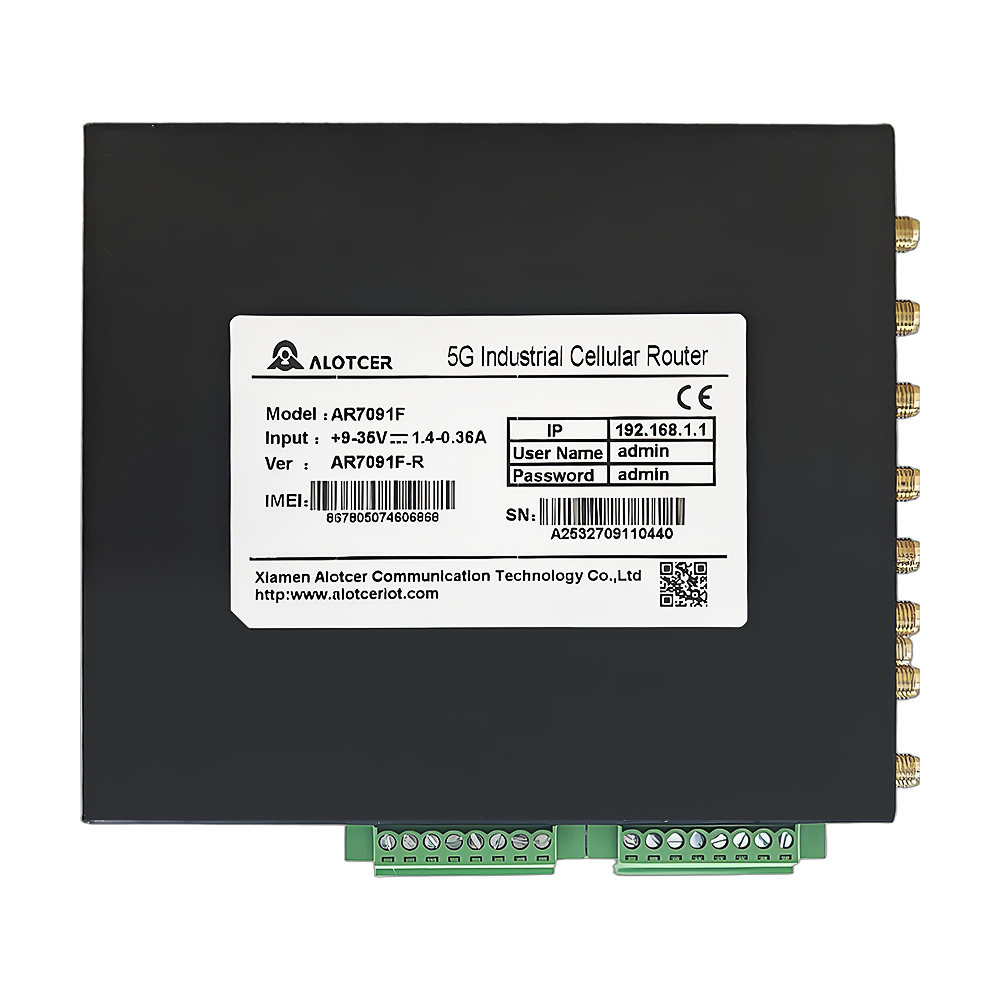
5G vs. 4G Industrial IoT Gateway – Which One Wins?

Think of an industrial IoT gateway as a “messenger” for factory equipment. This messenger carries information—temperature, pressure, water level, whatever the sensors collect—to a distant control center so engineers know how things are running.
The 5G industrial IoT gateway is a sprinter. It runs several times faster than 4G. Imagine delivering mail: the 5G messenger can haul a huge stack of letters and arrive instantly. In a large plant with hundreds or thousands of sensors, each pumping out data like envelopes, a 5G gateway whisks every “letter” to the control center without breaking a sweat. It also reacts almost instantly—like flipping a light switch and seeing immediate brightness. In manufacturing, that split-second response prevents machine faults and safeguards product quality.
The 4G industrial IoT gateway is the experienced, steady courier who moves a bit slower. Where data speed isn’t critical, it gets the job done perfectly. A small rural water-monitoring station, for instance, may only need to push a water-level reading every hour; 4G handles that reliably. After years of deployment, 4G technology is mature—like an old horse-drawn carriage: not the fastest, but rarely breaks down.
When does 5G make sense?
Beyond the obvious needs—ultra-low latency, massive throughput, huge device counts—several scenarios cry out for 5G.
Smart grids, for example, host countless devices demanding real-time visibility. If a short-circuit strikes, a 5G gateway flashes the alert to the control center, which can instantly isolate the fault zone and prevent cascade failures. Meanwhile, armies of smart meters stream usage data continuously; 5G’s capacity keeps them all talking without congestion.
Precision agriculture is another sweet spot. Large farms blanket fields with soil-moisture, temperature and nutrient sensors, while drones beam back high-res imagery. A 5G gateway funnels this firehose of data to the farm’s nerve center, letting growers irrigate and fertilize with surgical precision, boosting yields and crop quality.
Is 5G worth the price tag?
Yes, 5G industrial gateways cost more than 4G. The premium reflects advanced chipsets, antenna arrays and software stacks—like flagship smartphones at launch. Prices will fall as volumes rise and technology diffuses. Already, vendors are driving costs down to reasonable levels.
Whether to invest hinges on your roadmap. If you plan to scale production, add equipment, or launch latency-sensitive services, early 5G deployment pays off. A factory today may survive on 4G with modest machinery, but if automation will quintuple sensor density within three years, buying 5G now avoids a rip-and-replace cycle later, saving both money and downtime.
Security also tips the scale. 5G introduces new encryption, network slicing and zero-trust architectures that harden defenses against data breaches and cyber-attacks. If you handle state-critical infrastructure or commercially sensitive information, the stronger security posture of 5G industrial IoT gateways is not optional—it is essential.