Introduction
In the era of digital transformation, efficient and secure remote access to industrial systems is paramount. A VPN router for PLC remote access offers a robust solution to this need. But what exactly are the benefits? Let’s dive in!
Understanding VPN and PLC
What is a VPN?
A Virtual Private Network (VPN) is a service that encrypts your internet connection and hides your online identity, ensuring that your data is safe and secure from prying eyes.
What is a PLC?
A Programmable Logic Controller (PLC) is an industrial digital computer used for automation of electromechanical processes, such as control of machinery on factory assembly lines, amusement rides, or light fixtures.

Importance of Remote Access for PLCs
Benefits of Remote Access
Remote access allows operators and engineers to monitor and control PLCs from any location. This capability is crucial for timely decision-making and maintaining operational efficiency.
Challenges Without Remote Access
Without remote access, diagnosing and resolving issues often require on-site visits, leading to increased downtime and higher operational costs.
Key Benefits of Using a VPN Router for PLC Remote Access
Enhanced Security
Encryption and Data Protection
A VPN router encrypts data traffic, ensuring that sensitive information transmitted between the PLC and the remote user remains confidential.
Secure Remote Connections
Using a VPN router provides a secure tunnel for remote connections, protecting against cyber threats and unauthorized access.
Improved Reliability
Stable Connections
VPN routers offer stable and consistent connections, reducing the likelihood of disconnections and ensuring smooth operation of remote access systems.
Reduced Downtime
With reliable remote access, issues can be quickly identified and resolved, minimizing downtime and keeping production lines running efficiently.
Cost Efficiency
Lower Operational Costs
By enabling remote diagnostics and troubleshooting, VPN routers reduce the need for on-site visits, saving travel and labor costs.
Reduced Need for On-Site Visits
Remote access allows technicians to perform maintenance and updates without being physically present, streamlining operations and reducing costs.
Increased Flexibility
Access from Anywhere
A VPN router allows users to access PLCs from any location, providing flexibility and ensuring continuous monitoring and control.
Scalability
VPN solutions can easily scale to accommodate growing network demands, making them suitable for businesses of all sizes.
Ease of Troubleshooting
Remote Diagnostics
Technicians can diagnose issues remotely, speeding up the troubleshooting process and ensuring quick resolutions.
Faster Issue Resolution
With remote access, problems can be addressed promptly, reducing downtime and improving overall productivity.
Setting Up a VPN Router for PLC Remote Access
Choosing the Right VPN Router
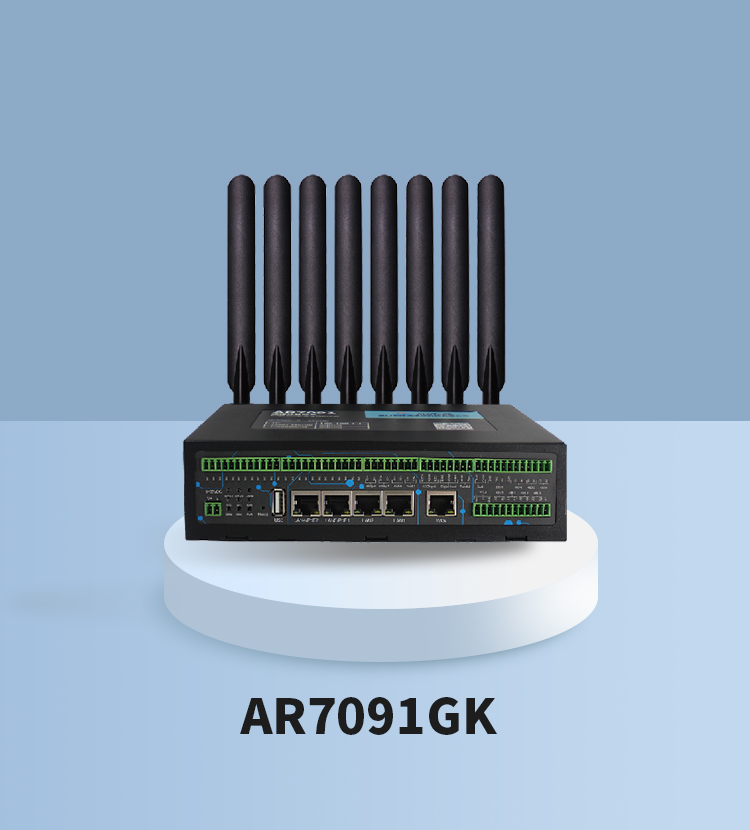
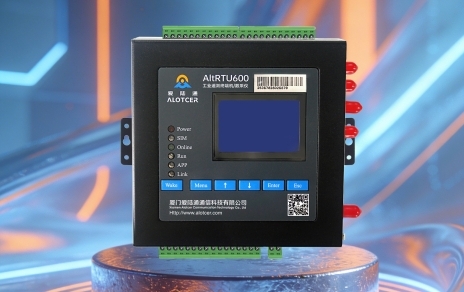
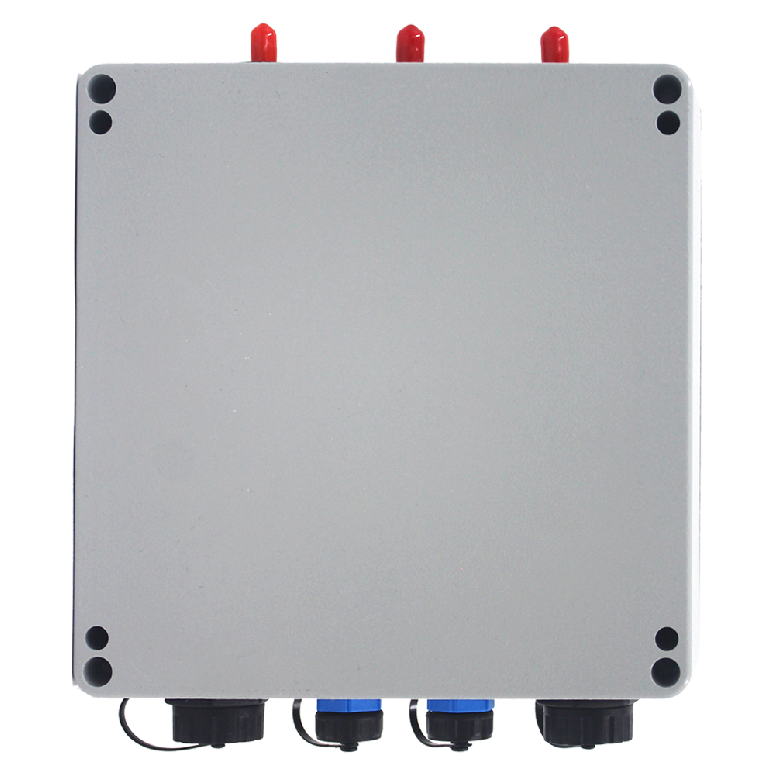
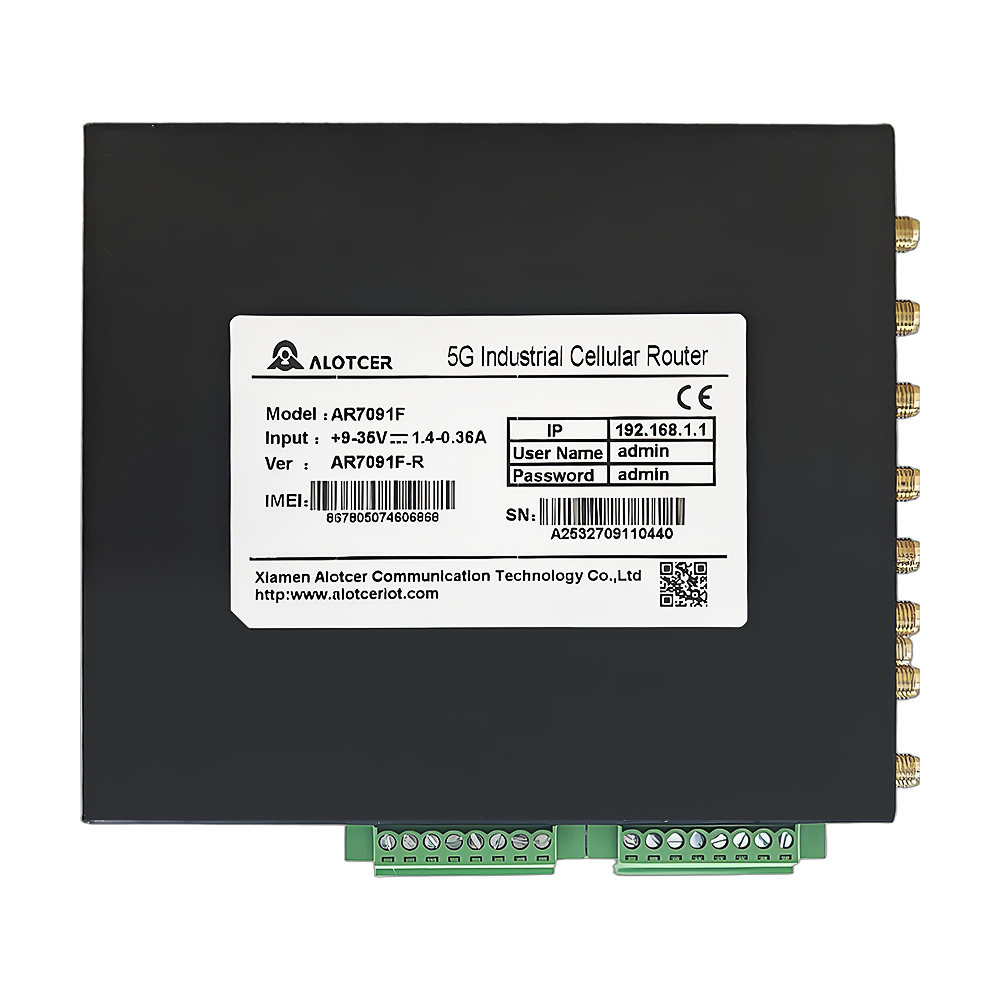
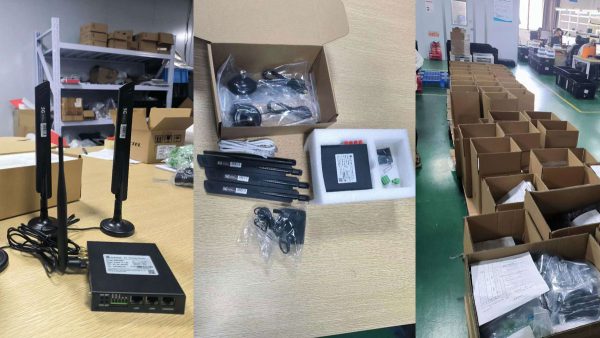
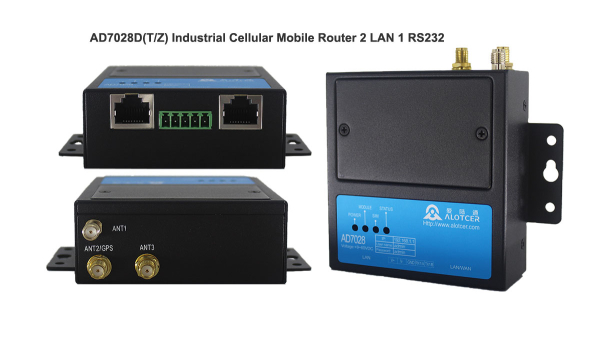
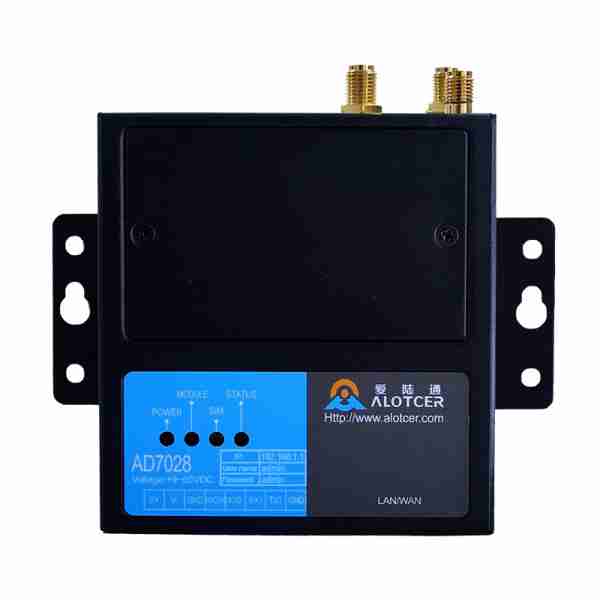
Selecting a Alotcer Industrial VPN router with robust security features and compatibility with your PLC systems is crucial for effective remote access.
Basic Configuration Steps
- Connect the VPN Router to your network.
- Configure VPN Settings according to the manufacturer’s guidelines.
- Ensure Compatibility with your PLC systems.
- Test the Connection to verify secure and stable access.
Common Setup Challenges and Solutions
- Configuration Errors: Double-check settings and consult the router’s manual.
- Compatibility Issues: Ensure firmware updates and compatibility checks.
Applications
Case Study: Manufacturing Industry
A leading manufacturer implemented VPN routers for remote PLC access, resulting in a 30% reduction in downtime and a 20% decrease in maintenance costs.
Case Study: Utilities Sector
In the utilities sector, VPN routers enabled remote monitoring and control of PLCs, enhancing operational efficiency and reducing response times for critical issues.

Future Trends in VPN and PLC Technology
Advancements in VPN Technology
Emerging technologies like SD-WAN and quantum-resistant encryption are set to revolutionize VPN services, offering even more secure and efficient remote access solutions.
Innovations in PLCs
The integration of AI and machine learning into PLCs promises to enhance automation capabilities, making them smarter and more adaptable to changing industrial needs.
Conclusion
Utilizing a VPN router for PLC remote access offers numerous benefits, from enhanced security and improved reliability to cost efficiency and increased flexibility. As technology continues to evolve, the integration of VPNs and PLCs will play a critical role in driving industrial automation forward.
FAQs
How does a VPN router enhance PLC security?
A VPN router encrypts the data traffic between the PLC and remote users, ensuring that sensitive information is protected from cyber threats and unauthorized access.
Can I use any VPN router for PLC remote access?
Not all VPN routers are suitable for PLC remote access. It’s essential to choose a router that offers robust security features and is compatible with your PLC systems.
What are the common challenges in setting up a VPN router for PLCs?
Common challenges include configuration errors and compatibility issues. Ensuring proper setup and consulting the router’s manual can help mitigate these challenges.
How does remote access reduce operational costs?
Remote access eliminates the need for frequent on-site visits, reducing travel and labor costs. It also allows for quicker issue resolution, minimizing downtime.
What future trends should we expect in VPN and PLC technology?
Future trends include advancements in VPN technology like SD-WAN and quantum-resistant encryption, as well as the integration of AI and machine learning into PLCs for enhanced automation capabilities.