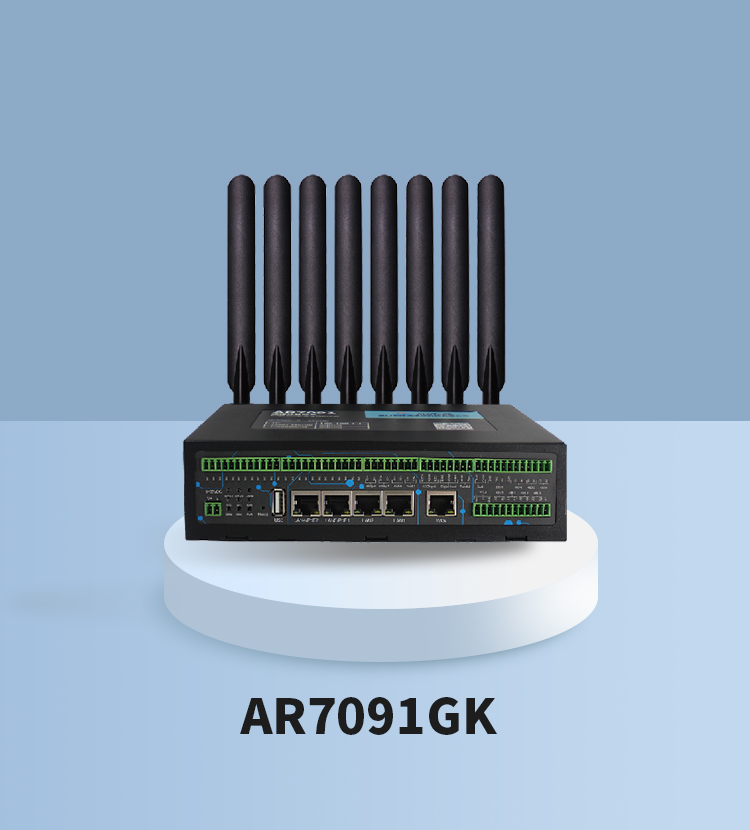
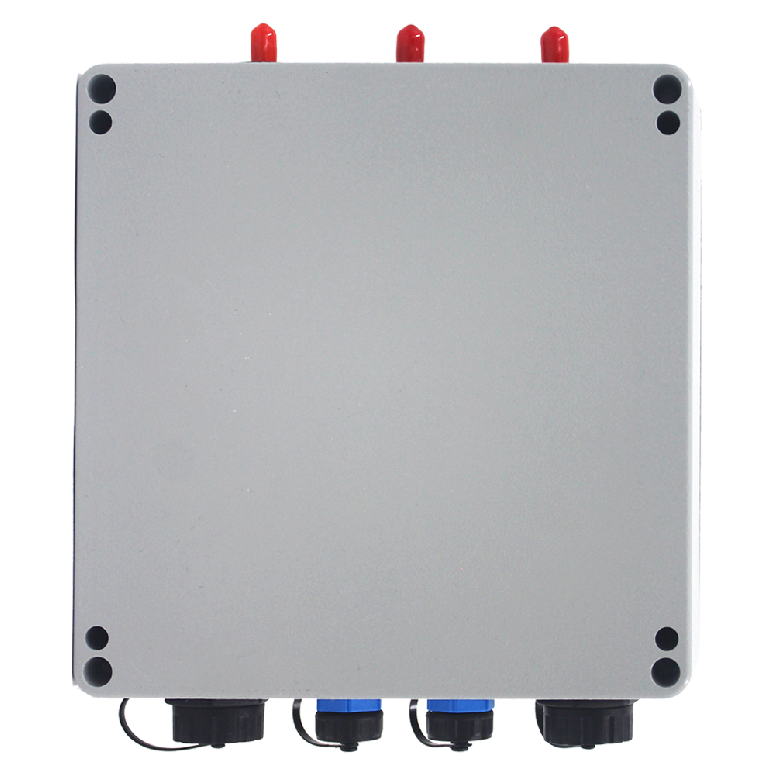
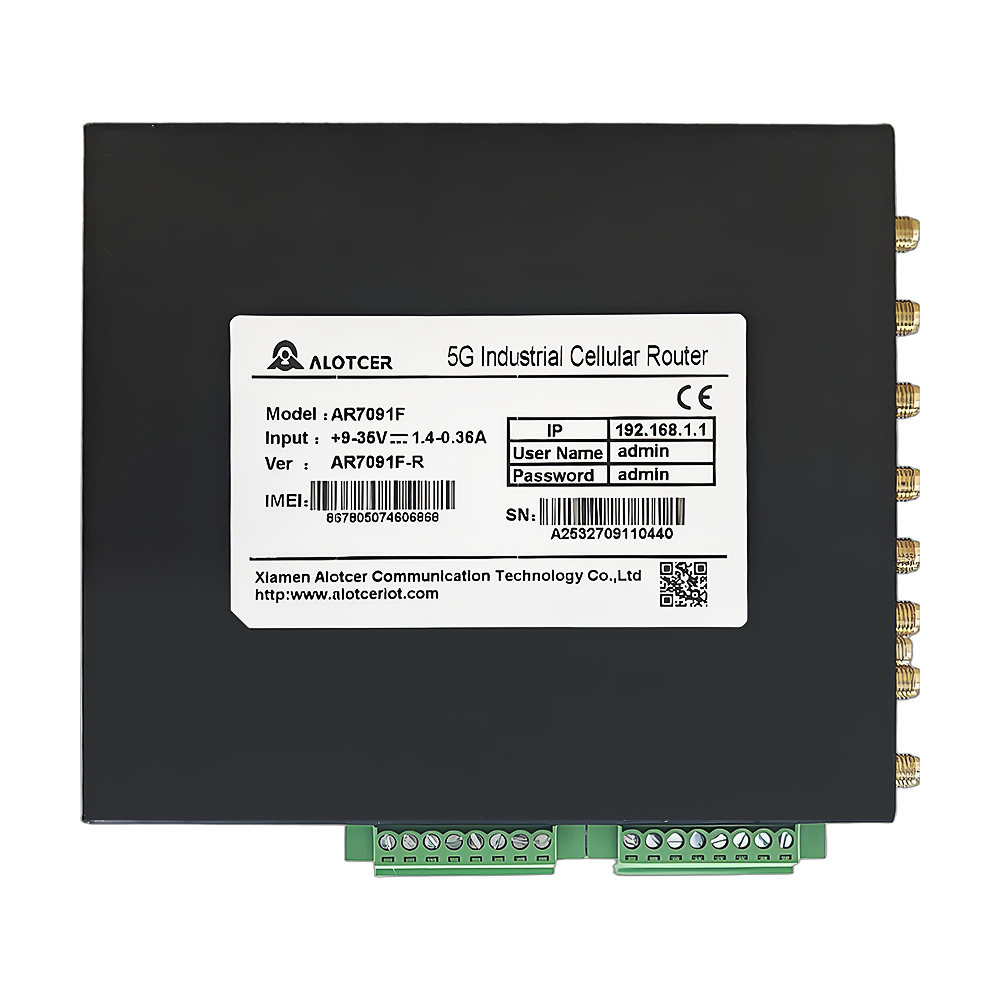
Most of us rely on networks to make calls and surf the web. A 4G point-to-point networking terminal is a device that connects two locations directly, letting them exchange information without intermediaries. Think of two old friends—one living at the east end of a village, the other at the west. In the past they had to pass messages through others or walk to meet. Now this terminal builds a direct path between them; they can talk freely without bothering anyone else.

Flexible Deployment for Diverse Scenarios
Traditional wired connections—fiber or copper—face heavy constraints. Rugged terrain in remote mountains, with rivers and ridges, makes cabling prohibitively difficult: massive labor, material coordination and stretched timelines. Historic buildings forbid drilling that damages structures; temporary sites simply cannot host permanent lines.
The 4G point-to-point terminal solves all this. Leveraging mature 4G infrastructure, it needs no cabling. Install a unit at each node within 4G coverage and the link is live instantly. Field scientists, for example, can deploy terminals at scattered observation posts and begin real-time data transmission immediately—no cabling delays, no lost research days.
Cost Efficiency, Lower Total Investment
Traditional wired builds demand reels of cable, switches, routers and professional crews. Equipment purchases, wages and rentals push initial costs sky-high. A large corporate campus might lay dozens of kilometers of fiber, buy racks of gear and spend millions before the first packet flows.
4G point-to-point terminals slash that upfront outlay. Buy the two boxes, skip the trenching. Mass 4G adoption has also driven terminal prices down, easing entry for smaller budgets. Maintenance follows the same logic: wired plants need periodic line inspection, repair and replacement as cables age—costly and outage-prone. 4G terminals need only occasional device check-ups and firmware updates, cutting both risk and operating expense.
High-Speed Stable Transmission, Quality Assured
4G bandwidth and low latency satisfy most industry demands. In latency-critical arenas like remote surgery, high-definition video must flow flawlessly; any stutter could cost a life. The terminal leverages 4G to deliver crisp, continuous footage so surgeons see every detail and act decisively.
4G also resists interference better than older wireless. Factory floors and shopping malls swarm with electromagnetic noise that disrupts legacy radios. Advanced modulation and anti-interference algorithms in these terminals keep data flowing steadily despite the chaos.
Easy Expansion and Upgrade, Future-Ready
Business growth demands scalable communications. Adding a node with 4G point-to-point means simply installing another terminal—no rewiring, no downtime. A retail chain opening new stores just places a unit in each; instant linkage to headquarters and sister shops.
Technology evolution is equally smooth. As 4G advances and 5G emerges, software upgrades push new standards and features to existing hardware. Enterprises enjoy faster, more stable service without forklift hardware swaps, controlling both cost and risk while keeping pace with innovation.
Secure and Reliable, Protecting Privacy
In the digital age, data security is paramount. These terminals deploy multiple safeguards. Encryption wraps transmitted data in ciphertext; even if intercepted, content remains unreadable, defeating theft and tampering. Financial institutions, for instance, shield customer transactions and sensitive records in transit, preserving privacy and funds.
Identity authentication and access control further harden the perimeter. Only authorized devices join the network; granular permissions restrict internal data exposure. R&D files, highly confidential, can be walled off so only engineering staff reach them—core intellectual property stays safe.