What is an encrypted gateway?

Let’s start with the basics. Networks are everywhere today—just like phone calls and text messages, except networks convert text, images and more into electrical signals that travel back and forth. In industry, countless machines also need to talk over networks, telling each other what to do. One machine might say to another, “I’ve finished this batch of parts—your turn.”
But transmitting over networks isn’t safe. It’s like two people chatting on a busy street; someone might eavesdrop. If industrial data gets stolen or tampered with, the consequences can be severe. Imagine a machine programmed to produce 100 parts receives a forged command for 200—the equipment gets overstressed, malfunctions or even fails catastrophically.
An encrypted gateway acts like a “bodyguard” for data in transit. It stands guard along the transmission path, scrambling information into gibberish that only password-holders can decipher. At the destination, the receiving gateway unscrambles it back to readable form. Even if attackers intercept the data mid-journey, they see only meaningless code—security preserved.
What is an encrypted industrial gateway?
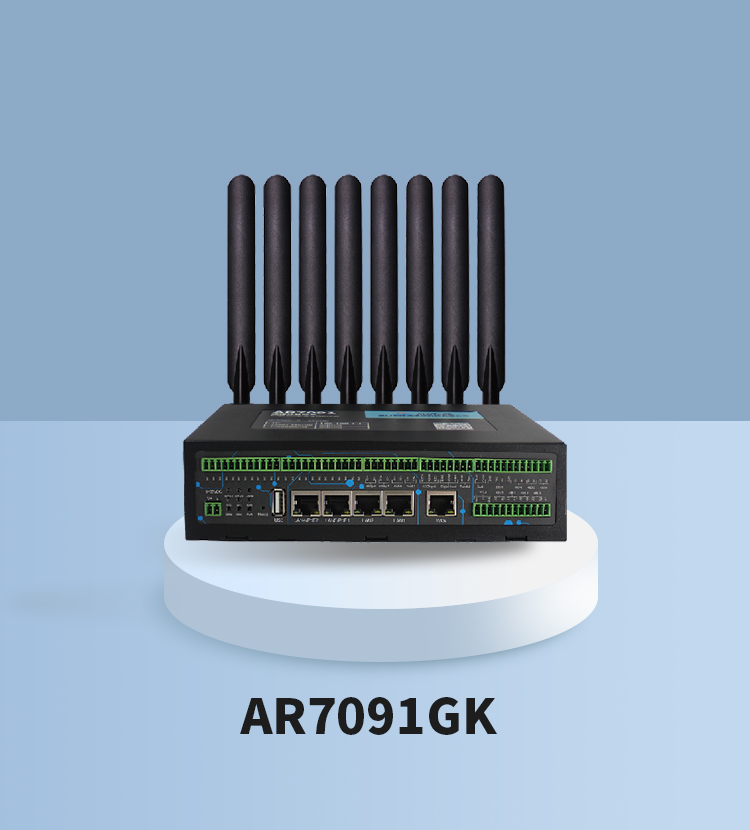
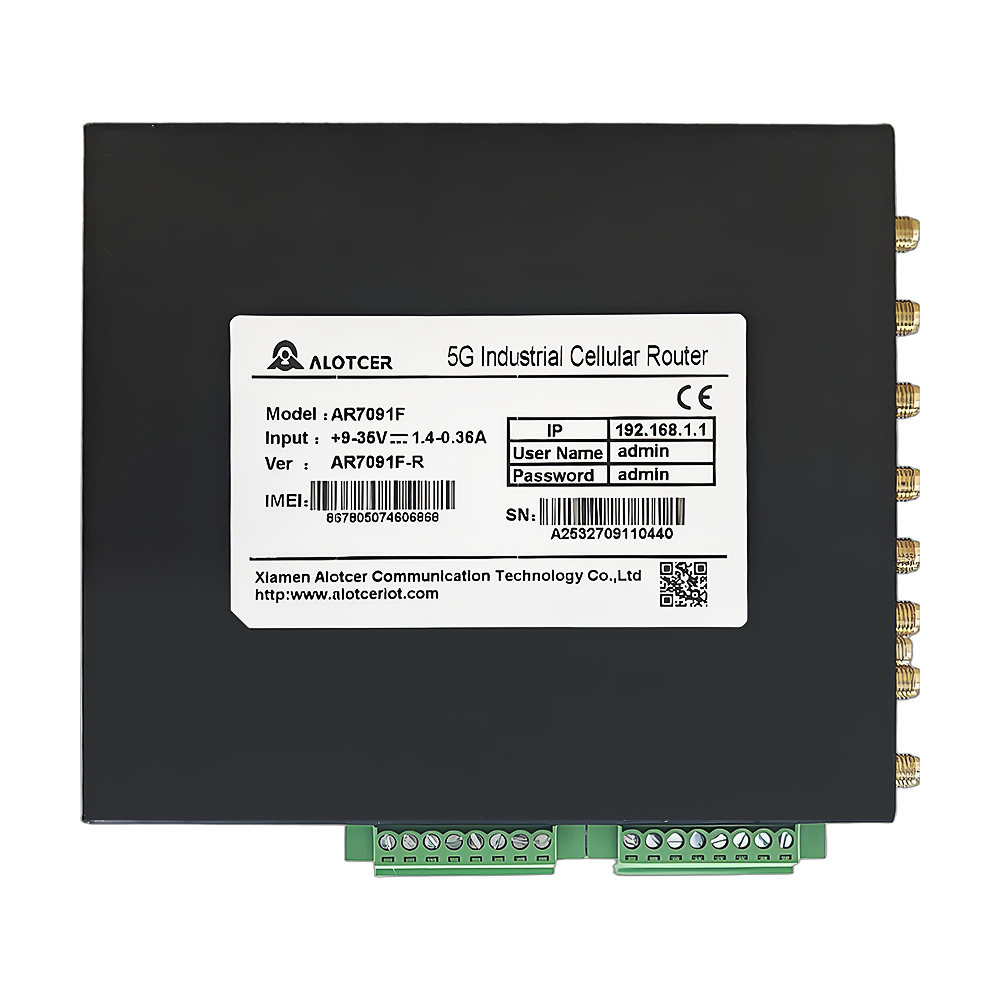
When encryption meets industrial applications, you get the encrypted industrial gateway. Industrial environments are complex: diverse machines speak different “languages” called communication protocols—Modbus, Profibus and many others. A standard gateway cannot converse with all these dialects, but an encrypted industrial gateway acts as a multilingual translator, fluent in every protocol.
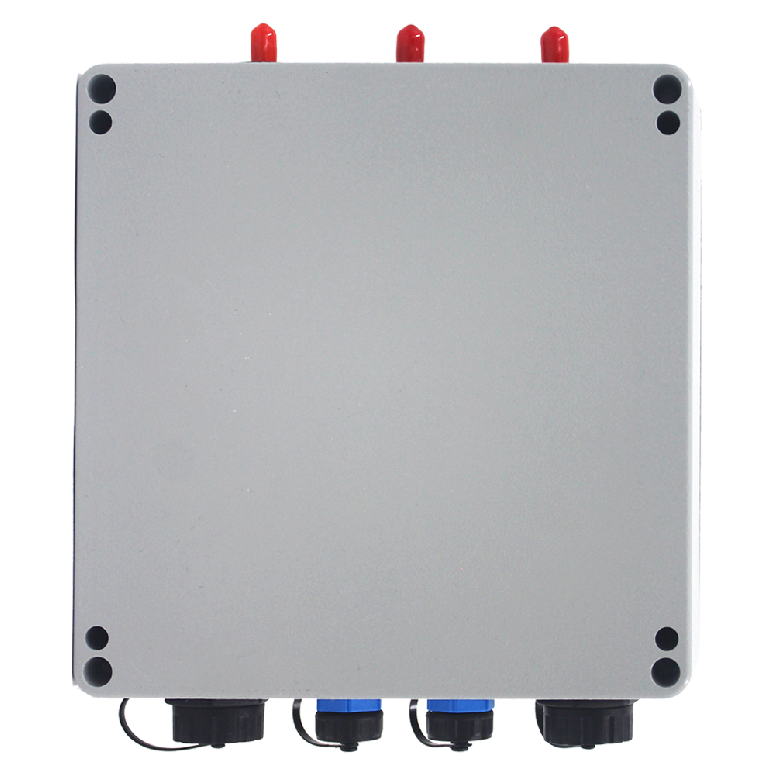
Industrial sites are also harsh—dusty, scorching, freezing or vibrating. Consumer-grade gateways crumble; industrial-grade encryption gateways are built rugged to thrive where ordinary electronics fail.
Consider an automotive factory with interconnected production lines. Without encrypted industrial gateways, machine communications resemble unlocked houses—anyone can enter, peek or modify. Attackers altering critical manufacturing data could produce defective vehicles, risking accidents and recalls. After deploying encrypted industrial gateways, all information gets “locked.” Threats are neutralized; production proceeds securely and steadily.
What are the benefits of encrypted industrial gateways?
Keeping secrets secret
Information security is paramount! Industrial data—proprietary manufacturing methods, critical machine parameters—is treasure. If stolen, competitors can counterfeit products or sabotage equipment. The encrypted industrial gateway is a heavy vault door, sealing data tight against theft and comprehension.
Regulatory compliance
National authorities increasingly prioritize cybersecurity, issuing strict mandates. Non-compliance means penalties. The encrypted industrial gateway helps enterprises play by the rules, avoiding fines and legal trouble for information security lapses.
Competitive advantage
This may surprise some, but it’s straightforward: given two suppliers, customers prefer the one with stronger data protection. No one wants their information leaked. Companies deploying encrypted industrial gateways wear the badge of trustworthiness, attracting more business and greater profits in the marketplace.