[toc]
Introduction
The IoT is booming, connecting devices and transforming our world. But how do these devices talk to each other? Enter ZigBee, a powerful protocol silently orchestrating communication in countless smart homes and beyond. This guide delves into the world of ZigBee, empowering you to understand its role in the ever-expanding IoT landscape.
The Symphony of the Smart Home
In the ever-evolving world of IoT, communication protocols play a crucial role. They define how devices communicate with each other, ensuring seamless data exchange. ZigBee caters specifically to low-power, short-range communication in smart homes and other resource-constrained environments. As we dive into the technicalities of ZigBee, you’ll discover why it stands out among other protocols, making it an ideal choice for your smart home needs.
Demystifying ZigBee: A Technical Breakdown
The Core Concept
ZigBee is a communication protocol based on the IEEE 802.15.4 standard, designed for low-power wireless networks. It facilitates wireless communication between devices, especially those requiring minimal power and bandwidth. Think of ZigBee as the conductor of an orchestra, ensuring each IoT device plays its part perfectly in harmony.
The Building Blocks of ZigBee
A ZigBee network comprises three key components:
- Coordinator: This is the central hub that manages the network. It establishes connections and forwards data between devices.
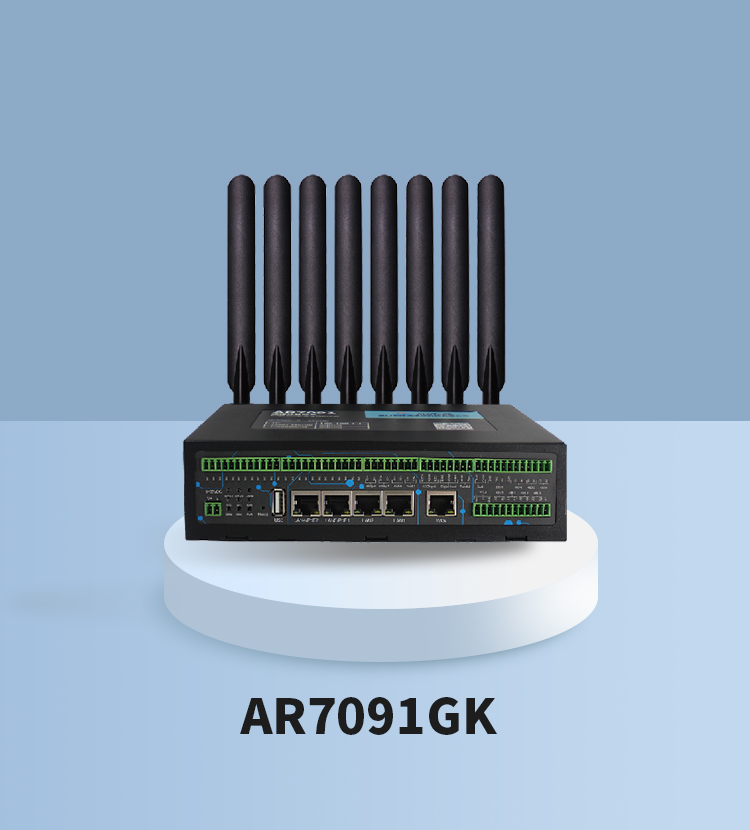
- Industrial Routers: These devices relay signals, expanding the network’s coverage area. They help in maintaining network integrity by routing data.
- End Devices: These are battery-powered sensors and actuators that communicate with other devices in the network. They perform specific tasks and relay information back to the coordinator.
Mesh Networking: The Power of Collaboration
One of ZigBee’s core strengths is mesh networking. In a mesh network, devices can communicate directly with each other, not just with the coordinator. This inter-device communication enhances network resilience. If one route is blocked, data can be rerouted through other devices, ensuring continuous and reliable communication.
Unveiling the Benefits of ZigBee: Why Choose This Protocol?
Low Power Consumption
ZigBee’s primary advantage is its focus on low power usage. This enables battery-powered devices to function for extended periods without frequent replacements. In resource-constrained environments where frequent charging is impractical, ZigBee shines by ensuring devices remain operational for years.
Scalability and Flexibility
ZigBee networks are easily expandable. Adding new devices is straightforward, allowing your smart home or network to grow with your needs. This scalability offers flexibility in device placement, thanks to mesh networking capabilities that ensure consistent and reliable communication across the network.
Security Matters
Security is a significant concern in any wireless communication protocol. ZigBee addresses this by using 128-bit AES encryption for secure communication between devices. This robust security framework protects your smart home from unauthorized access and data breaches, providing peace of mind in an increasingly connected world.
Common Applications: Where Does ZigBee Shine?
Smart Home Nirvana
ZigBee is widely used in smart home applications, connecting smart lights, thermostats, locks, and sensors for seamless automation and control. It enables remote monitoring and management of your home environment, creating a smart home nirvana where everything works harmoniously.
Beyond the Home
ZigBee’s adoption extends beyond smart homes. It’s increasingly used in:
- Building automation: For energy-efficient lighting and climate control in commercial spaces.
- Industrial automation: For sensor networks in factories and warehouses.
- Smart cities: For managing traffic flow, parking availability, and environmental data.
ZigBee vs. Other IoT Protocols: Picking the Perfect Match
A Tale of Two Protocols
When comparing ZigBee with other popular options like Wi-Fi and Bluetooth, several factors come into play:
- Power Consumption: ZigBee is designed for low power usage, making it ideal for battery-powered devices.
- Range: While Wi-Fi offers broad coverage, ZigBee’s mesh networking extends its range within a network of devices.
- Security: ZigBee’s built-in 128-bit AES encryption ensures secure communication.
- Application Suitability: ZigBee excels in low-power, short-range communication for resource-constrained devices, while Wi-Fi is better suited for high-bandwidth applications, and Bluetooth for short-range, device-to-device communication.
Setting Up a ZigBee Network: A Step-by-Step Guide
Gathering the Essentials
To set up a ZigBee network, you’ll need:
- ZigBee-compatible coordinator device: Often a smart home hub.
- ZigBee-enabled smart devices: Such as lights, sensors, and actuators.
The Power of Simplicity
ZigBee networks are generally easy to set up. Many devices automatically pair with the coordinator upon powering on. User-friendly apps guide you through the configuration process, making it accessible even for those with minimal technical expertise.
Advanced Configuration (Optional)
For advanced users, options include:
- Managing network settings and security protocols: Customize your network for optimal performance and security.
- Creating custom automation rules: Develop specific actions and reactions for your smart home devices to enhance automation.
Troubleshooting Common ZigBee Network Issues
Connection Problems
If you encounter connection issues, consider the following tips:
- Verify device range: Ensure devices are within range of the coordinator or a router.
- Check pairing procedures: Make sure proper pairing procedures are followed.
- Reset devices or coordinator: Sometimes a simple reset can resolve connectivity issues.
Device Unresponsiveness
For unresponsive devices:
- Check battery levels: Replace batteries if needed.
- Restart devices and coordinator: A restart might solve the problem.
- Network interference: Identify potential sources of interference, like cordless phones or Wi-Fi routers on crowded channels. Changing channels on your coordinator or router can minimize interference.
The Future of ZigBee: A Look Ahead
Evolving Standards
ZigBee is continually evolving. New standards like ZigBee 3.0 introduce enhanced security features and increased network capacity, accommodating a growing number of connected devices and improving protection against cyber threats.
Integration with Other Technologies
The future of ZigBee lies in its potential to integrate with other protocols. Seamless interoperability between ZigBee devices and smart home systems using different protocols will create a more unified and user-friendly IoT experience.
FAQs
Is ZigBee secure for my smart home?
Yes, ZigBee uses industry-standard encryption for secure communication. Security practices depend on the specific devices and network implementation.
Can I connect my ZigBee devices to Wi-Fi?
No, ZigBee and Wi-Fi are separate protocols. However, some smart home hubs can act as a bridge between ZigBee and Wi-Fi networks, allowing you to control ZigBee devices through a Wi-Fi app.
What’s the difference between ZigBee and Bluetooth?
Both are low-power protocols, but ZigBee offers a longer range and mesh networking capabilities, making it better suited for large-scale smart home deployments. Bluetooth is ideal for short-range communication between a few devices.
How can I expand my ZigBee network?
Adding new ZigBee-compatible devices is generally straightforward. Routers can extend the network’s reach, and some coordinators can support a maximum number of connected devices.
What happens if my ZigBee device loses power? Most ZigBee devices will automatically rejoin the network once power is restored.
Conclusion
The Power of Choice
ZigBee offers numerous advantages for low-power, reliable communication in smart homes and other resource-constrained environments. Its focus on security, scalability, and flexibility makes it an ideal choice for building a connected future.
Building a Connected Future
ZigBee plays a crucial role in fostering a connected future, enabling efficient automation and simplifying our lives. As the IoT landscape continues to evolve, ZigBee’s robust and flexible framework will remain a key player in connecting devices and transforming how we interact with technology.
By understanding and leveraging ZigBee, you can create a smart home environment that is not only efficient and automated but also secure and adaptable to future technological advancements. Embrace ZigBee to unlock the full potential of your IoT ecosystem, and watch as your smart home dreams become a reality.