NB-IoT Low-Power Wide-Area IoT
With IoT technology booming, all kinds of communication tech are popping up. NB-IoT, a key player in the LPWAN space, is starting to make waves. It brings something special to the table—solving headaches that older IoT tech struggled with, like spotty coverage, battery drain, and cost. Now a flood of low-speed, low-power, wide-coverage devices can connect smoothly, pushing IoT into more corners of our lives.
NB-IoT Coverage
How it reaches so far
NB-IoT pulls off this range through some clever engineering at the physical layer. It squeezes signal bandwidth down to 200kHz or less. That narrow band punches through walls, trees, and buildings better, losing less strength along the way. It also repeats data transmissions, stacking up signal energy to make sure messages get through. The result? Coverage stretches much further than you’d expect.
Real-world reach
In practice, NB-IoT covers serious ground. In cities with all their concrete and steel, one base station still blankets 1–3 kilometers. Plenty for urban IoT needs. Head out to open country and that range jumps past 10 kilometers. Rural water and power meters connect without building towers every few miles, keeping costs down.
Tough spots, no problem
NB-IoT shines where other signals give up. Underground garages, elevator shafts, deep basements—places that swallow normal radio waves—NB-IoT keeps talking. Parking systems stay connected for smart entry and exit. Elevators report their status and faults from the shaft, keeping riders safe.
NB-IoT Gateway

What it does
The gateway sits at the heart of NB-IoT networks, bridging devices to the wider world. It collects data from sensors and machines nearby—temperature readings, equipment status, whatever the field devices gather—packages it up, and ships it to cloud servers or management platforms. Commands flow back the other way too, letting operators adjust settings or trigger actions remotely.
Inside the box
Hardware-wise, gateways pack a processor, NB-IoT radio, sensor interfaces, and power management. The processor handles data crunching and keeps everything running. The radio talks to the NB-IoT network. Sensor ports hook up to whatever instruments are in the field. Power circuits keep it all humming, even when mains power isn’t an option.
The brains
Software runs the show—operating system, protocol stacks, data handling routines. The OS juggles hardware resources. Protocol stacks speak NB-IoT’s language correctly. Processing algorithms clean up raw data, filtering noise and compressing payloads so transmissions stay lean. Security layers lock things down, guarding against snooping and tampering.
Where this is heading?
Smart cities
Street lighting gets smarter with NB-IoT. Sensors on each pole track light levels and foot traffic, feeding data through gateways to central management. Lights dim when nobody’s around, brighten when needed—saving power and cutting maintenance runs. Faults get spotted fast, not when someone calls to complain.
Industrial settings
Factory floors use NB-IoT to keep tabs on equipment. Machine tools, pumps, motors—sensors watch temperature, vibration, speed. Gateways ferry this to engineers who catch problems before breakdowns happen. Less downtime, more output.
Farming
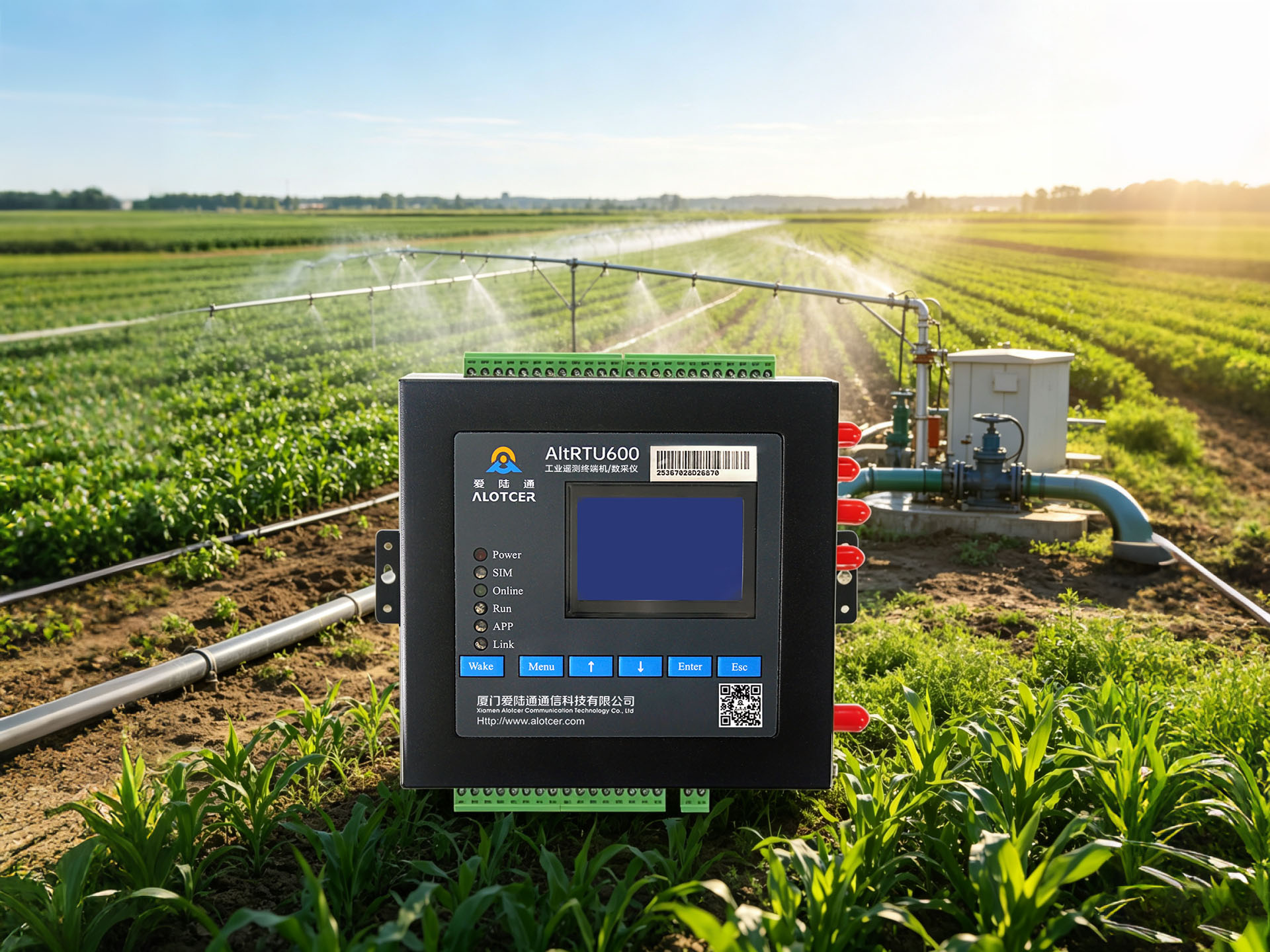
Out in the fields, soil moisture probes and weather stations talk NB-IoT. Farmers see exactly when crops need water or nutrients, rather than guessing. Yields go up, waste goes down.
NB-IoT’s reach and the gateway’s role open doors across these spaces. As the tech keeps maturing and new uses emerge, expect it to thread deeper into how we run cities, factories, and farms.