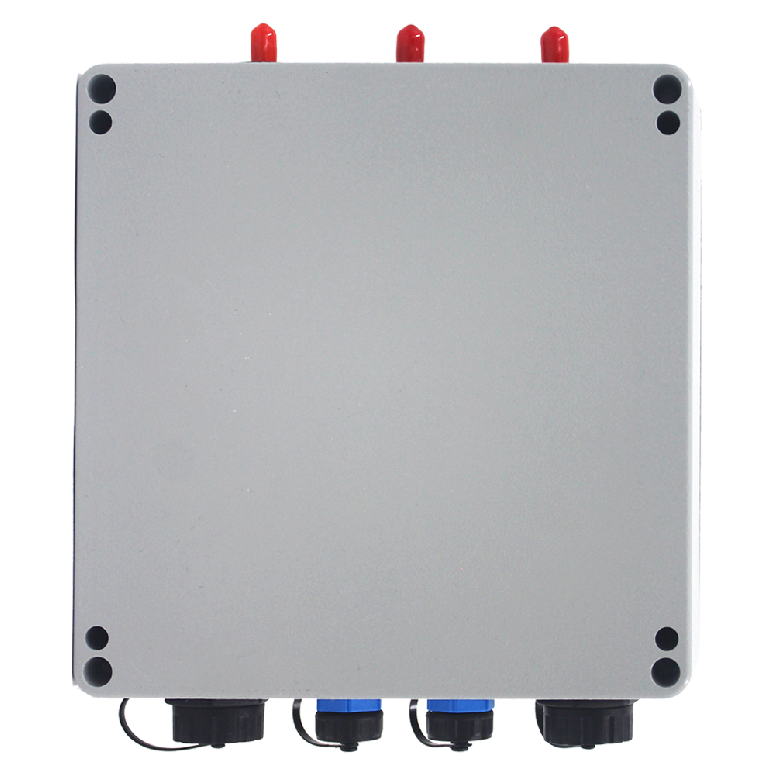
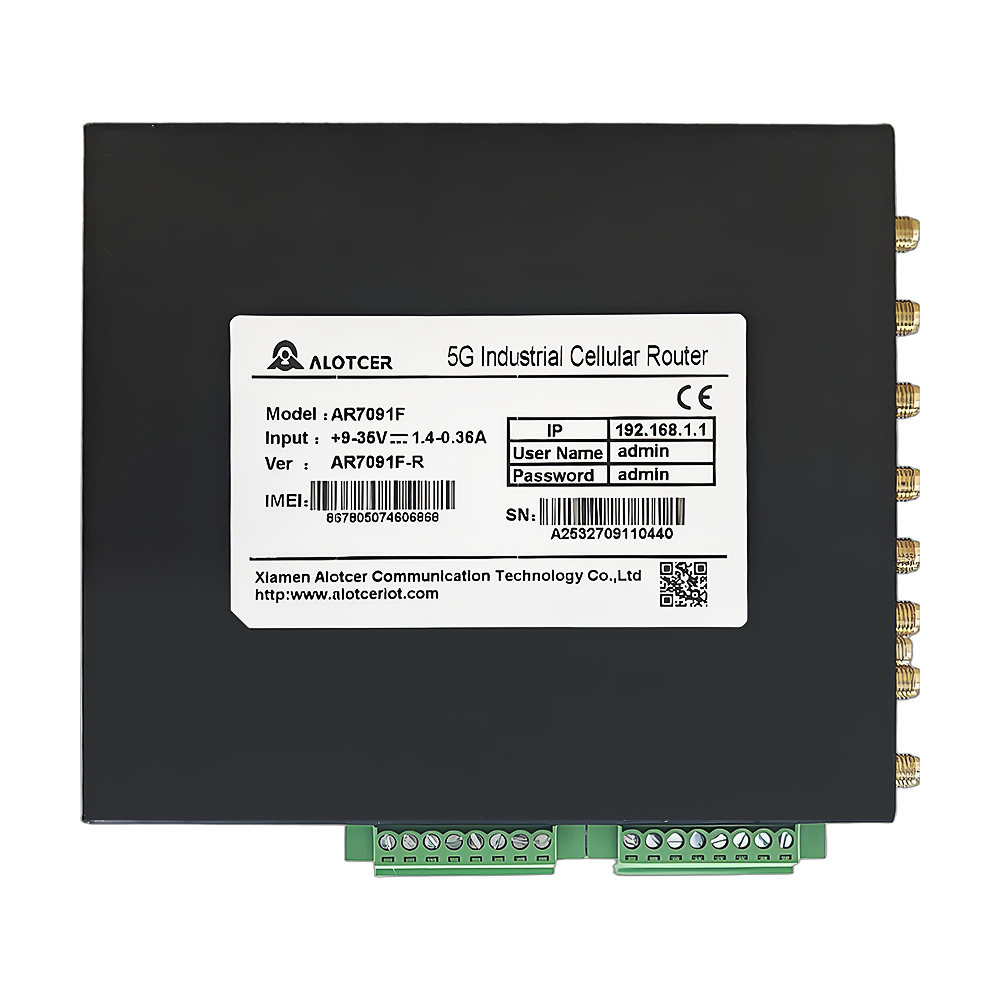
In today’s world where industrial automation and informatization are increasingly intertwined, industrial routers serve as the key nodes for interaction between the physical and digital worlds. Their importance cannot be overstated. The performance and configuration diversity of industrial routers not only profoundly impact the efficiency and quality of network transmission but also directly affect the smoothness of production processes and data security. However, faced with the vast array of industrial router products on the market, selecting a cost – effective device has become a pressing challenge for many enterprises.
I. Overview of Industrial Router Price Ranges

Similar to computers or smartphones, the prices of industrial routers fluctuate significantly due to differences in configuration. Based on market research data, the price range of industrial routers can be broadly divided into three tiers:
-
Entry – Level: Priced between 300 and 800 yuan, these routers primarily handle basic routing and firewall functions. They are suitable for lightweight application scenarios with relatively low network performance requirements, such as small – scale factories and offices.
-
Mid – Level: Priced between 800 and 2500 yuan, mid – level industrial routers offer significant performance improvements over entry – level products. They support a wider range of industrial – grade features and can meet the daily operational needs of small – and medium – sized industrial enterprises. Their powerful processing capabilities, rich network port configurations, and excellent stability make them a preferred choice for many businesses.
-
High – End: Priced between 2500 and 15000 yuan, these routers are highly configured. They not only possess professional features such as redundancy and security but also cater to critical application scenarios with extremely high network performance requirements, like large – scale factories and data centers. High – end industrial routers typically feature multi – core processors and memory configurations of over 1GB, ensuring efficient and stable data transmission.
II. Key Configuration Factors Affecting Price
The price differences among industrial routers mainly stem from their core configurations. Here is a detailed analysis of the main factors influencing price:
-
Processor and Memory: As the core components of a router, the performance of the processor and memory directly determines the overall performance and routing capabilities of the router. High – end industrial routers often employ powerful multi – core processors and are equipped with over 1GB of memory to ensure efficient and stable data transmission.
-
Number of Network Ports: Network ports serve as the link between the router and external devices. The more ports there are, the stronger the LAN connection capability provided, but the cost will also increase accordingly. Therefore, when selecting a router, it is necessary to determine the number of ports reasonably based on actual connection requirements.
-
Networking Options: Routers that support advanced networking options such as cellular cards and optical ports can offer more flexible and stable network connections, but their prices will also be higher. For application scenarios requiring remote monitoring or data transmission, these routers have significant advantages.
-
Industrial – Grade Design: Industrial routers need to adapt to complex and harsh working environments, such as high temperatures, humidity, and vibrations. Therefore, industrial – grade designs like shock resistance, dust – proofing, and temperature tolerance are one of the key factors affecting price. These designs not only extend the lifespan of the router but also ensure the stability of data transmission.
-
Security Protection: Routers that support network security features such as VPNs and firewalls can effectively safeguard the secure transmission of data. Although these features add to the price, they are indispensable for enterprises that need to protect sensitive data.
III. Customization Options for Industrial Routers
Tailored to different industries and application scenarios, industrial routers can also offer customized solutions. These customization options not only meet the special needs of enterprises but also enhance the applicability and cost – effectiveness of the routers.
-
Network Port Customization: Based on on – site cabling requirements, the number and type of RJ45 ports, as well as optical ports and SFP expansions, can be customized to adapt to diverse network environments.
-
Serial Port Customization: For scenarios requiring connections to on – site devices, the number of RS232/RS485 serial ports can be customized to achieve seamless connections between devices.
-
I/O Port Customization: Additional analog input and digital output control interfaces can be added, enabling the router to directly control on – site devices and implement automation control functions.
-
VPN Solution Customization: VPN transmission encryption schemes can be customized according to enterprise needs to ensure the security and privacy of data during transmission.
-
Industrial Protocol Customization: Specialized industrial protocols such as MODBUS and PROFIBUS can be implemented, allowing the router to communicate with devices from different brands and enhancing the system’s compatibility and interoperability.
-
Protection Level Customization: Based on the usage environment, international protection levels (such as IP67, IP68, etc.) can be customized to enhance the router’s ability to withstand harsh conditions.
-
Expansion Module Customization: Modules such as 4G, WiFi, and serial ports can be flexibly combined according to actual needs to create personalized router solutions.
-
Size Customization: DIN – rail mounting options are available to accommodate different cabinet sizes, facilitating device installation and maintenance for enterprises.
-
OPS System Customization: On the basis of the standard Linux system, performance optimization customization can be carried out to improve the router’s operating efficiency and stability.
-
Professional Technical Support: Custom development requires not only hardware support but also comprehensive software and technical support. Therefore, choosing a supplier that offers full – fledged technical support is crucial.