The Widespread Application of Industrial Routers
Industrial Automation:
In smart factories, industrial routers act like neurons in a neural network, closely connecting various sensors, programmable logic controllers (PLCs), and other devices on the production line, enabling real-time monitoring and precise control of the production process. This seamless connectivity not only enhances production efficiency but also significantly increases the flexibility and responsiveness of the production line, laying a solid foundation for intelligent manufacturing.
Internet of Things (IoT) Applications:
In the era of IoT, industrial routers are indispensable. From smart water meters, smart electricity meters to smart lighting systems, these devices connect to the cloud through industrial routers, achieving remote data collection, analysis, and optimization. This capability not only improves the efficiency of resource utilization and reduces operating costs but also provides city managers with unprecedented data insights, aiding in the construction and development of smart cities.
Smart Cities and Transportation:
In the construction of smart cities, industrial routers are responsible for collecting data from urban infrastructure such as air quality monitoring stations and traffic flow sensors, and providing scientific basis for city management through cloud analysis. In the field of intelligent transportation, they connect key devices such as road detectors and traffic cameras, enabling real-time monitoring and intelligent scheduling of traffic flow, effectively alleviating urban traffic congestion.
Smart Agriculture:
In the agricultural sector, industrial routers also play an important role. They upload real-time data from devices such as agricultural meteorological stations and soil testers to the cloud, providing farmers with precise monitoring of the field environment and crop health management services, promoting the intelligence and precision of agricultural production.
Gigabit Router Security
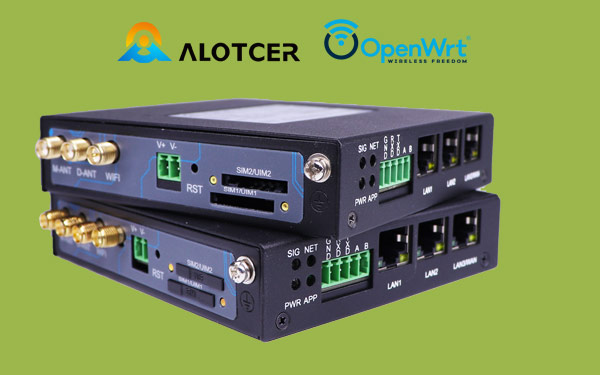
Although industrial routers play an important role in promoting social progress, there have always been doubts about whether the radio frequency (RF) radiation they emit is harmful to the human body. In fact, gigabit routers and other wireless networking devices do emit RF radiation, but the energy levels of this radiation are extremely low, far below the safety standards set by authoritative organizations such as the International Telecommunication Union (ITU) and the World Health Organization (WHO).
Scientific Evidence:
For many years, international health organizations such as WHO have conducted in-depth research on the safety of RF radiation. Research results show that although RF radiation may theoretically have certain biological effects on the human body, these effects are extremely weak in actual use scenarios and are not sufficient to pose a threat to human health. Therefore, existing scientific evidence does not support the view that RF radiation will cause health problems in the human body.
Safety Standards:
ITU and other international organizations have set strict RF radiation safety limits and have conducted strict testing and evaluation of various wireless networking devices. Gigabit routers on the market, including industrial routers, must pass relevant certifications before going on sale to ensure that their radiation levels are far below safety standards. This means that under normal use conditions, the impact of gigabit routers on human health is almost negligible.
Practical Application Steps of Industrial Routers in Intelligent Transportation

Taking intelligent transportation as an example, the deployment and application of industrial routers can be specifically divided into the following steps:
Equipment Installation: Firstly, choose a suitable location on transportation vehicles such as buses and taxis to install industrial routers and ensure their stable power supply.
Equipment Connection: Subsequently, connect the router with terminal devices inside the vehicle (such as tablet computers, smartphones), sensors (such as GPS locators, cameras), and other devices to build an in-vehicle local area network.
Network Configuration: Configure the router’s network parameters according to actual needs, such as IP address, subnet mask, gateway, etc., to ensure unobstructed communication between devices.
Cloud Access: By configuring the router, connect it to the cloud server to achieve real-time data upload and analysis. The cloud platform can not only remotely monitor the vehicle status but also provide optimization suggestions based on data analysis results.
Security Assurance: Finally, configure security policies such as firewalls and access control lists to ensure the security and privacy protection during data transmission.
Industrial routers, as the core infrastructure of the intelligent era, are leading the digital transformation of various industries with their excellent performance and wide range of application scenarios. At the same time, regarding the concerns about the radiation safety of gigabit routers, based on existing scientific evidence and international safety standards, we can use these devices with confidence, enjoying the convenience and efficiency brought by technology.