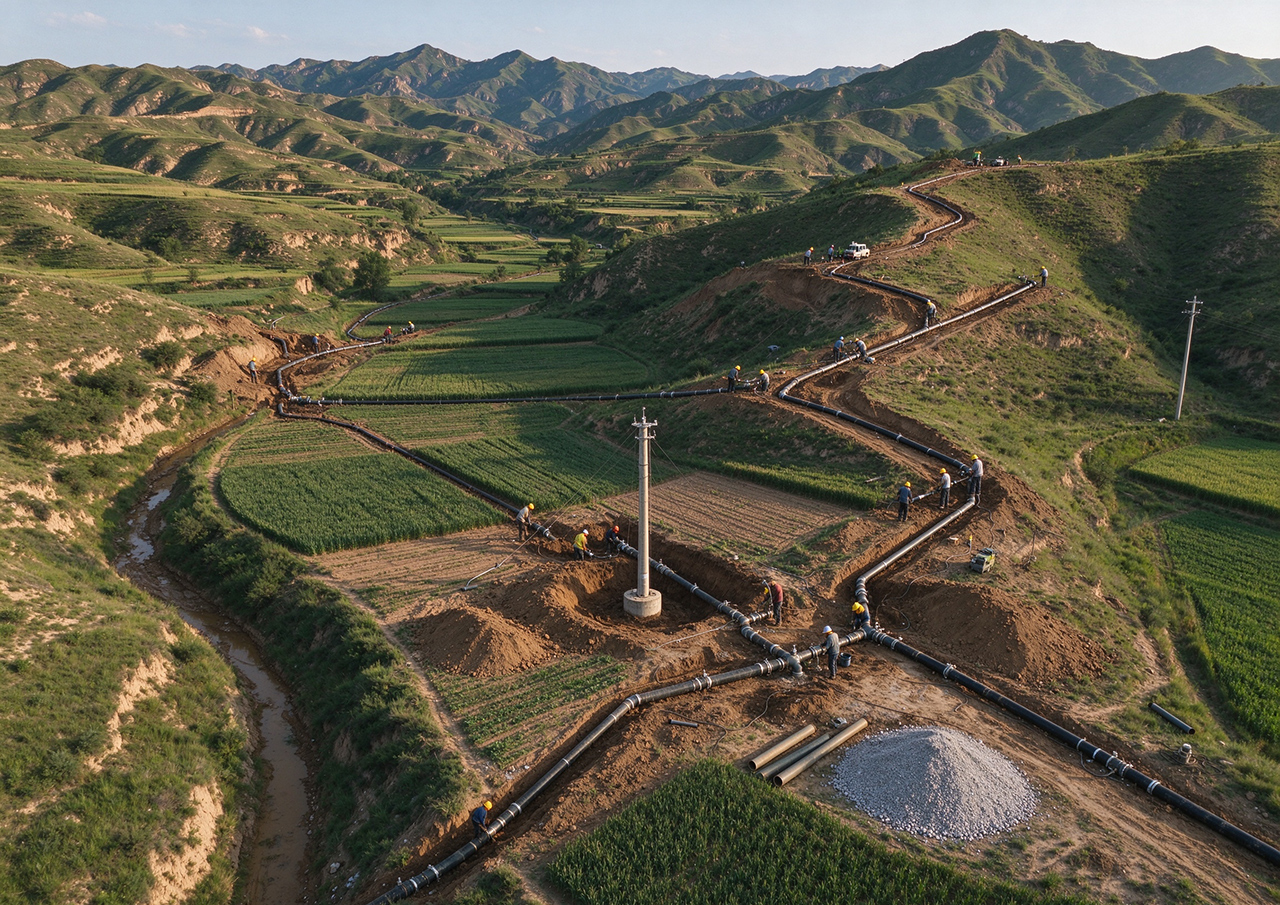
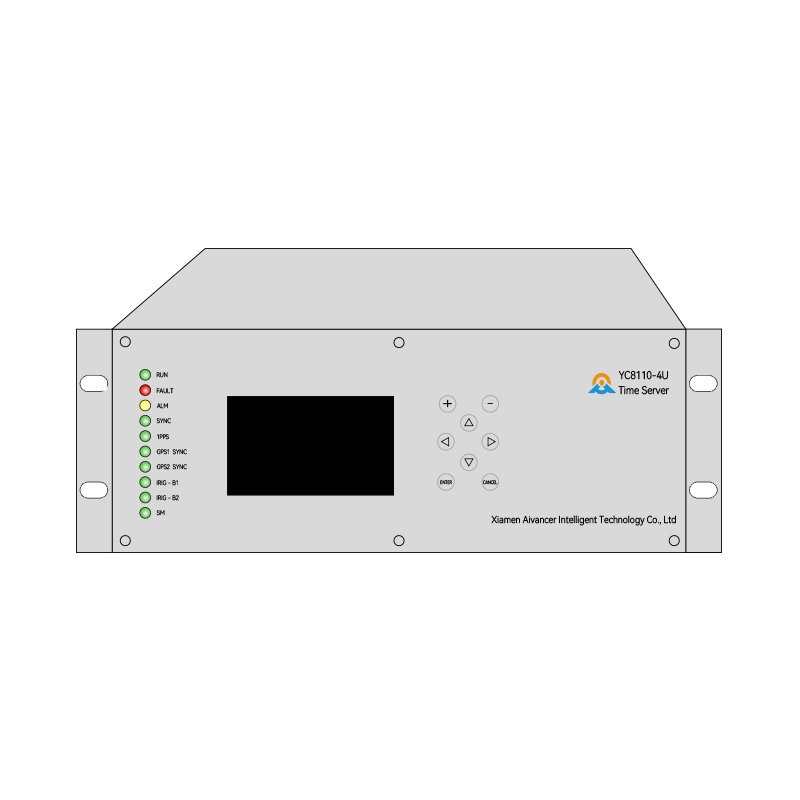
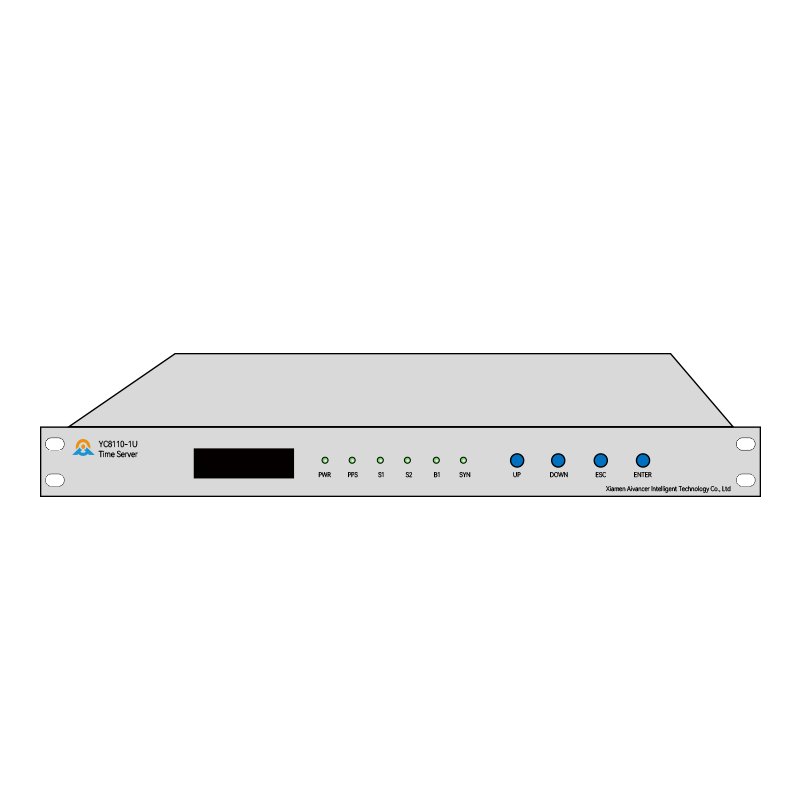
In digital transformation projects for water supply pipeline networks, many water utilities face a common challenge: pressure transmitters, electromagnetic flowmeters, water level gauges and other sensors installed in earlier years are still functional, yet their supporting legacy terminal devices have aged and cannot connect to new smart water platforms. If all in-service sensors are replaced merely to enable platform connection, it will incur substantial unnecessary equipment procurement costs. It also requires extensive road excavation and water shutdown for connection work, slowing down overall project delivery. Rapid retrofit and access of pipeline monitoring points without replacing existing sensors is becoming the preferred option for a growing number of water network renovation projects.
Hidden Pain Points of Conventional Retrofit Models
The access strategy adopted in many past projects was full-scale replacement. Whenever legacy terminals failed to adapt to new platforms, front-end sensors were replaced together. The hidden costs of this approach often exceed expectations.
- Many sensors installed in underground manholes were fitted with waterproof sealing and pre-buried cables during installation. Replacing equipment means re-opening manholes and re-routing wiring. On-site work for a single point extends from several hours to one or two days. Large-scale renovation will notably disrupt normal water supply for residents.
- A large number of sensors still within their service life are prematurely decommissioned, wasting equipment assets and generating massive electronic waste, which runs counter to the green renovation trend in the water industry.
- Cumulative costs including procurement, construction and old equipment disposal under full replacement schemes are typically 2 to 3 times higher than solutions that only replace terminals, greatly increasing budget pressure for many county-level projects.
Core Implementation Logic of Reusing Existing Sensors for Access
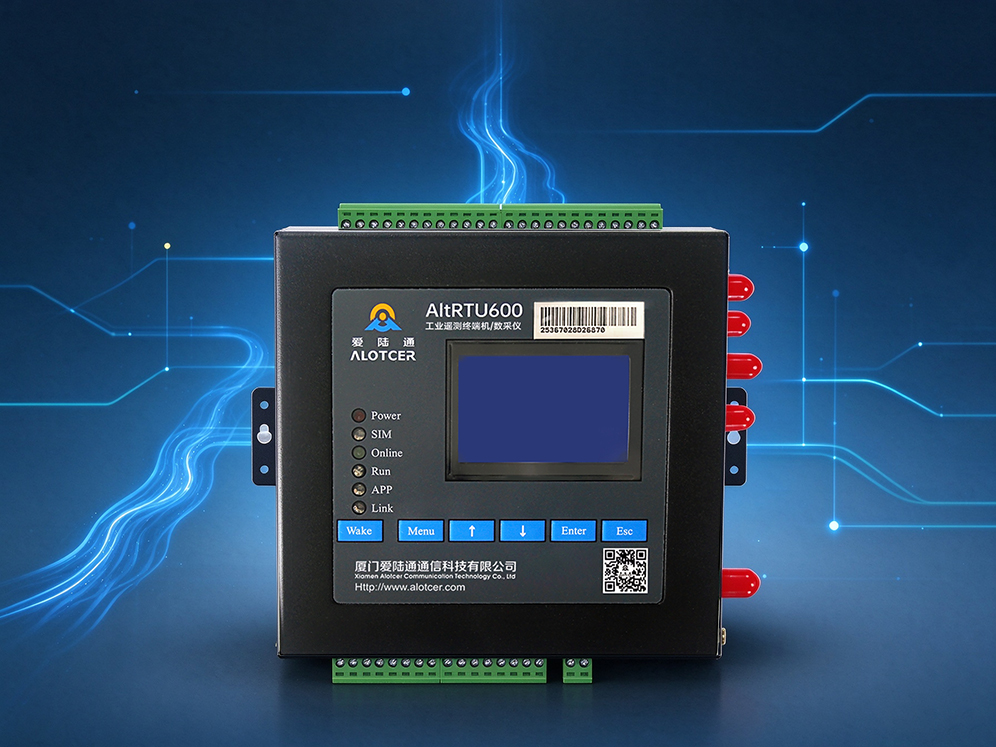
Enabling access without sensor replacement hinges on resolving two key challenges: signal compatibility and protocol interconnection. No modification to front-end monitoring hardware is required. Adaptation design on the terminal side allows complete acquisition, parsing and upload of output signals from original sensors to the new platform. Alotcer fully considered such stock renovation scenarios at the product design stage. Take AltRTU600S as an example: the device comes with multi-channel RS485 ports, analog input ports and pulse acquisition ports, covering nearly all signal types output by most pipeline sensors currently in use on the market. No changes to original sensors are needed during access. Simply connect the output cables of existing sensors to the corresponding ports on the new terminal, then select the matching sensor model and protocol on the configuration interface to complete signal identification and parsing. This access method skips complicated procedures such as sensor replacement, pipeline excavation and recalibration. On-site commissioning for a single point can be reduced to dozens of minutes, drastically lowering construction impacts on normal pipeline operation.
Key Considerations During Retrofit
Several details must be strictly controlled to ensure long-term stable operation of devices using reused sensor access. First, sort out the inventory of existing equipment in advance. Document the signal type, communication protocol and measuring range of all active sensors. Pre-configure terminals on the backend ahead of time to avoid delays from ad-hoc on-site debugging. Second, implement waterproofing and surge protection for interfaces. Underground manholes feature high humidity and complex electromagnetic environments. Secondary waterproof sealing must be applied to wiring terminals after cabling to prevent signal outages caused by damp circuits. Lastly, conduct 24-hour continuous data comparison after access. Cross-verify readings collected by the new terminal against on-site values displayed on original sensors to guarantee data accuracy and avoid the issue of “connected equipment with inaccurate readings”.
Long-Term O&M Benefits After Retrofit
After completing reuse-based access, water utilities can rapidly migrate data from legacy monitoring points to new platforms while gaining extra capabilities brought by the new terminals. Built-in local data caching and resume transmission after network interruption resolve the historical problem of data loss once legacy terminals lose network connectivity. Multi-protocol compatibility means terminals do not need replacement during future platform upgrades; adaptation can be achieved merely by remotely adjusting configuration parameters, further extending the lifecycle of the entire monitoring system. This access philosophy of minimal modification for maximum benefits preserves the prior investment of water utilities and makes the implementation schedule of water supply pipeline digital transformation more flexible and controllable.