I. Introduction
In critical moments, every second counts, especially when it comes to emergency medical care. Traditionally, patients are transported to hospitals for tests, with delays caused by travel times and logistical processes. But what if the hospital could come to the patient instead? With the advancements in 5G technology and IoT in healthcare, this is no longer a distant dream. Enter the AR7091 Industrial IoT Gateway, a game-changing device that transforms how emergency care is delivered.
The AR7091 enables real-time data transmission through 5G, which supports multiple devices, high-definition video, and stable networks inside a moving ambulance. This means medical professionals can access vital patient data remotely, saving precious minutes. The result? Reduced wait times, faster diagnosis, and a more efficient healthcare system. The AR7091’s robust security and cloud management capabilities enhance the overall patient experience, all while ensuring patient privacy is maintained.
As we dive deeper into this 5G medical vehicle networking solution, we’ll explore how the AR7091 revolutionizes emergency care by eliminating unnecessary delays and enhancing communication between paramedics and hospitals.
II. Background
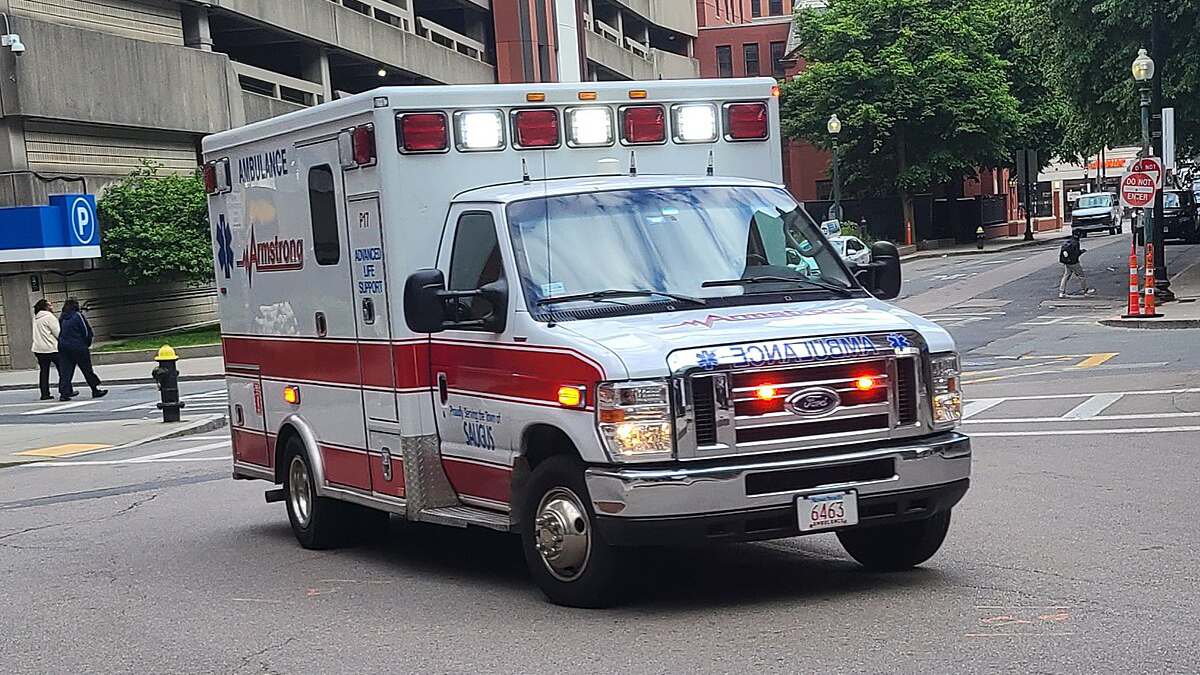
In emergency medical situations, patients are often rushed to hospitals where diagnostic tests—such as blood work, electrocardiograms (ECGs), and ultrasounds—are performed. However, during transport, critical minutes are lost waiting for the ambulance to reach the hospital. In the past, medical teams were limited in what they could achieve en route, unable to transmit real-time data that would allow for quicker decision-making. This time lag has long been a problem, contributing to treatment delays, particularly in remote areas where access to advanced medical care can be hours away.
Recent advancements in 5G have opened up new opportunities for telemedicine and remote patient monitoring. With high-speed networks capable of handling large amounts of data in real time, ambulances can become mobile diagnostic labs. The AR7091 Industrial IoT Gateway empowers ambulances to transmit patient data directly to hospital systems, enabling real-time consultations with specialists. From 5G medical vehicle networking for remote areas to enhancing care in urban settings, the AR7091 is poised to revolutionize emergency response.
The key challenge has been ensuring stable network performance while in transit, securely transmitting sensitive data, and supporting the simultaneous connection of multiple medical devices. This is where the AR7091 excels—providing high-speed, reliable connectivity on the move, allowing medical professionals to focus on patient care rather than technical limitations.
III. Customer Requirements
The demand for a 5G medical vehicle networking solution stems from specific operational needs in the healthcare industry. To meet these needs, any solution must fulfill the following critical requirements:
IV. Solution

The AR7091 Industrial IoT Gateway is designed to meet all the above requirements, offering a cutting-edge solution for 5G medical vehicle networking. It connects medical devices on the ambulance through either wired or Wi-Fi connections, instantly transmitting vital test data—including blood tests, electrocardiograms, and ultrasounds—to hospital systems in real-time.
Data transmission occurs at millisecond speeds through the high-speed 5G network, ensuring minimal latency. This allows hospital experts to perform synchronous consultations, enabling them to quickly form rescue plans or make preoperative preparations before the patient even arrives. This level of integration eliminates wait times in the emergency department, giving patients a better chance at recovery.
To ensure the security of these data transmissions, the AR7091 supports various VPN protocols, safeguarding patient privacy while adhering to 5G medical vehicle networking standards. With encryption and secure authentication, medical data remains protected, ensuring compliance with strict healthcare regulations such as HIPAA.
V. Benefits
The benefits of the AR7091 in a 5G medical vehicle networking context are numerous, addressing the core requirements of the modern healthcare system while offering several advanced features:
VI. AR7091 Specifications
The technical specifications of the AR7091 make it a powerful and versatile solution for 5G medical vehicle networking:
- 5G/4G Support: High-speed cellular network with backward compatibility.
- Gigabit Port: Allows for faster data transmission.
- RS232/ RS485 Ports: Provides flexible connectivity options for various medical devices.
- C/ Python 3.4: Programming capabilities for custom integrations.
- Modbus/ MQTT/ 101/ 104 Protocols: Supports various communication protocols for IoT medical devices.
- DIN Rail/ Mount Kit: Easy installation in a moving vehicle.
- Dual SIM Cards: Ensures uninterrupted network access through redundant connections.
- Operating Temperature: Withstands extreme environments (-35ºC to +75ºC).

VII. Conclusion
The AR7091 Industrial IoT Gateway is a groundbreaking solution for 5G medical vehicle networking, bringing hospitals and medical expertise directly to patients during critical moments. Its ability to securely transmit real-time data, while providing a stable, high-speed connection, makes it an invaluable tool in the fight to save lives. By integrating this technology, medical teams can make informed decisions faster, reduce emergency department wait times, and ultimately improve patient outcomes.
FAQs
What is a smart 5G medical vehicle networking solution?
It’s an advanced system that leverages 5G technology to enable real-time data transmission and communication between an ambulance and a hospital, enhancing emergency response.
How does 5G improve medical vehicle networking?
5G improves network speed, stability, and the ability to transmit large amounts of data quickly, which is crucial for real-time diagnostics and remote consultations during patient transport.
What are the benefits of using 5G for medical vehicles?
The benefits include faster diagnosis, real-time remote consultations, high-definition video transmission, and the ability to connect multiple medical devices simultaneously.
What are the challenges of implementing 5G medical vehicle networking?
Implementing 5G medical vehicle networking comes with a few challenges. First, there’s the need for infrastructure investment to support high-speed 5G networks, particularly in remote or underserved areas. Second, ensuring consistent network coverage while ambulances are in motion can be tricky, especially in regions where 5G is not yet fully deployed. Third, integrating IoT medical devices into a seamless network, while maintaining data privacy and security in compliance with healthcare regulations like HIPAA, adds complexity. Additionally, the cost of outfitting ambulances with 5G-enabled devices may be a concern for some healthcare providers.
How can 5G medical vehicle networking improve patient care?
5G medical vehicle networking improves patient care by enabling real-time data transmission from ambulances to hospitals. This technology allows paramedics to send crucial diagnostic data—such as ECGs, blood test results, and ultrasound images—to hospital staff while still en route. This enables remote specialists to provide guidance, make informed decisions, and prepare for necessary medical interventions before the patient even arrives. The result is reduced treatment delays, improved coordination, and better patient outcomes, especially in critical care situations.