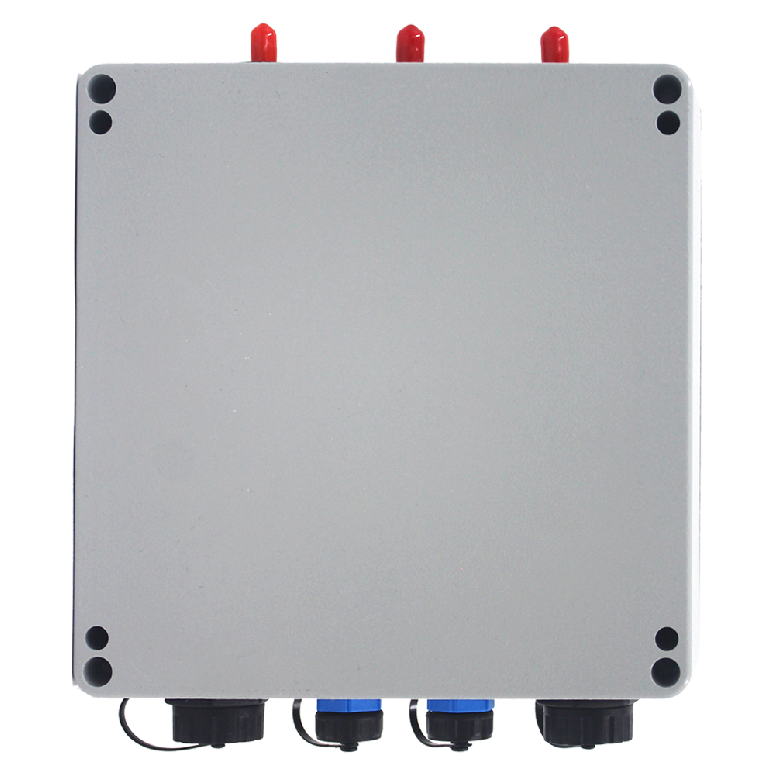
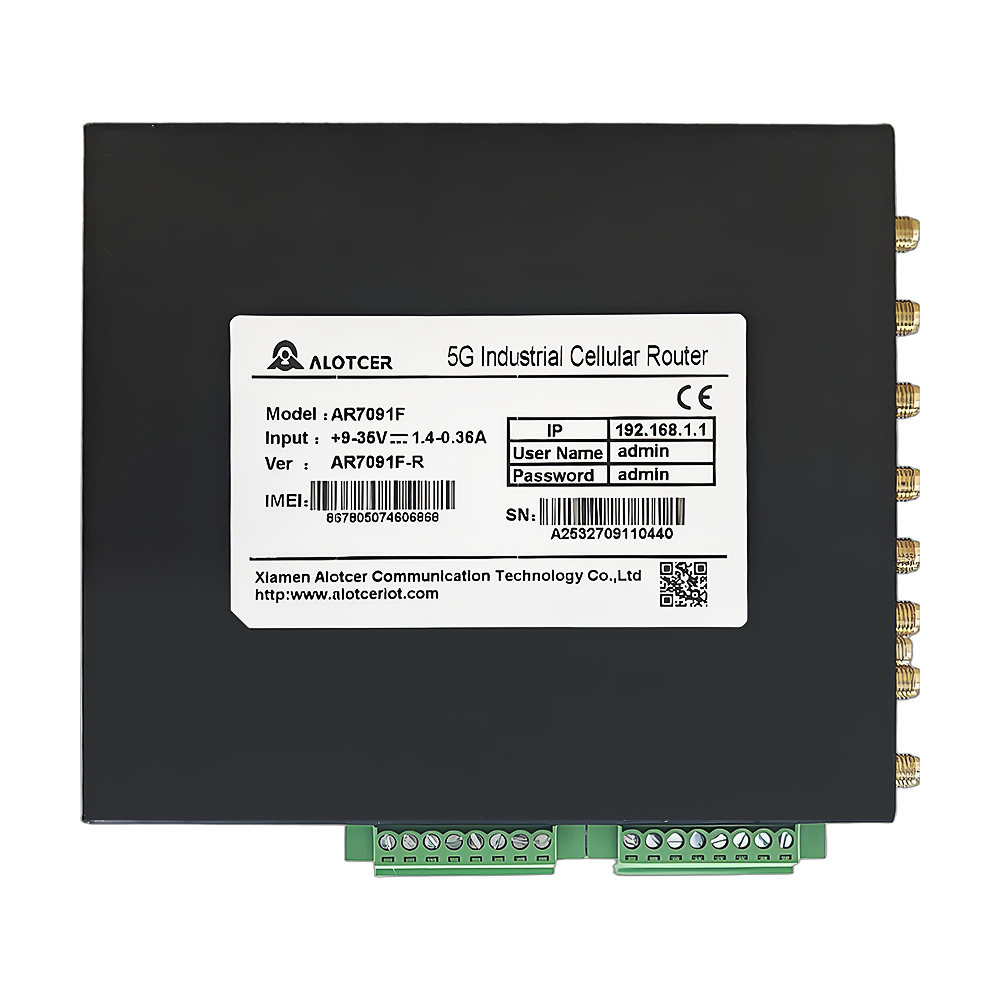
In today’s interconnected industrial landscape, security and efficiency are paramount. That’s where VPN routers in Programmable Logic Controller (PLC) applications come into play. But what exactly is a VPN router, and how does it benefit PLC systems? Let’s dive in and explore this fascinating intersection of networking and industrial automation.
Understanding VPN Routers
Definition of a VPN Router
Picture this: you’re trying to send a top-secret message across a crowded room. A VPN router is like your personal bodyguard, ensuring your message reaches its destination without prying eyes intercepting it. In technical terms, a VPN (Virtual Private Network) router is a networking device that creates a secure, encrypted connection over a public network, such as the internet.
Key Components of a VPN Router
VPN routers aren’t your average, run-of-the-mill networking equipment. They’re equipped with special features that set them apart:
- Encryption protocols
- Firewall capabilities
- Multiple VPN client support
- Advanced routing features
These components work together to create a fortress around your data, keeping it safe from digital marauders.
Basics of PLC Applications
What is a PLC?
Before we jump into the deep end, let’s get our feet wet with PLCs. A Programmable Logic Controller, or PLC, is the brain behind many automated industrial processes. It’s a rugged computer system designed to control machinery and production lines in various industries.
Common PLC Applications in Industry
PLCs are the unsung heroes of the industrial world. You’ll find them hard at work in:
- Manufacturing plants
- Oil and gas facilities
- Water treatment plants
- Energy distribution systems
They’re the conductors orchestrating the symphony of modern industry.
The Role of VPN Routers in PLC Applications
Secure Remote Access
Imagine being able to troubleshoot a factory floor issue from your living room couch. That’s the power of VPN routers in PLC applications. They provide a secure tunnel for remote access, allowing engineers and technicians to monitor and control PLCs from anywhere in the world.
Data Encryption
In the world of industrial automation, data is gold. VPN routers act as a digital vault, encrypting sensitive information as it travels between PLCs and control systems. This encryption is like a secret code that only authorized parties can decipher.
Network Segmentation
VPN routers are also master organizers. They can divide a network into segments, isolating critical PLC systems from less secure areas of the network. It’s like creating a VIP section in a club – only the most important (and secure) data gets access.
Benefits of Using VPN Routers in PLC Systems
Enhanced Security
In an age where cyber threats loom large, VPN routers are the knights in shining armor for PLC applications. They provide a robust defense against unauthorized access and data breaches, keeping your industrial processes safe from digital invaders.
Improved Efficiency
Time is money, especially in industrial settings. VPN routers streamline operations by enabling quick and secure remote access. This means faster troubleshooting, reduced downtime, and increased productivity. It’s like having a teleportation device for your engineering team!
Cost Savings
While the initial investment in VPN routers might make your accountant raise an eyebrow, the long-term savings are substantial. Reduced travel costs for on-site maintenance, minimized downtime, and enhanced productivity all contribute to a healthier bottom line.
Implementation Challenges and Solutions
Compatibility Issues
Not all PLCs play nice with VPN routers right out of the box. It’s like trying to fit a square peg in a round hole. The solution? Careful planning and selection of compatible hardware and software. Sometimes, middleware or protocol converters might be necessary to bridge the gap.
Performance Concerns
There’s a common worry that VPNs might slow down communication with PLCs. While this can be true in some cases, modern VPN routers are designed to minimize latency. Proper configuration and choosing a router with sufficient processing power can help maintain speedy connections.
Maintenance and Updates
Like any technology, VPN routers need regular TLC (Tender Loving Care). Keeping firmware updated and security patches current is crucial. Implementing an automated update system can help ensure your VPN router doesn’t become the weak link in your security chain.
Best Practices for VPN Router Setup in PLC Applications
Choosing the Right VPN Router
Selecting a VPN router for PLC applications is like choosing the right tool for a job. Consider factors such as:
- Supported VPN protocols
- Number of simultaneous connections
- Throughput capacity
- Industrial-grade hardware for harsh environments
Remember, the cheapest option isn’t always the best. Invest in quality to avoid headaches down the road.
Configuration Tips
Setting up a VPN router for PLC applications requires a delicate touch. Here are some pro tips:
- Use strong, unique passwords for all access points
- Enable two-factor authentication where possible
- Configure firewalls to allow only necessary traffic
- Regularly review and update access control lists
Think of it as building a digital fortress – every configuration choice adds another layer of protection.
Regular Security Audits
Don’t set it and forget it! Regular security audits are crucial to maintaining a robust VPN setup for your PLC applications. These audits can uncover potential vulnerabilities before they become problems. It’s like giving your digital security a health check-up.
Future Trends in VPN Router Technology for PLCs
Integration with IoT
The Internet of Things (IoT) is knocking on the door of industrial automation. Future VPN routers will likely feature enhanced capabilities to securely connect and manage a multitude of IoT devices in PLC environments. Imagine a world where every sensor, actuator, and controller is securely accessible from anywhere!
AI-driven Security Enhancements
Artificial Intelligence is set to revolutionize VPN security in PLC applications. We’re talking about routers that can predict and prevent security threats before they happen. It’s like having a digital crystal ball that keeps your industrial network safe.
Conclusion
VPN routers in PLC applications are more than just a tech buzzword – they’re a game-changer for industrial automation. By providing secure remote access, robust data encryption, and improved operational efficiency, they’re paving the way for a more connected and secure industrial future. As we’ve seen, implementing VPN routers in PLC systems comes with its challenges, but the benefits far outweigh the hurdles.
As technology continues to evolve, so too will the capabilities of VPN routers in industrial settings. The integration of IoT and AI promises to take security and efficiency to new heights. For industries relying on PLCs, embracing VPN router technology isn’t just an option – it’s a necessity for staying competitive and secure in an increasingly digital world.
Remember, in the realm of industrial automation, a well-implemented VPN router isn’t just a shield – it’s a bridge to the future of smart, secure, and efficient operations.
FAQs
- Can VPN routers work with older PLC systems? Yes, VPN routers can often be integrated with older PLC systems, though it may require additional configuration or middleware solutions. It’s best to consult with a networking professional to ensure compatibility.
- How does a VPN router differ from a standard industrial router? While both handle data routing, VPN routers add an extra layer of security through data encryption and secure tunneling. They also typically offer more advanced remote access features tailored for industrial applications.
- Are there any industry regulations regarding the use of VPNs in PLC applications? Regulations vary by industry and region, but many standards (such as IEC 62443 for industrial control systems) recommend or require secure remote access solutions like VPNs. Always check your specific industry guidelines.
- Can using a VPN router slow down PLC operations? While VPNs can introduce some latency, modern VPN routers designed for industrial use typically have minimal impact on performance. Proper configuration and choosing a router with sufficient processing power can help maintain optimal speeds.
- Is it possible to use cloud-based VPN solutions for PLC applications? Yes, cloud-based VPN solutions are becoming increasingly popular for PLC applications. They offer scalability and ease of management, but it’s crucial to ensure they meet your specific security and performance requirements.