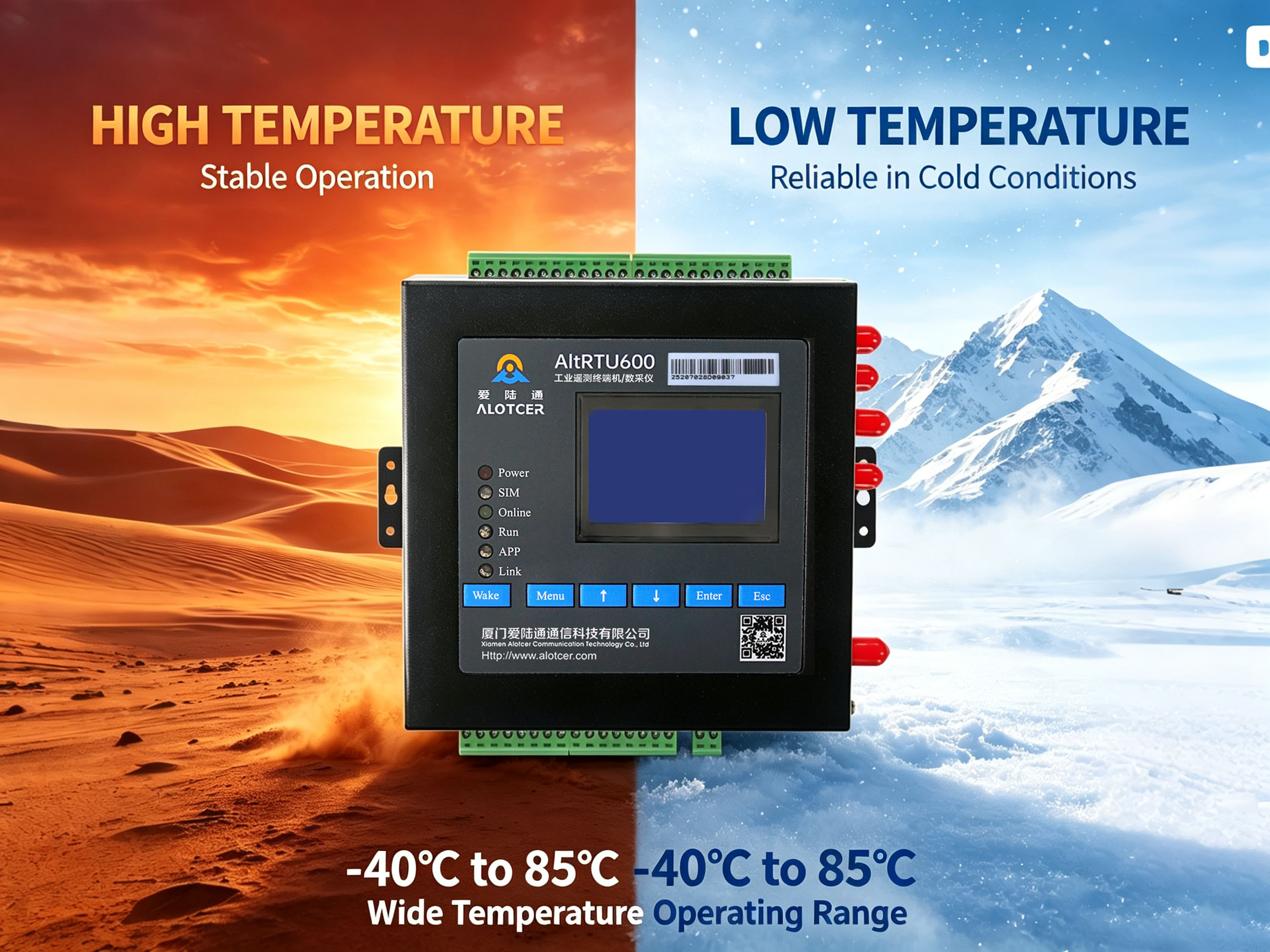
Let’s first address a common question: are high industrial router prices simply an “IQ tax”? Industrial routers are significantly more expensive than consumer-grade routers, but this premium is fully justified. Consumer routers are designed for home environments with relatively simple, stable network requirements. Industrial routers, by contrast, are engineered for demanding scenarios such as factory floors, outdoor installations, remote monitoring stations, and critical infrastructure deployments. Industrial environments present far greater challenges than residential settings—including electromagnetic interference, extreme temperatures, humidity, dust, vibration, and unstable power supplies. Industrial routers must maintain reliable operation under these harsh conditions while supporting specialized industrial networking protocols and real-time data transmission requirements. The higher cost reflects genuine engineering investments in ruggedized hardware, extended temperature components, robust EMI shielding, industrial-grade power regulation, and long-term reliability testing—not an arbitrary markup.
So how should you evaluate and select an industrial router? Here are five essential technical criteria to guide your decision. Focus on these verifiable hardware specifications rather than brand marketing, and you will substantially reduce the risk of purchasing an unsuitable device.

1. 5G Dual-SIM Dual-Standby with NSA/SA Dual-Mode and Full Carrier Compatibility
As 5G networks continue expanding across industrial applications, your router should support 5G NSA (Non-Standalone) and SA (Standalone) dual-mode operation. This ensures seamless compatibility with different stages of 5G network infrastructure deployment. Equally important is dual-SIM capability with full compatibility across all major regional carriers. This flexibility eliminates network dependency—regardless of which carrier provides the strongest local signal or which SIM card you have available, the router maintains reliable connectivity. For industrial deployments in remote or mobile environments, this carrier-agnostic approach prevents costly downtime due to single-network limitations.
2. RS485 and RS232 Serial Ports—Both Are Non-Negotiable
Serial communication remains fundamental in industrial automation. PLCs, RTUs, sensors, meters, and legacy controllers predominantly use RS485 (for multi-drop, long-distance communication) and RS232 (for point-to-point device connections) for data exchange. An industrial router equipped with both ports serves as a critical bridge between these field devices and IP-based networks, enabling remote data acquisition, SCADA integration, and centralized monitoring. A router missing either port creates integration gaps that can render entire device categories inaccessible, severely limiting deployment flexibility. Verify that both ports are present and properly isolated before purchasing.
3. Wide Voltage Input Range and Minimum IP30 Protection Rating
Industrial power infrastructure often experiences voltage fluctuations, brownouts, and transient spikes that would damage standard electronics. A wide voltage input design—typically accepting 9–36VDC or similar ranges—ensures continuous operation across unstable power conditions without external regulators. Environmental protection is equally critical. The IP30 rating (per IEC 60529) certifies protection against solid objects exceeding 2.5mm in diameter, sufficient for workshop and light outdoor environments where dust and particulate contamination are concerns. For harsher outdoor exposure, consider IP40 or higher. This combination of electrical resilience and physical protection enables reliable deployment across diverse industrial settings without additional enclosures.
4. Hardware Watchdog and Persistent Connection Management
Continuous industrial operation demands autonomous fault recovery. A hardware watchdog timer monitors the router’s operational state and automatically triggers a controlled reboot if the system becomes unresponsive—eliminating the need for manual intervention at remote sites. Complementing this, advanced anti-drop mechanisms maintain cellular or WAN connectivity through intelligent keep-alive signaling, automatic re-registration, and seamless failover between primary and backup links. Together, these features ensure that critical data streams from machinery, sensors, and control systems remain uninterrupted, directly supporting production continuity and operational uptime metrics.
5. Remote Telemetry Platform Integration and WiFi 6 Connectivity
Modern industrial maintenance relies on centralized visibility. Built-in support for cloud-based remote telemetry enables administrators to monitor device health, update configurations, deploy firmware, and diagnose issues from any location—dramatically reducing truck rolls and mean-time-to-repair. On the local wireless side, WiFi 6 (802.11ax) delivers tangible improvements over previous generations: higher throughput, lower latency under congestion, improved battery efficiency for connected devices, and significantly greater concurrent client capacity. In industrial environments where dozens or hundreds of wireless sensors, tablets, and mobile equipment require simultaneous access, WiFi 6 ensures stable performance without the bandwidth contention that degrades older standards.
By systematically evaluating industrial routers against these five technical benchmarks—cellular flexibility, serial connectivity, environmental resilience, autonomous reliability, and modern management capabilities—you can make an informed procurement decision aligned with your operational requirements rather than marketing narratives.