I. Introduction
The oil and gas industry is renowned for its technical complexity and the sheer size of operations. Oil wells and fields often cover vast expanses, from remote desert landscapes to offshore platforms. Keeping a constant eye on equipment and environmental conditions in these areas has traditionally been a huge challenge, but with the advent of remote monitoring technology, oil and gas companies now have the tools to monitor and control these operations in real-time. This Oil Well Remote Monitor system, supported by cutting-edge IoT and wireless technology, promises unprecedented control, efficiency, and safety.
Imagine being able to monitor the temperature, pressure, and voltage of a distant oil well instantly. Or think about reducing the risk of costly human errors by automating routine monitoring tasks. With Alotcer’s Oil Well Remote Monitoring Solution, these capabilities are no longer futuristic ideas but present-day realities. This solution is purpose-built to address the specific needs of the oil and gas industry, offering benefits like real-time data collection, wireless remote access, and automated alerts, making it an ideal choice for managing oil wells scattered across challenging terrains.
II. Background and Challenges
Oil fields are among the most demanding environments, presenting unique challenges to operators and engineers. Not only are these locations often spread across vast geographical areas, but they also operate under extreme conditions, including temperature fluctuations, harsh weather, and potential exposure to corrosive materials. These conditions contribute to the complexity of monitoring and maintaining oil wells effectively, especially as errors and unexpected breakdowns can directly impact output and profitability.
Traditional methods of monitoring oil wells required regular onsite inspections, which can be time-consuming, costly, and risky. Not to mention, there’s the ever-present risk of human error in data collection or maintenance. Equipment failure, system downtime, and even environmental hazards can halt production and lead to substantial financial losses. Furthermore, as global demand for oil and gas remains high, the industry faces pressure to maximize output while minimizing environmental impact, energy consumption, and safety risks.
Modern technology offers a solution. By integrating IoT-enabled devices and remote monitoring technology, companies can achieve 24/7 oversight of critical parameters and automate many monitoring tasks. The Alotcer AD7028D Series wireless monitor and control system, for instance, utilizes a combination of 5G/4G/3G/CDMA/GPRS networks to provide continuous data transmission and real-time control, addressing the industry’s most pressing challenges.
III. System Requirements
An effective oil well remote monitoring system requires specific capabilities tailored to the demanding conditions of oil fields. Alotcer’s solution combines wireless connectivity, intelligent data processing, and automation technology to meet these needs. The essential components of this system include a data collection system, a data transmission system, and a data center for processing and control.
A. Data Collection System
The data collection system is designed to gather critical operational metrics, including pressure, voltage, temperature, and flow rates. Equipped with advanced sensors, this system continuously monitors these variables, ensuring accurate and timely data collection.
B. Data Transmission System
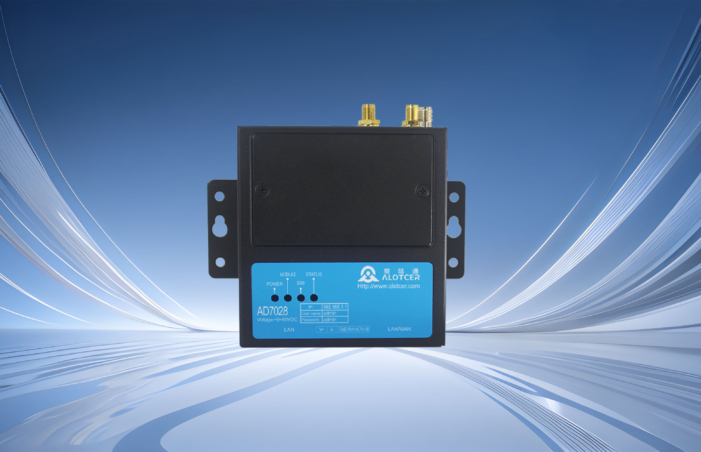
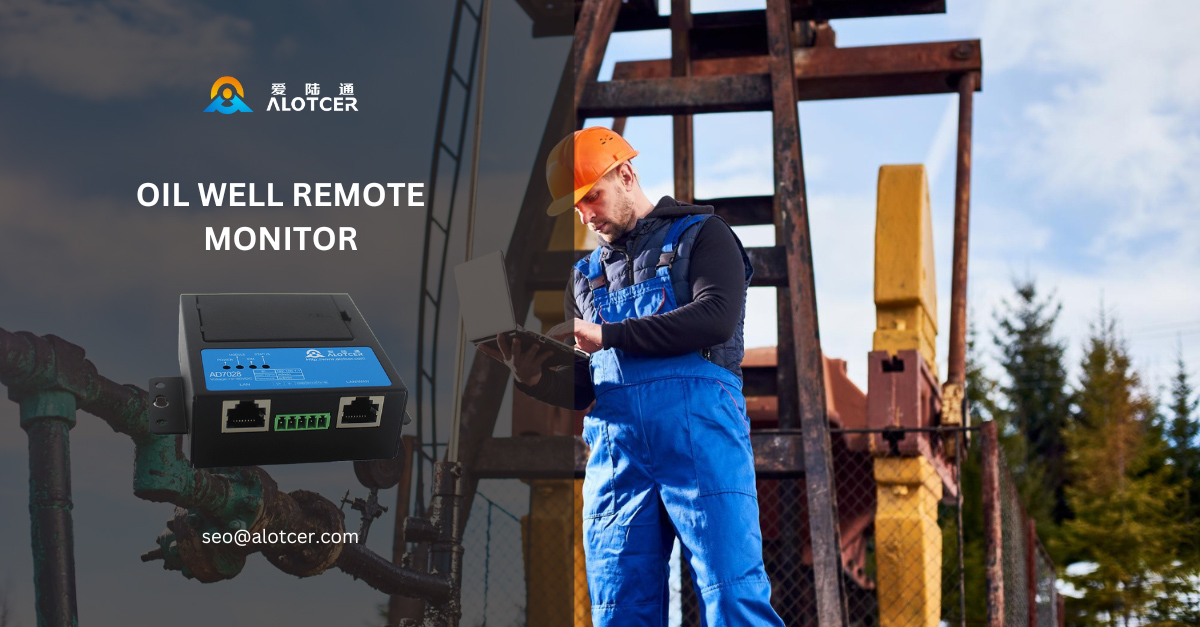
The Alotcer AD7028D Industrial Cellular Mobile Router 2 LAN 1 RS232 plays a crucial role in transmitting this data to a central system via cellular networks. This component uses multiple network protocols like 5G, 4G, 3G, and others to support flexible connectivity across various regions, ensuring that even the most remote oil fields are connected to a central hub.
C. Data Center
The data center acts as the central processing unit, storing data, analyzing trends, and providing remote control capabilities. This system enables operators to make informed decisions and respond quickly to any abnormal activity in the oil wells, allowing for remote adjustments and minimizing the need for physical interventions.
IV. Solution
The Alotcer Oil Well Remote Monitoring Solution combines cutting-edge wireless and IoT technologies to provide a seamless, real-time monitoring and control system. The solution is designed to integrate with existing oil field infrastructure, providing continuous updates and automated alerts through cellular networks.
Using wireless sensors strategically placed around the oil field, data is continuously captured and transmitted to the data center. The Alotcer AD7028D Industrial 2 LAN Router is the key communication hub, using dual LAN ports and multiple protocols like MQTT, ModBus TCP, and OPC UA to ensure flexible and reliable data transfer. Once collected, the data is processed, analyzed, and stored in the cloud, giving management a bird’s-eye view of operations from any location.
V. Benefits
1. Automatic Data Monitoring and Display
Alotcer’s system provides automatic monitoring and visualization of key data points, including current, voltage, and temperature. By eliminating manual checks, companies save time and reduce errors, while data is updated in real-time on dashboards that make it easy to detect abnormal readings.
2. Wireless Remote Monitoring and Automation
Wireless connectivity enables remote monitoring, even in areas that are difficult to access. This setup offers cost-saving advantages by reducing the need for onsite personnel and enables rapid response to changing conditions or system alerts. Automation features further support proactive maintenance, minimizing downtime and optimizing operational efficiency.
3. Real-Time Data Transfer and Alerts
With real-time data transmission, operators can monitor the system from anywhere, making it possible to respond instantly to potential issues. Automated alerts are sent if any parameter falls outside normal ranges, reducing incident rates and enhancing system reliability.
4. Unified Management of Multiple Oil Fields
The solution allows for unified management of multiple oil fields through a single interface. This centralized view enables operators to monitor and control different fields from one location, simplifying the decision-making process and ensuring standardized operating procedures across all sites.
VI. Alotcer AD7028D Industrial 2 LAN Router
The Alotcer AD7028D router is the linchpin of this system, designed for robust performance and reliability. Let’s take a closer look at its features:
- 5G/4G Compatibility: Supports high-speed cellular networks for uninterrupted data transmission.
- Dual LAN Ports: Provides versatile connectivity options for various devices.
- Serial Ports (RS232/RS485): Enables compatibility with a wide range of legacy and modern equipment.
- Protocols Supported: The router supports IEC101, IEC104, MQTT, ModBus TCP, and OPC UA protocols, ensuring seamless data transfer across systems.
- Temperature Resistance: Operates in harsh environments with a temperature range of -35ºC to +75ºC, making it suitable for rugged field conditions.
These specifications make the AD7028D not only highly compatible with diverse equipment but also durable in demanding oil field conditions, establishing it as a valuable asset for continuous remote monitoring.

VII. FAQ
Q1: How does oil well remote monitoring work?
A: Oil well remote monitoring uses a combination of sensors, IoT devices, and wireless networks to collect data on key operational parameters. This data is then transmitted to a central hub, where it’s analyzed in real time, allowing operators to monitor and control oil wells remotely.
Q2: What are the benefits of oil well remote monitoring?
A: Benefits include real-time data access, cost savings on manual inspections, reduced human error, and automated alerts for abnormal conditions. These advantages lead to improved efficiency, safety, and output.
Q3: How to implement oil well remote monitoring?
A: Implementing oil well remote monitoring involves setting up sensors on-site, connecting them to a router like the Alotcer AD7028D, and establishing a data transmission network. Once configured, the system enables remote access to data and real-time monitoring.
Q4: What are the challenges of oil well remote monitoring?
A: Challenges include ensuring reliable connectivity in remote areas, integrating new technology with legacy equipment, and addressing data security concerns. Solutions like the AD7028D router help overcome many of these issues.
Q5: How to secure oil well remote monitoring systems?
A: Securing oil well monitoring involves using VPNs, encrypted data transmission, and access control protocols to protect against cyber threats. Regular software updates and network monitoring are also crucial.
VIII. Conclusion
By adopting a comprehensive Oil Well Remote Monitoring solution like Alotcer’s, the oil and gas industry can take a giant step toward enhanced operational efficiency, safety, and cost-effectiveness. In a field where every second counts, real-time insights and remote control offer a competitive edge, transforming how oil fields are monitored and managed.