With the rapid development of IoT technology and the continuous emergence of various smart devices, the 4G Wireless Data Terminal Unit (4G DTU) has become a crucial component in the IoT ecosystem. Leveraging its robust data transmission and processing capabilities, the 4G DTU serves as a vital bridge connecting the physical and digital worlds. Let’s delve into the core functions, applications, and installation steps of the 4G DTU to understand its significant role in enhancing corporate management efficiency and driving socio – economic development.
Definition and Core Functions of 4G Wireless Data Terminal

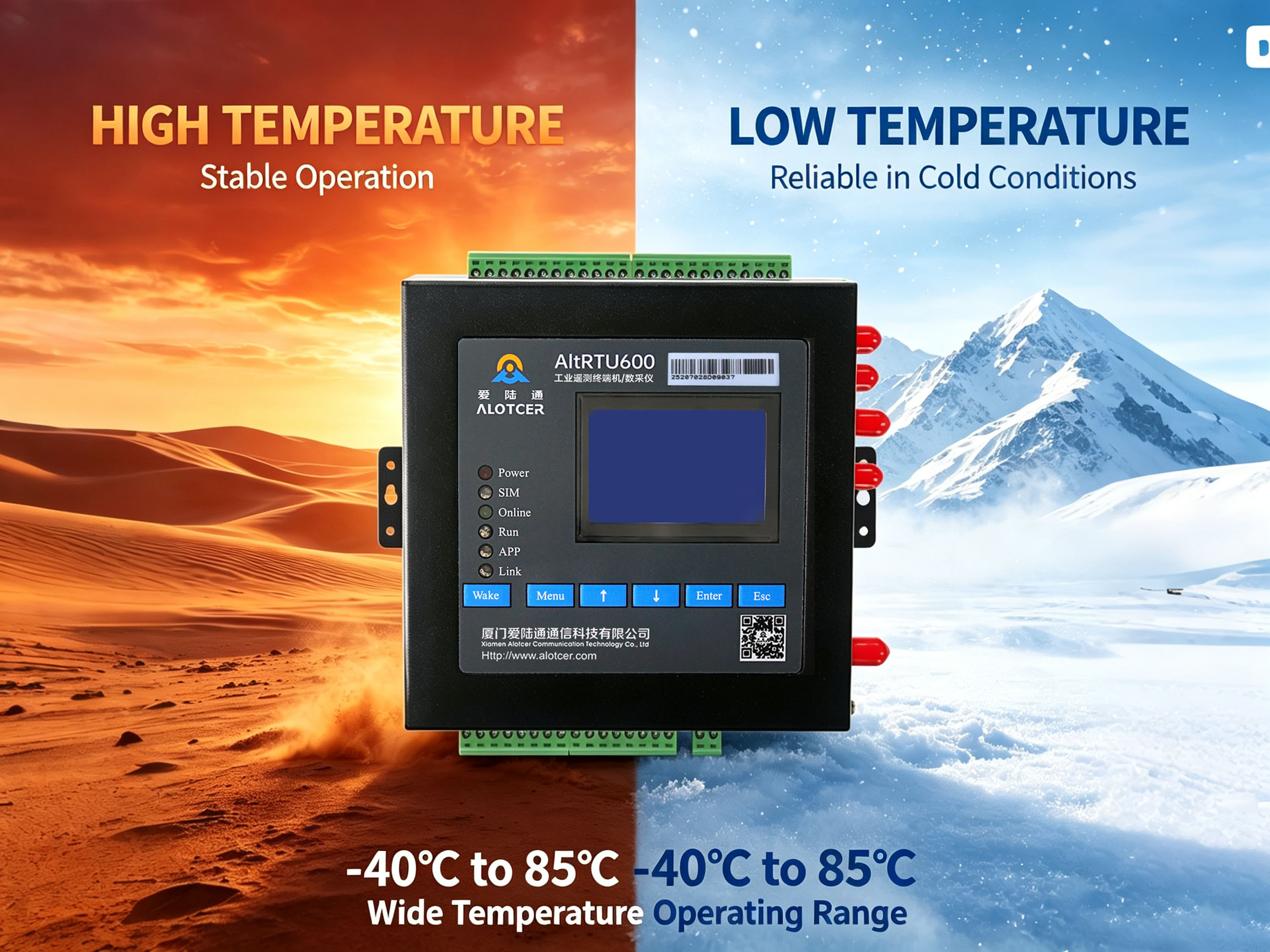
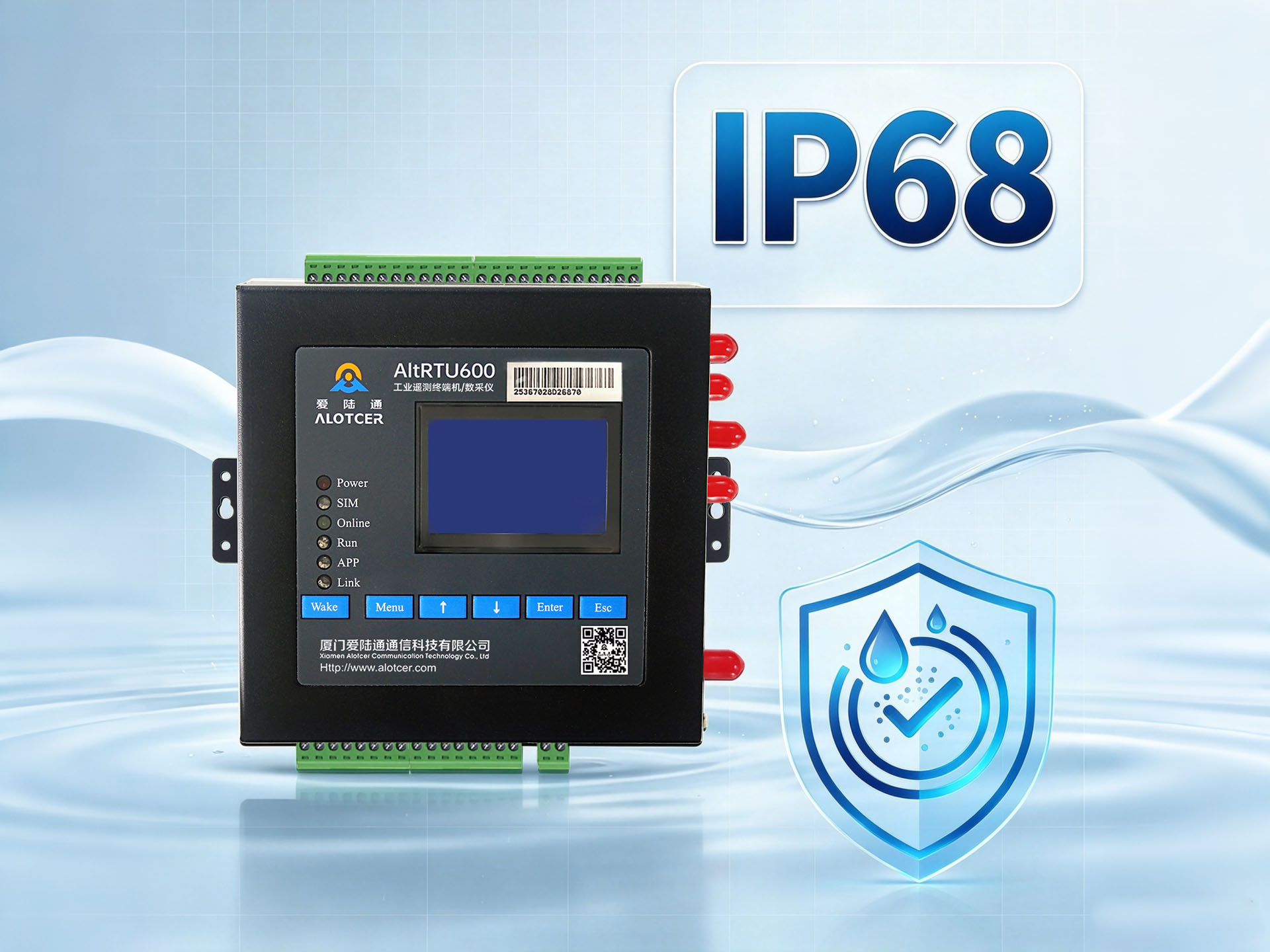
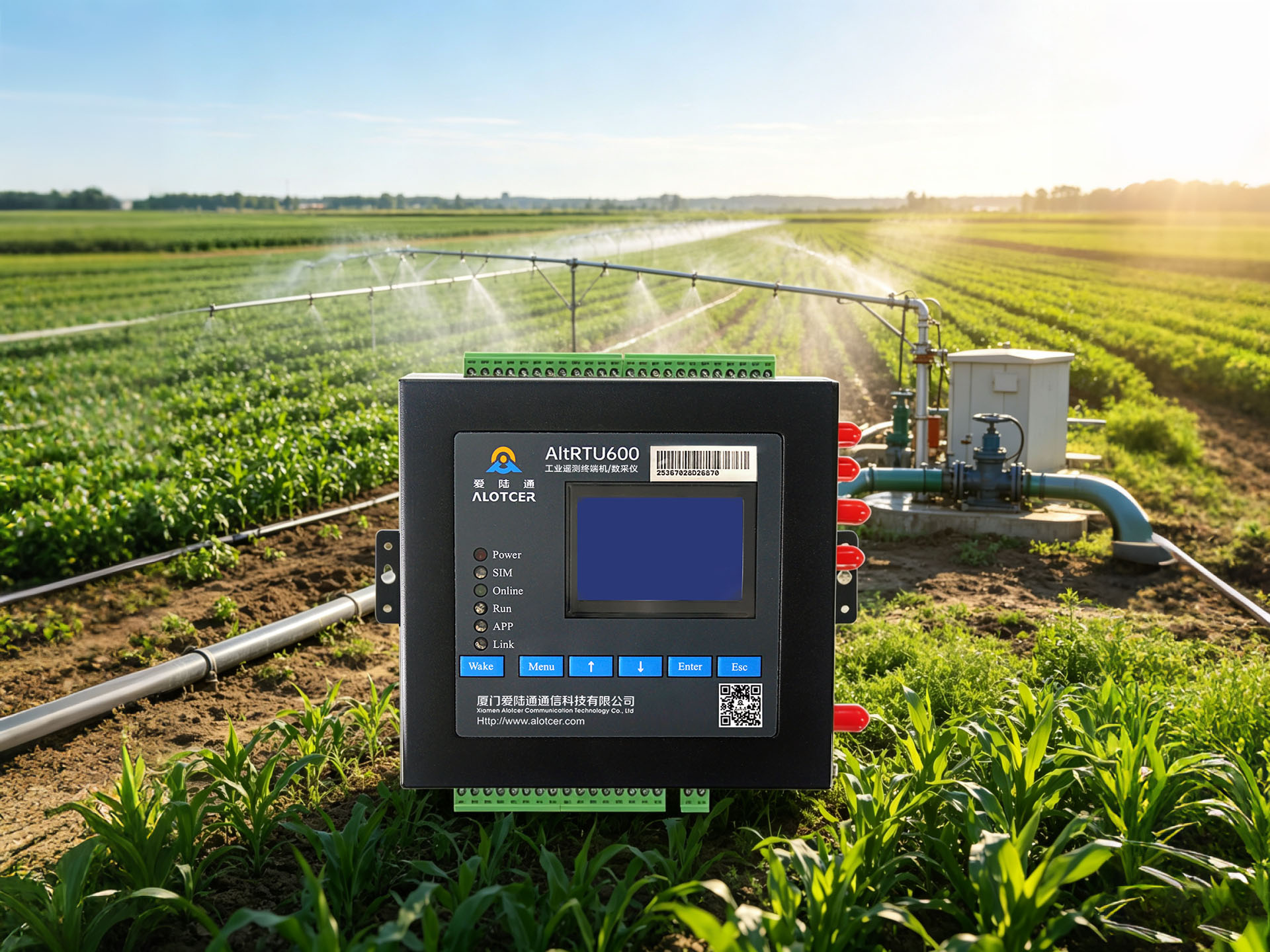
The 4G DTU is a smart device that integrates a 4G wireless communication module with data processing capabilities. Equipped with communication interfaces such as RS232, RS485, or CAN bus, it can easily connect to a variety of sensors, meters, and industrial equipment to achieve real – time data acquisition and preprocessing. Through its built – in efficient data transmission protocol, it leverages the extensive coverage and high – speed characteristics of the 4G network to stably and quickly transmit data to cloud servers or designated data management platforms. This provides support for remote real – time monitoring and control, as well as subsequent data analysis.
Applications

The 4G DTU plays a significant role in many cutting – edge fields of the IoT:
– Smart Meter Management: Assists power departments in remotely monitoring electricity meter data, promptly detecting abnormal usage, optimizing grid dispatching, and improving energy – use efficiency.
– Water Level System Monitoring: Used in water conservancy projects to remotely monitor key parameters such as water levels and water quality, preventing flood disasters and ensuring water resource safety.
– Smart Parking Lot Management: Combined with license plate recognition technology, it uploads real – time parking space occupancy status to optimize parking resource allocation and enhance user experience.
– Smart Home: Connects smart home appliances in a domestic environment to achieve remote control and energy – consumption monitoring, creating a comfortable and energy – efficient living space.
– Industrial Control: Real – time monitoring of production line status in manufacturing to prevent failures and improve production efficiency and quality.
– Logistics Management: Tracks the location, temperature, humidity, and other information of goods to ensure transparency in the logistics process and enhance supply chain response speed.
– Environmental Monitoring: Monitors air quality, water quality, and other indicators in the environmental protection field to provide scientific basis for environmental protection.
Installation Steps
Here are the basic steps for installing and configuring a 4G DTU:
1. Environmental Assessment and Preparation: Select the appropriate 4G DTU model based on the application scenario and confirm the compatibility of the network frequency band and SIM card. Check the 4G signal coverage at the installation site and ensure that the power supply and communication interfaces are complete.
2. Hardware Connection: Connect the 4G DTU to the monitored equipment through RS232, RS485, or CAN bus interfaces, ensuring a stable connection. The external antenna model should be correctly installed and the angle adjusted.
3. Software Configuration: Use the 4G DTU configuration tool (such as a Web interface or serial port configuration software) to set network parameters (APN, username, password, etc.) to ensure registration to the 4G network. Configure the data acquisition frequency and transmission protocol according to requirements.
4. Cloud Connection: Create a receiving endpoint on the cloud server or data management platform and configure the 4G DTU to send data to this endpoint. Complete the API interface connection and data format agreement.
5. Testing and Optimization: Conduct functional tests after configuration to ensure accurate data transmission to the cloud. Fine – tune the acquisition frequency and transmission strategy based on test results.
6. Deployment and Monitoring: Deploy the 4G DTU to the usage location and initiate the monitoring program. Use the cloud platform to view device status and analysis reports in real – time and perform remote control and adjustment.