Industrial – grade routers, as core devices in the Industrial Internet of Things (IIoT), are designed to provide stable and reliable network connections in complex and harsh industrial environments. Unlike consumer – grade routers, industrial – grade routers adhere to strict industrial standards in hardware selection, functional design, and security protection. They are equipped with features such as dust – proofing, water – proofing, vibration resistance, and interference resistance, enabling them to operate in extreme temperatures, humidity, and electromagnetic environments. However, different industries have significantly different demands for industrial – grade routers, which requires manufacturers to provide customized solutions.
I. Manufacturing: Emphasizing Real – Time Monitoring and Data Security
Manufacturing is one of the primary application scenarios for industrial – grade routers. In the context of smart manufacturing, production lines feature a large number of devices and complex data types, placing high demands on the signal stability, data bandwidth, and network security of routers. For example, an automotive manufacturing plant needs to collect real – time operation data from welding robots, painting equipment, and assembly lines, and transmit it to the MES (Manufacturing Execution System) via industrial – grade routers for centralized analysis. Signal interruption or data loss in routers can lead to production line shutdowns and significant economic losses.
To meet the needs of the manufacturing industry, industrial – grade routers typically have the following characteristics:
– High – bandwidth support: Gigabit Ethernet interfaces ensure no packet loss during concurrent transmission of multiple devices;
– Low – latency design: Optimized data forwarding mechanisms keep end – to – end latency at the millisecond level;
– Security protection: Built – in firewalls, VPN encryption, access control, and other functions prevent data leaks and network attacks;
– Redundancy backup: Support for dual SIM cards, dual power supplies, and other redundancy designs ensures that communication links are never interrupted.
In addition, industrial – grade routers need to seamlessly integrate with industrial devices such as PLCs (Programmable Logic Controllers) and SCADA (Supervisory Control and Data Acquisition) systems to achieve real – time data collection and remote control of production processes.
II. Oil and Gas Industry: Explosion – Proof, Remote, and Long – Distance Communication
The industrial environment in the oil and gas industry is characterized by high temperatures, high pressures, and flammable and explosive conditions, which place extremely high demands on the reliability and stability of routers. In scenarios such as offshore drilling platforms, oil pipelines, and refineries, routers must have explosion – proof certification (such as ATEX, IECEx) to prevent safety accidents caused by equipment failures. At the same time, due to the wide distribution of equipment, routers need to support long – distance communication (such as satellite communication, 4G/5G private networks) to ensure real – time monitoring of remote sites.
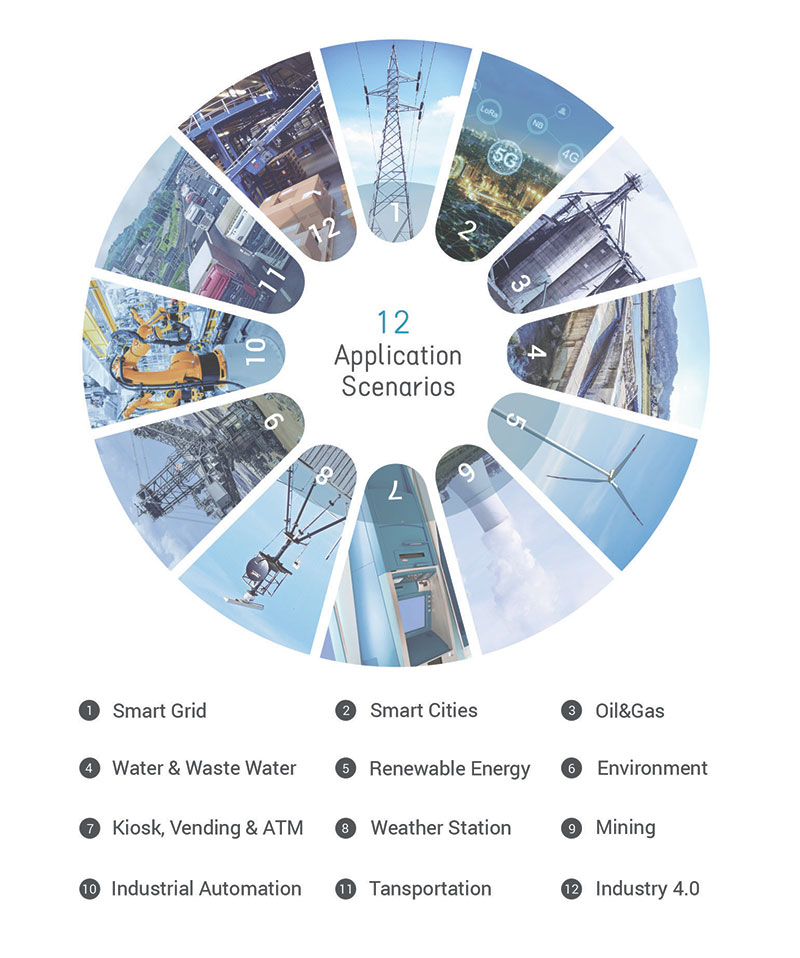
Typical applications include:
– SCADA system integration: Transmitting the operation data of oil wells, pipelines, pumping stations, and other equipment to the control center via industrial – grade routers to achieve remote monitoring and maintenance;
– Emergency communication: In remote areas or during disasters, routers need to support rapid deployment to ensure uninterrupted communication;
– Energy management: In conjunction with smart meters, sensors, and other devices, real – time monitoring and optimization of energy consumption are achieved.
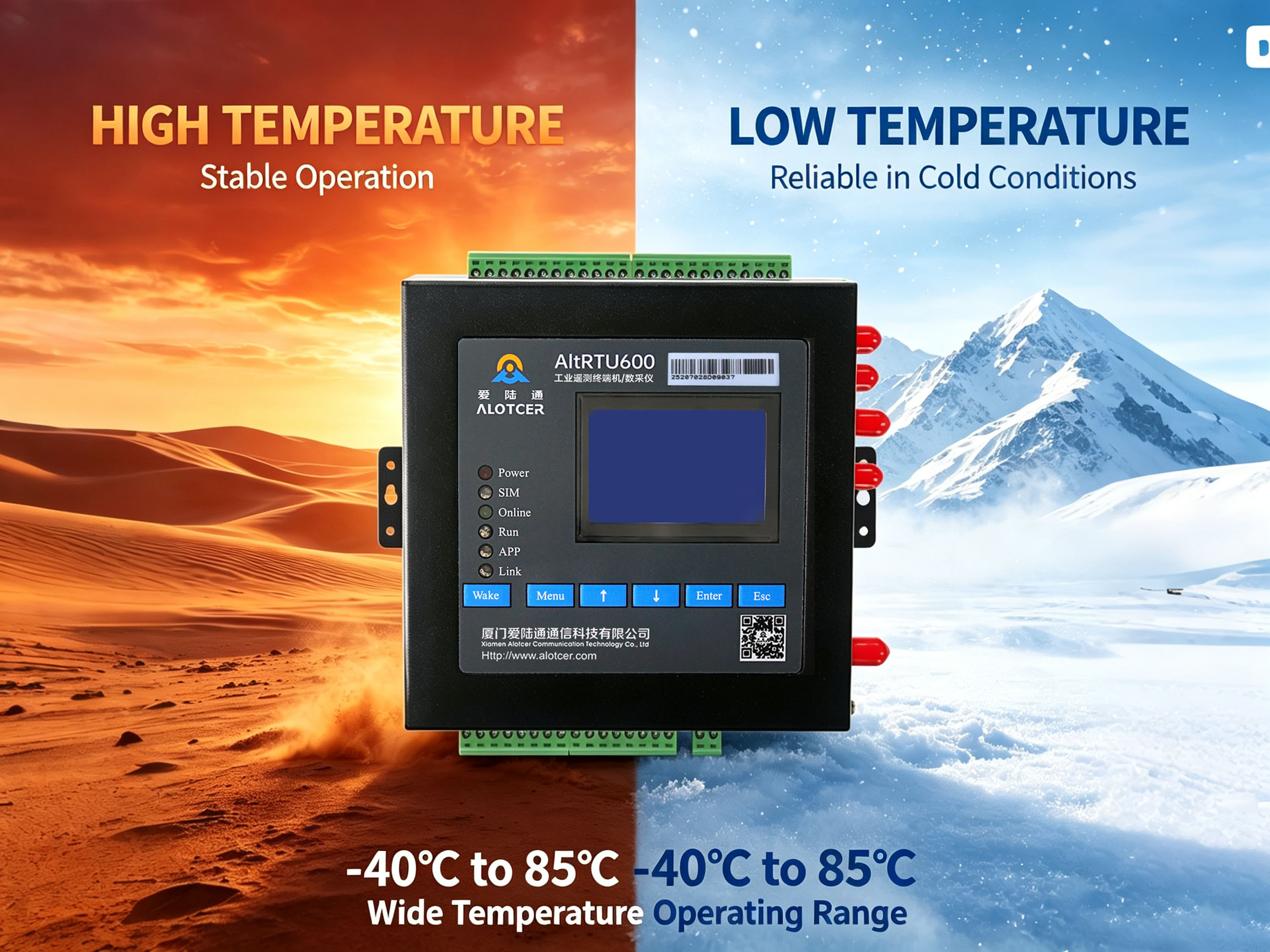
To meet these demands, industrial – grade routers typically use reinforced enclosures, wide – temperature designs (- 40℃ to 85℃), and anti – corrosion coatings to ensure long – term stable operation in harsh environments.
III. Transportation Industry: High – Speed, In – Vehicle, and Mobile Communication

The demand for industrial – grade routers in the transportation industry is mainly reflected in three areas: vehicle monitoring, intelligent scheduling, and mobile communication. In scenarios such as logistics fleets, public transportation, and railway transportation, routers need to have high – speed data transmission capabilities (such as 5G network support), in – vehicle safety (such as vibration resistance and impact resistance), and mobile communication characteristics (such as support for multi – operator switching).
Typical applications include:
– Vehicle remote monitoring: Transmitting vehicle location, speed, fuel consumption, and other data to the dispatch center via routers to achieve real – time tracking and management;
– Intelligent transportation systems: Interacting with traffic signals, cameras, and other devices to optimize traffic monitoring and signal control;
– In – vehicle entertainment and information services: Providing Wi – Fi access, multimedia playback, and other services to passengers to enhance the travel experience.
To meet these demands, industrial – grade routers typically use vehicle – grade hardware design, support for industrial protocols such as CAN bus and OBD – II interfaces, and integration of GPS, accelerometer, and other modules to achieve precise positioning and status monitoring.
IV. Public Utilities and Urban Infrastructure: Wide – Area Network Connectivity and Network Security
The demand for industrial – grade routers in public utilities and urban infrastructure (such as wastewater treatment plants, power systems, and water supply systems) focuses on three aspects: wide – area network connectivity, network security, and transmission capabilities. These facilities are usually widely distributed and need to be remotely monitored and managed via routers. For example, power companies need to transmit the operation data of substations and distribution rooms to the control center via routers to achieve fault early warning and rapid response.
Typical applications include:
– Remote monitoring and control: Transmitting equipment status, energy consumption data, and other information to the cloud via routers to achieve intelligent management;
– Network security protection: Preventing security threats such as hacker attacks and data tampering to ensure the safe operation of critical infrastructure;
– Smart city integration: In conjunction with IoT platforms and big data analysis systems, achieving refined and intelligent urban management.
To meet these demands, industrial – grade routers need to have powerful network security functions (such as IPSec VPN, SSL encryption, intrusion detection, etc.) and support a variety of wide – area network connectivity methods (such as fiber optics, microwave, satellite, etc.) to ensure stable communication in complex network environments.
V. Agriculture Industry: Low – Power Consumption and Long – Distance Transmission
The demand for industrial – grade routers in the agriculture industry focuses on agricultural IoT and smart agriculture applications. In scenarios such as precision agriculture and smart farms, routers need to have characteristics such as low – power consumption, long – distance transmission, and data security. For example, in remote farmland, routers need to use low – power wide – area network technologies such as LoRa to transmit soil humidity and meteorological data to the cloud for farmers to make scientific decisions.
Typical applications include:
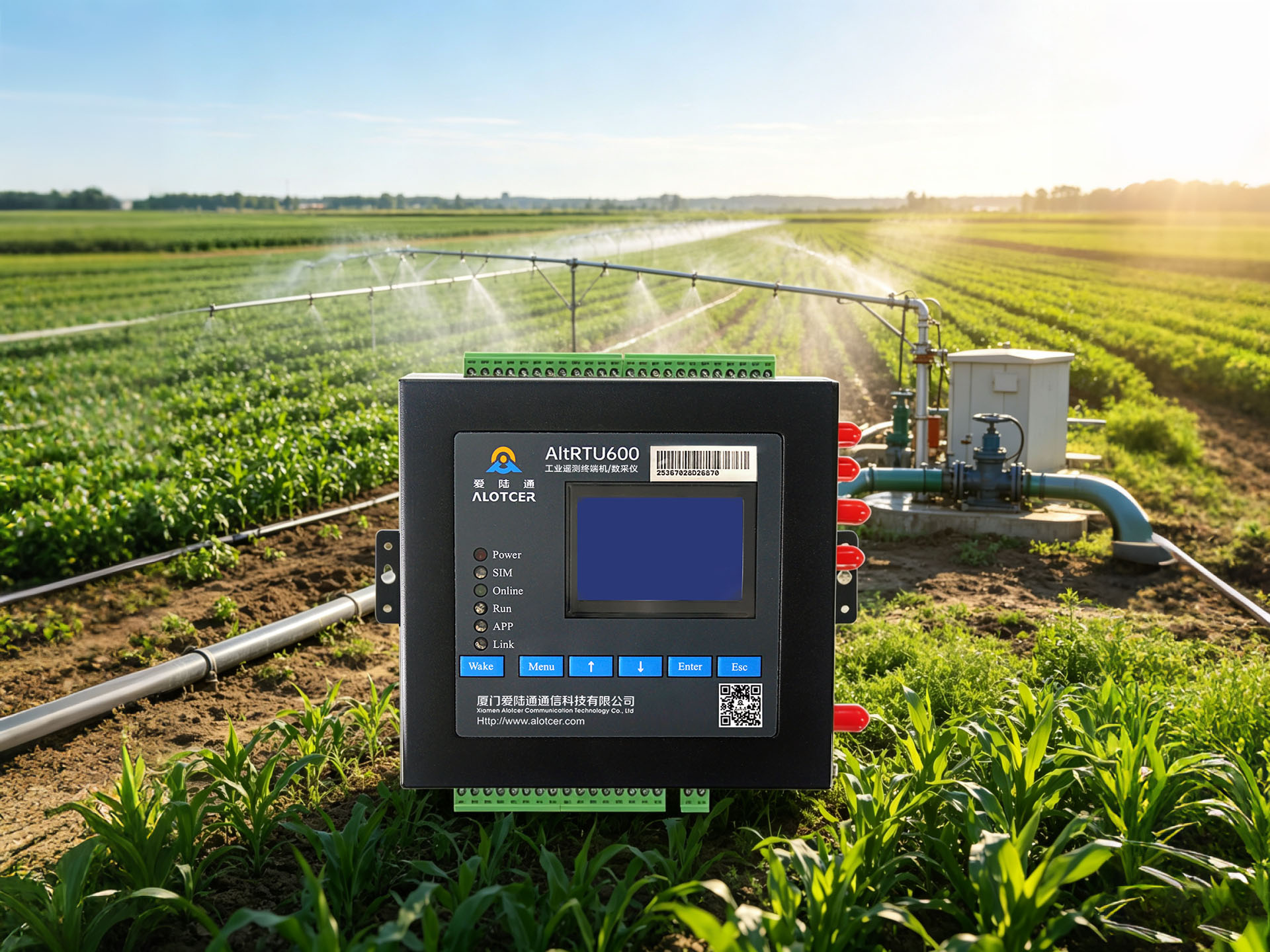
– Smart irrigation systems: Automatically adjusting irrigation volumes based on soil humidity and temperature data to improve water resource utilization efficiency;
– Agricultural IoT: In conjunction with drones, sensors, and other devices, achieving comprehensive monitoring and management of farmland.
To meet these demands, industrial – grade routers usually use solar power and narrow – band communication technologies to reduce energy consumption and extend transmission distances.
VI. Common Industry Needs: Reliability, Security, and Remote Management
Although different industries have different demands for industrial – grade routers, some common needs still need to be focused on:
– Reliability and stability: Long – term stable operation in high – temperature, high – humidity, and strong electromagnetic interference environments;
– Interference resistance and vibration resistance: Need to have electromagnetic compatibility (EMC) certification to resist the impact of mechanical vibration on communication;
– Security and data protection: Need to support security functions such as firewalls, encrypted transmission, and access control to prevent data leaks;
– Data transmission and bandwidth: Need to provide different speed and latency transmission solutions according to industry needs;
– Remote management and maintenance: Need to support remote configuration, monitoring, and fault diagnosis to reduce maintenance costs.