Pain Points of Smart Water Conservancy: Widespread Data Silos at Remote Monitoring Stations
Most monitoring sites for rivers, lakes, reservoirs, mountain hydrological stations, river sluices and underground pipe networks are located in remote areas far from urban machine rooms. They are plagued by difficult wiring, poor network signals and diverse on-site equipment, which have long been major obstacles to the digital transformation of water conservancy.
Many water authorities have purchased monitoring instruments, yet fallen into an awkward predicament: data from separate stations cannot be interconnected. Staff have to drive to rural sites regularly to record data manually. Risk alerts during flood seasons are severely delayed, rendering numerous monitoring devices idle and forming isolated data silos that are hard to connect.
To realize real-time full-range water management, a combined solution of industrial routers and IoT gateways tailored for field environments serves as the critical nerve endings for implementing smart water conservancy. After years of deep cultivation in field industrial communications, Alotcer has resolved remote data transmission challenges for over a thousand water conservancy monitoring stations.
Four Core Drawbacks of Traditional Field Water Conservancy Monitoring
Remote traditional hydrological monitoring faces prominent pain points. Scattered mountain reservoir and riverside monitoring points incur high costs and long construction cycles for optical fiber deployment; wiring is even impossible in muddy, steep terrain. Field areas only provide unstable cellular signals, while ordinary consumer routers cannot withstand extreme high temperatures, frost, heavy rain and lightning, leading to frequent disconnections during harsh weather.
Furthermore, on-site equipment varies widely: water level gauges, rain gauges, water quality sensors and sluice controllers operate on incompatible protocols, preventing inter-device communication. Each instrument transmits data independently, resulting in chaotic backend systems that complicate unified scheduling and management.
During floods and rainstorms, monitoring data cannot be sent back to control centers in real time, forcing manual on-site inspections. This not only consumes massive manpower and material resources, but also creates severe hidden dangers for flood prevention safety.
Core Solution to Break the Deadlock: Dual-Device Combination to Unblock Water Conservancy Data Transmission Links
Eliminating data silos at remote monitoring stations relies on two core steps: first, unified collection of data from all types of water conservancy equipment; second, stable remote transmission to the water management platform. IoT gateways and industrial routers each perform dedicated functions, forming a complete and reliable field communication suite.
IoT Gateway: The “Data Translator” for On-Site Equipment to End Inter-Device Incompatibility
Acting as an on-site “data translator”, the IoT gateway resolves multi-device compatibility issues. Equipped with multiple serial ports and broad protocol compatibility, Alotcer IoT Gateways connect to most mainstream water quality, hydrological and sluice control devices without replacing legacy monitoring instruments.
The gateway synchronously collects full monitoring metrics including water level, flow rate, pH value and rainfall, automatically cleans and integrates fragmented data, filters invalid redundant information, and converts all data into a unified format recognizable by cloud platforms.
In the past, a single monitoring site required multiple devices and separate data lines; now one gateway centralizes all data collection, completely eliminating data fragmentation caused by incompatible equipment protocols. This cuts on-site wiring and equipment procurement costs by half for each station.
Even if field networks temporarily drop out, the gateway features local data storage to cache all hydrological records. Once connectivity restores, cached data will be automatically retransmitted without loss of critical monitoring information.
Industrial Router: The “Signal Expressway” for Stable Remote Field Monitoring
Industrial routers serve as the reliable “signal expressway” for long-distance field data transmission. Paired with Alotcer 4G/5G industrial routers, remote stations achieve wireless connectivity via cellular networks without wired broadband laying.
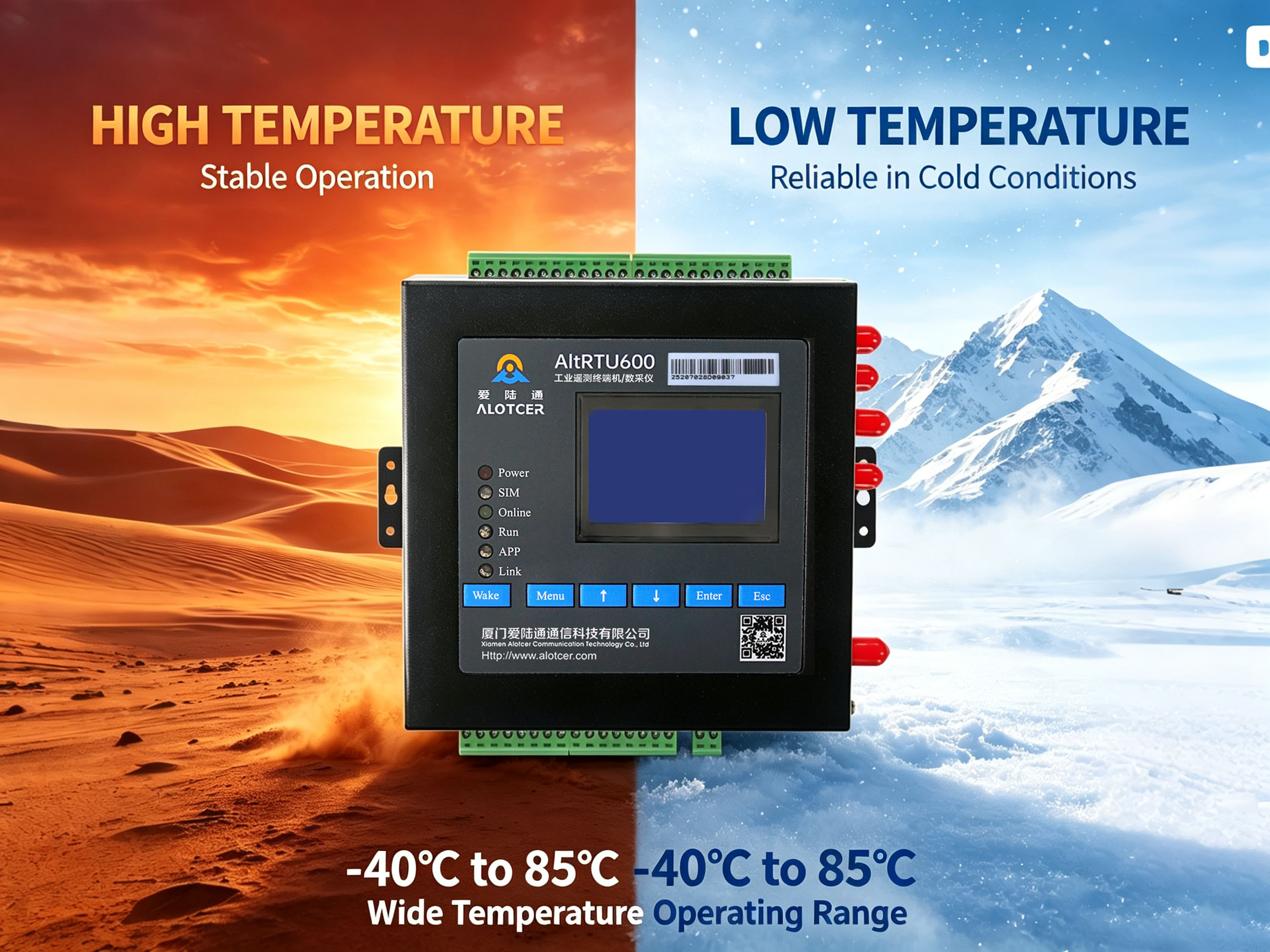
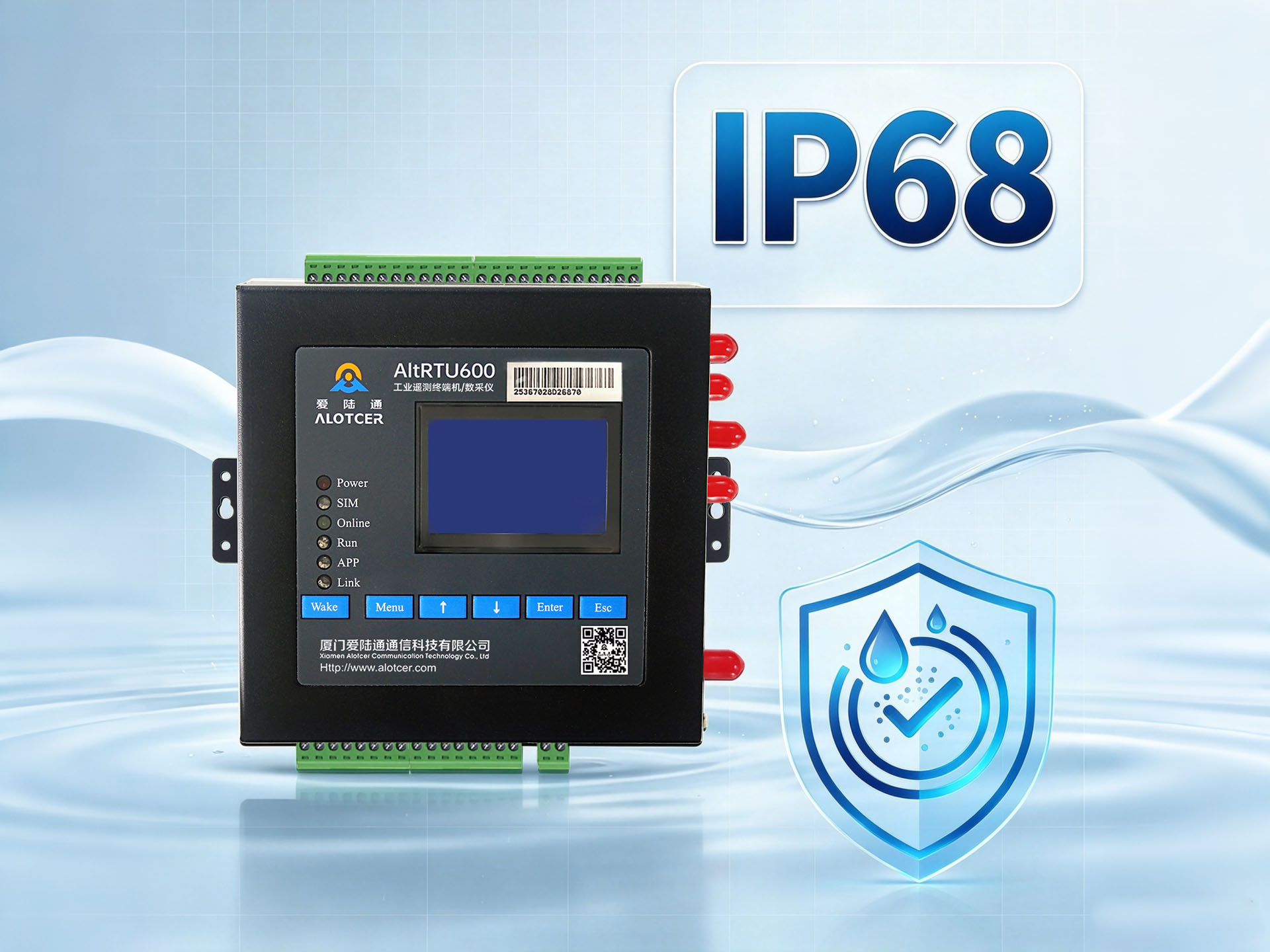
Engineered for harsh outdoor operating conditions, the devices support a wide operating temperature range of -40℃ to 75℃, with built-in protection against lightning, moisture, dust and electromagnetic interference. They run stably all year round under mountain sunlight, freezing winter frost and thunderstorm rainy seasons.
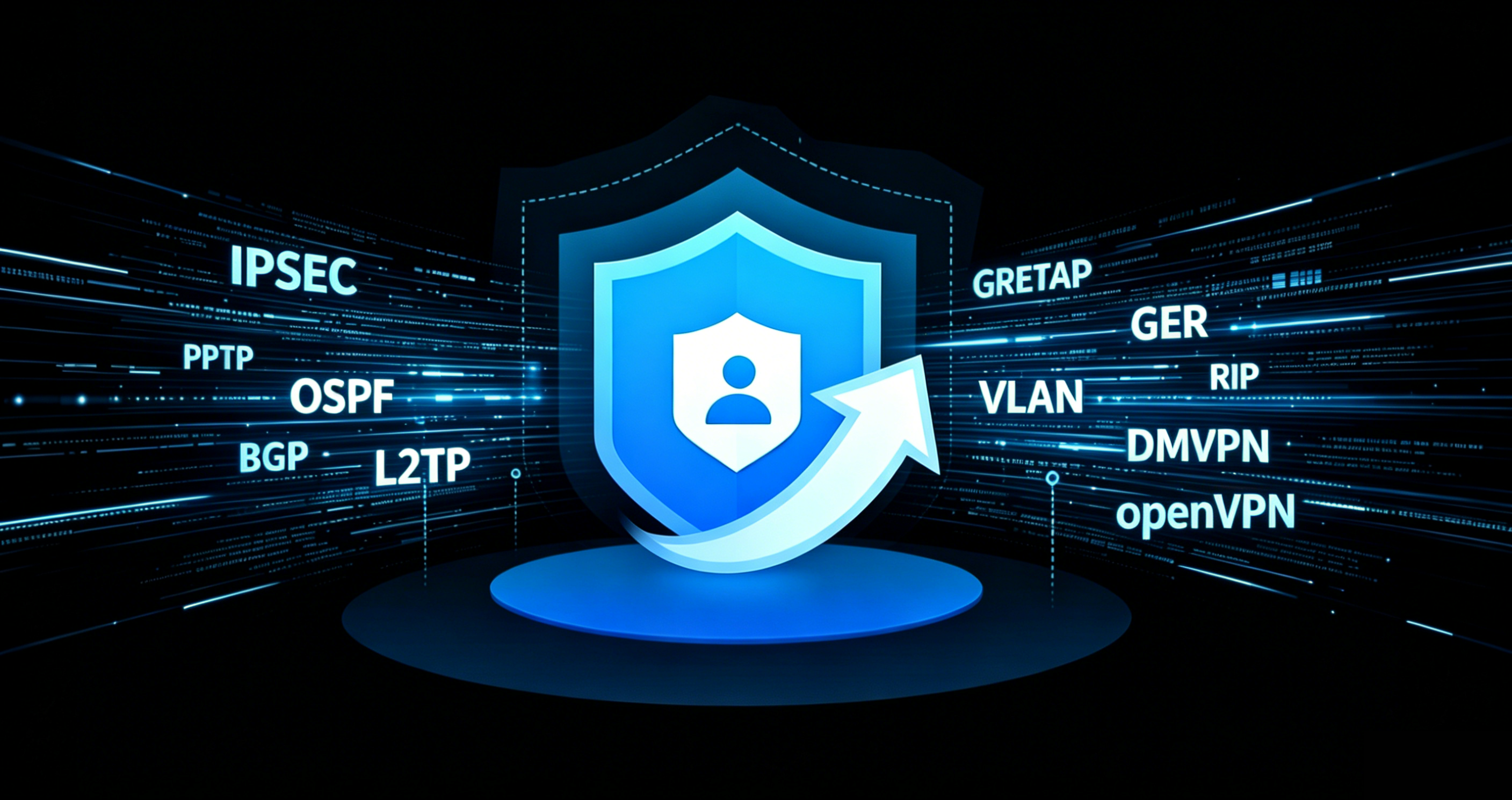
Dual-SIM backup networking is a standout advantage for field scenarios: the router automatically switches to a secondary SIM card when the primary signal weakens, preventing disconnection during critical flood periods. VPN encrypted transmission is also supported to fully encrypt hydrological and river monitoring data during uploads, avoiding data leakage and complying with water conservancy industry information security standards.
Gateway & Router Linkage: Construct Complete Nerve Endings for Smart Water Conservancy
The coordinated deployment of IoT gateways and industrial routers builds the full set of nerve endings for smart water conservancy. Environmental data captured by front-end sensors is standardized and consolidated by the IoT gateway, then stably uploaded to the urban water management monitoring screen via the industrial router.
Staff at control centers can view real-time water quality and hydrological conditions of all remote stations without field visits. The system automatically sets early warning thresholds and pushes instant alerts for excessive water levels or abnormal water quality, enabling proactive flood prevention and pollution control.
For remote reservoir sluice regulation, this communication suite supports reverse command delivery. Operators can open and close sluices remotely from the central control room without traveling to isolated sites, drastically boosting water management efficiency.
Implementation Outcomes: Cost Reduction, Efficiency Improvement & Strengthened Flood Emergency Response
Practical rollout cases from multiple local water bureaus prove that upgrades combining gateways and industrial routers eliminate the need for full-time on-site inspectors at remote hydrological stations, slashing monthly field labor costs significantly. Hydrological data update latency is reduced to second-level, multiplying emergency response speed during flood seasons.
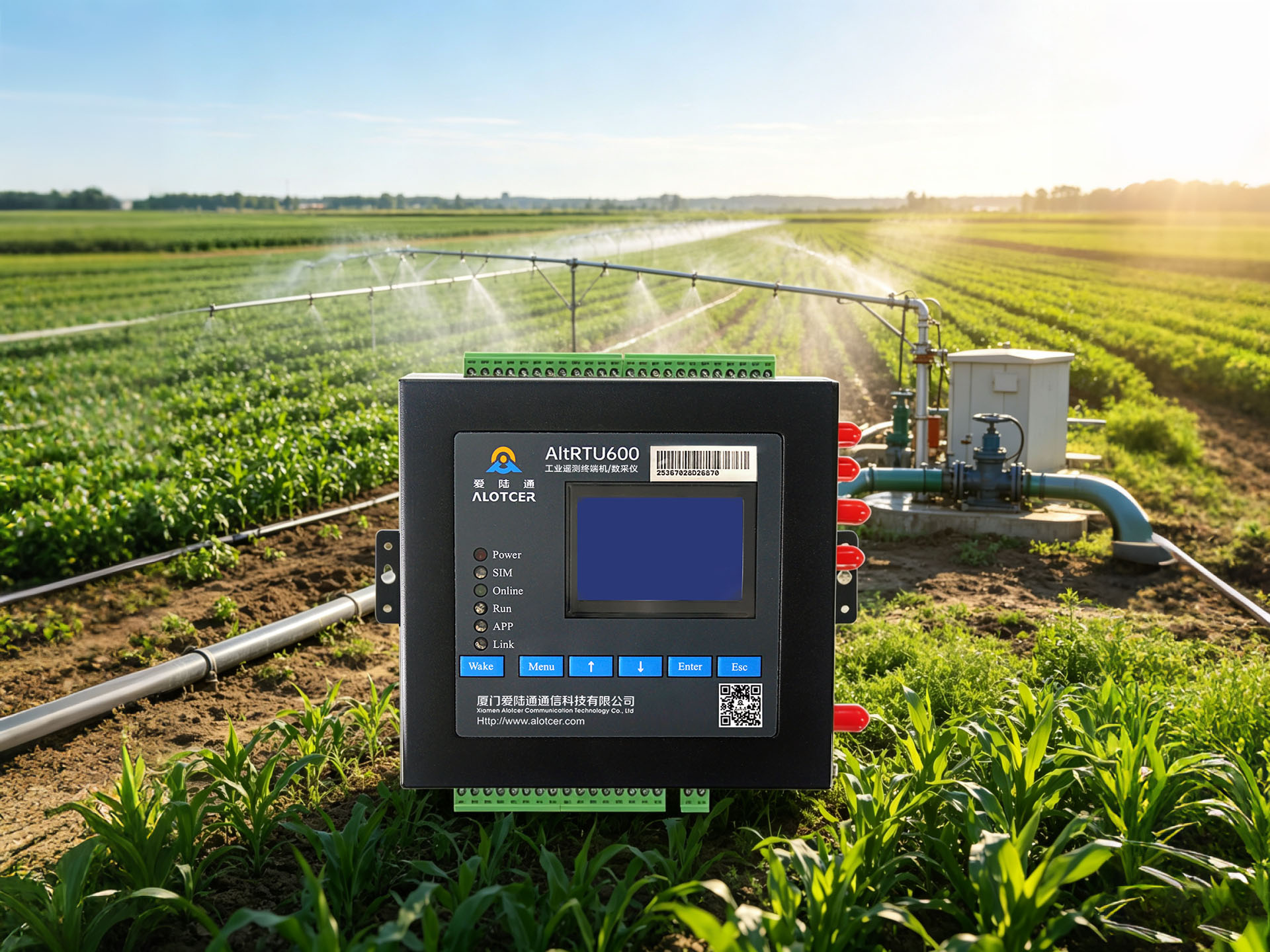
The complete equipment set features simple installation with DIN rail mounting compatible with compact outdoor monitoring cabinets. Small and medium-sized water conservancy projects avoid large-scale civil engineering construction, enabling digital upgrades of batches of monitoring stations in a short timeframe.
VIII. Domestic Communication Solutions Empower Full-Scale Digitalization of Smart Water Conservancy
The construction of smart water conservancy is accelerating nationwide, and remote monitoring points are no longer blind spots for digital transformation. The combined solution of IoT gateways for equipment integration and industrial routers for stable data transmission thoroughly breaks down data barriers between scattered monitoring sites and erases data silos.
As a domestic manufacturer of industrial communication equipment, Alotcer delivers complete communication suites tailored for the water conservancy industry. With stable, low-cost and easy-to-deploy hardware, we unblock information transmission links for rivers, lakes, reservoirs and pipe networks, providing reliable “nerve endings” to lay a solid underlying foundation for digital flood control and water governance.