In the field of industrial automation, industrial gateways are core devices for data conversion and interconnection between different networks. Through industrial gateways, traditional industrial networks can be seamlessly connected to modern communication networks, enabling smooth data exchange and communication between various devices. In the hardware composition of industrial gateways, interfaces are key elements for connecting external devices and achieving data interaction. Next, we will delve into the common interface types of industrial gateways and their functions.
Serial Port Interfaces

Serial port interfaces are extremely common in industrial gateways. In industrial settings, a large number of devices such as programmable logic controllers (PLCs), various sensors, and industrial instruments rely on serial port interfaces to establish connections with industrial gateways. Serial port interfaces primarily use the RS – 232 or RS – 485 protocols for communication and have the capability for bidirectional data transfer.
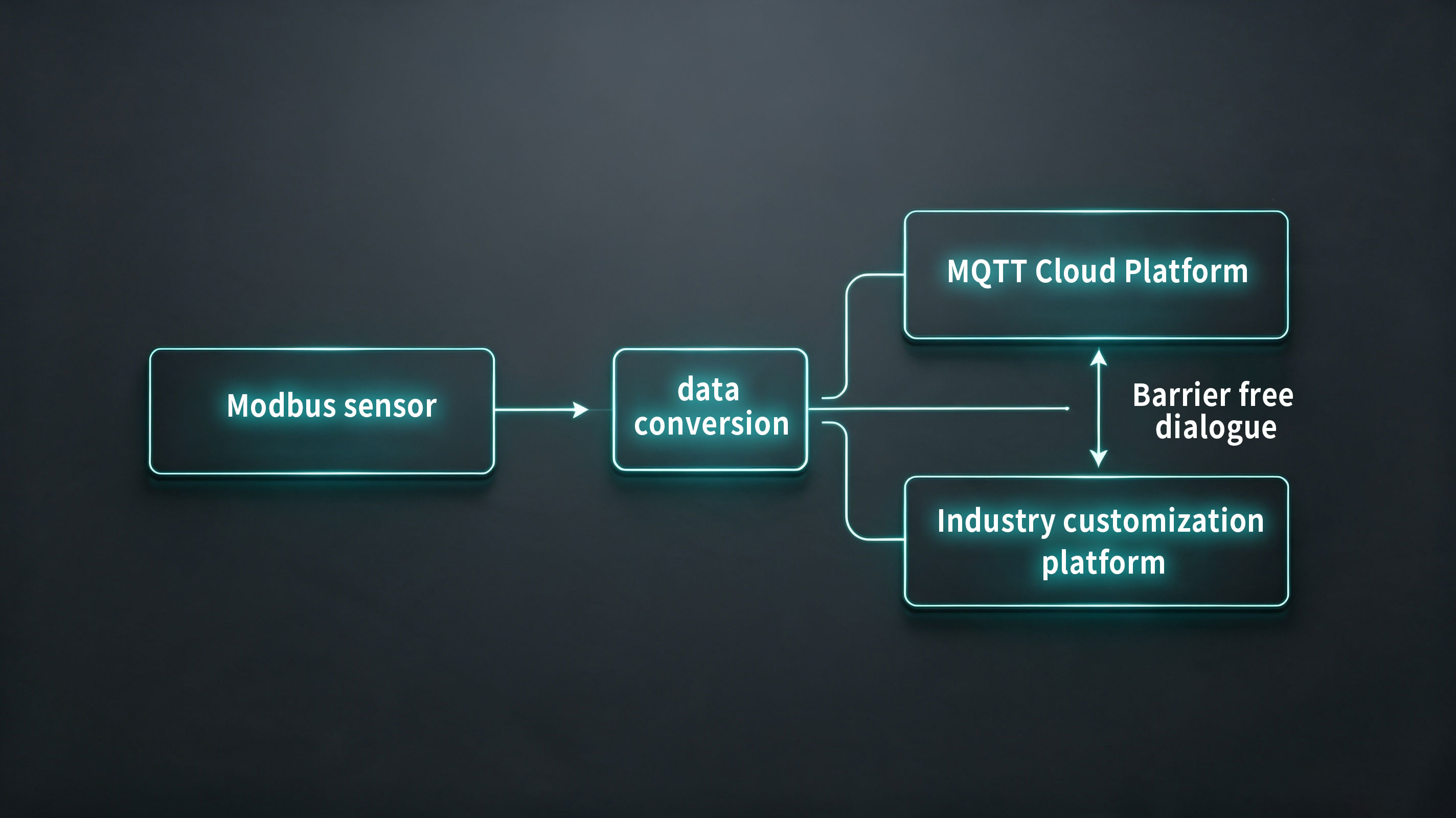
Due to the wide variety of industrial devices and diverse communication requirements, serial port interfaces need to have strong protocol compatibility. For example, the Modbus protocol is widely used in the field of industrial automation because it is simple, easy – to – use, and cost – effective, often used to connect industrial electronic devices. The Profibus protocol, with its high – speed and stable characteristics, holds an important position in process automation and factory automation. The CAN protocol, known for its high reliability and real – time performance, plays a key role in automotive manufacturing and industrial automation production lines. Industrial gateway serial port interfaces need to support these protocols to meet the communication needs of different devices.
Ethernet Interfaces
Ethernet interfaces are one of the most commonly used interfaces in industrial gateways, providing convenient connections between industrial gateways and modern communication networks. In industrial environments, local area networks and the Internet are widely used. Ethernet interfaces, through RJ45 connectors and standard Ethernet protocols, enable high – speed data transmission between industrial gateways and these networks.
The advantage of Ethernet interfaces lies in their extensive compatibility and high – speed data transfer capabilities. In the era of Industry 4.0, enterprises have increasing requirements for the real – time and accuracy of data. Ethernet interfaces can meet the needs of large – scale data transfer, allowing devices on the industrial floor to interact efficiently with enterprise – level management systems. This enables functions such as remote monitoring and fault diagnosis.
Wireless Interfaces
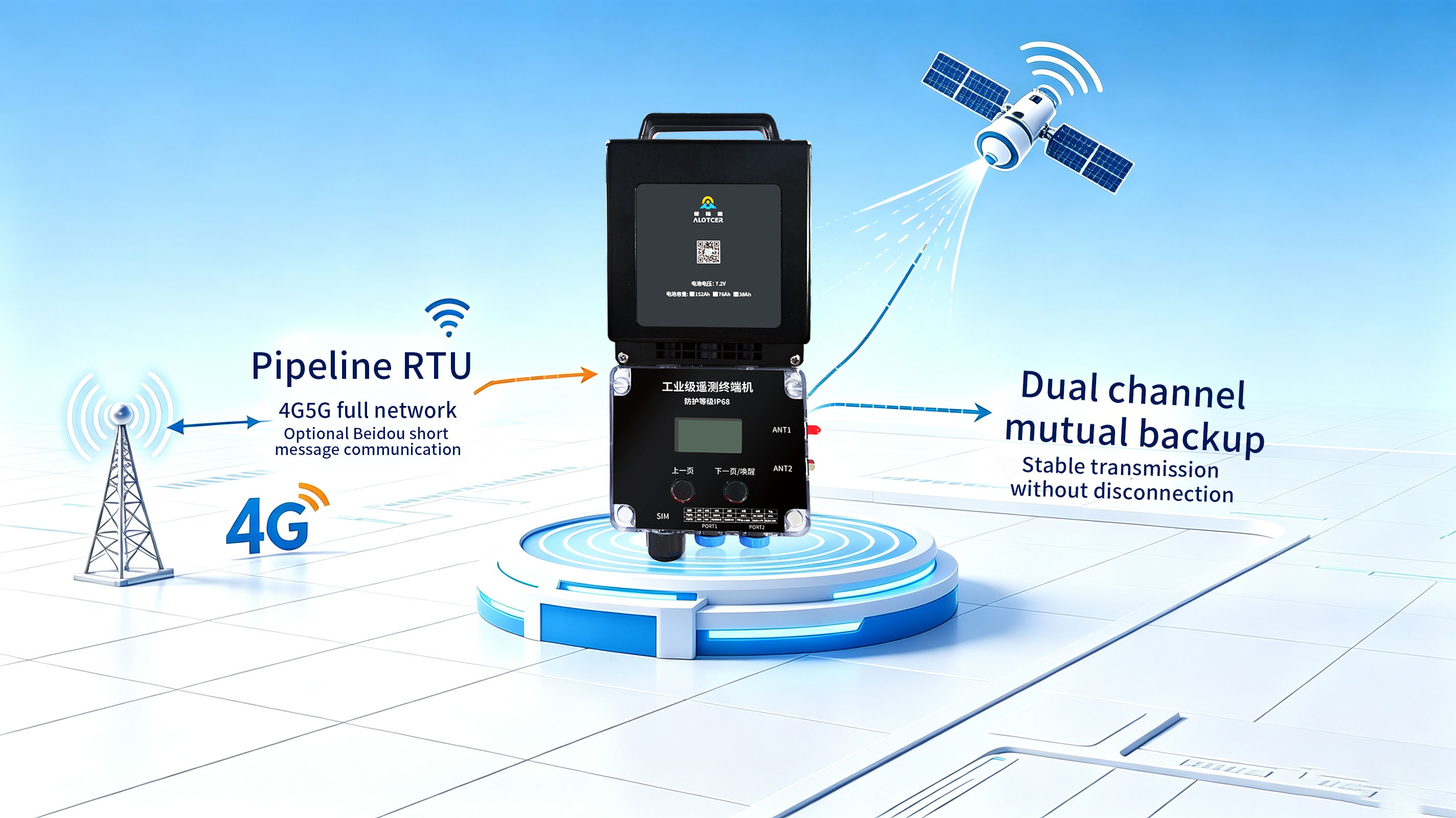
With the rapid development of wireless communication technologies, wireless interfaces are increasingly used in industrial gateways. Common wireless communication technologies such as WiFi, Bluetooth, and Zigbee provide industrial gateways with wireless network coverage and data acquisition capabilities.
Wireless interfaces transmit and receive signals through antennas and have the advantages of flexible installation and wide coverage. In scenarios where cabling is difficult or mobile device connections are needed, the advantages of wireless interfaces are particularly evident. For example, in large – scale warehouses, industrial gateways with wireless interfaces can easily communicate with mobile robots and wireless sensors to achieve automated goods management. In scenarios where smart homes and industrial automation are integrated, Bluetooth interfaces can facilitate convenient connections between industrial gateways and smart home devices.
USB Interfaces
USB interfaces are also common in industrial gateways, providing convenient connections between industrial gateways and various USB devices. Common USB devices such as flash drives, cameras, and printers can interact with industrial gateways through USB interfaces.
USB interfaces have the advantages of high – speed data transfer and extensive device compatibility. In industrial settings, workers can quickly back up data from industrial gateways using flash drives. Cameras can connect to industrial gateways through USB interfaces to capture and transmit on – site images. Printers can print data processed by industrial gateways.
CAN Interfaces
CAN interfaces in industrial gateways are mainly used to connect various industrial devices on the CAN bus, such as automobiles, robots, and automated production lines. The CAN bus, known for its high reliability, real – time performance, and strong interference resistance, is widely used in automotive manufacturing and industrial automation.
CAN interfaces communicate using the standard CAN protocol, enabling high – speed data transfer and extensive device compatibility. In automotive manufacturing, CAN interfaces can connect various electronic control units (ECUs) within a vehicle to share data and work collaboratively. In industrial automation production lines, CAN interfaces can connect various industrial robots and automated devices to achieve automated process control.
Analog and Digital Interfaces
Analog and digital interfaces in industrial gateways are responsible for the acquisition and processing of analog and digital signals, respectively. Analog interfaces are typically used to connect various analog signal sources, such as temperature sensors, pressure sensors, and humidity sensors. Through analog input and output channels, these interfaces achieve high – precision acquisition and processing of these signals.
Digital interfaces are mainly used to connect various digital signal devices, such as switches and relays. They acquire and control digital signals through digital input and output channels. In industrial automation, analog and digital signals are widely used in various production processes. The presence of analog and digital interfaces enables industrial gateways to accurately acquire and process these signals, providing strong support for the automated control of industrial production.
Industrial gateways have a wide variety of interfaces, each with its unique functions and application scenarios. In practical applications, we need to select the appropriate industrial gateway interfaces based on specific industrial requirements and device types. We should also pay attention to technical parameters such as communication protocols, data formats, and transmission rates to ensure that industrial gateways operate stably and efficiently. This provides a solid foundation for the development of industrial automation.