[toc]
I. Introduction
Imagine a world where everyday objects communicate seamlessly, sharing data to optimize their performance and enhance our lives. This is the promise of the Internet of Things (IoT), a rapidly expanding field where connectivity is king. But with numerous options available, selecting the right connectivity solution for your IoT project can be daunting. Enter the gladiators of low-power wide-area networking (LPWAN): LoRa and NB-IoT. This comprehensive guide delves into these two titans, examining their strengths, weaknesses, and best use cases to help you make an informed decision.
The Rise of LPWAN
LPWAN technologies have become the backbone of IoT applications, offering the ability to connect battery-powered devices over long distances with minimal power consumption. This is crucial for a wide range of IoT applications, from smart cities to industrial automation, where reliable and efficient data exchange is paramount. LPWAN technologies like LoRa and NB-IoT excel in providing this connectivity, each with unique attributes that cater to different needs and environments.
A Landscape of Choices
When it comes to LPWAN, there are several options, but LoRa and NB-IoT stand out as the dominant players. Each has distinct characteristics and advantages, making them suitable for different applications. Understanding these differences is key to choosing the right technology for your IoT deployment.
II. Unveiling LoRa: Long Range and Open Architecture
Core Characteristics
LoRa, short for Long Range, is a LPWAN technology known for its impressive range and open architecture. It operates in the unlicensed spectrum, allowing for flexible and cost-effective deployments. Key features of LoRa include:
- Long-range communication: LoRa can cover distances up to 15 km in rural areas and 5 km in urban settings, making it ideal for remote and dispersed applications.
- Open architecture: LoRa’s open standard, known as LoRaWAN, encourages diverse device and network implementations, fostering innovation and interoperability.
- Low data rates: With data rates typically ranging from 0.3 kbps to 50 kbps, LoRa is best suited for applications requiring infrequent data transmission.
Applications for LoRa
LoRa’s unique characteristics make it suitable for a variety of use cases, particularly in scenarios where long-range connectivity and low power consumption are essential. Some common applications include:
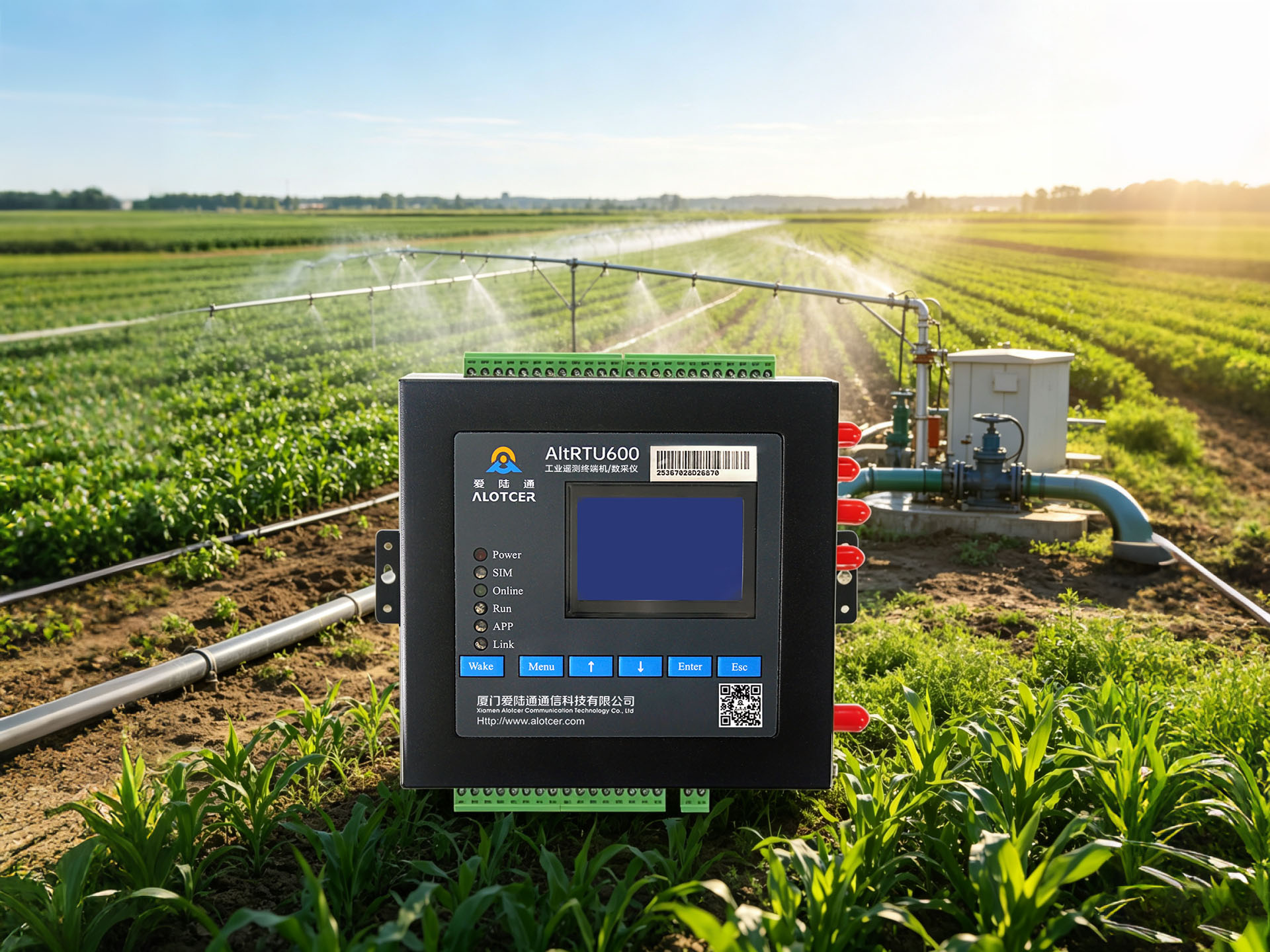
- Smart agriculture: LoRa is widely used in agriculture to monitor soil moisture, crop health, and environmental conditions, ensuring optimal growing conditions and resource management.
- Asset tracking: LoRa enables the tracking and monitoring of remote assets like vehicles, containers, or industrial equipment, providing real-time location data and status updates.
- Smart metering: Utilities use LoRa for remote monitoring of electricity, water, or gas usage, allowing for efficient resource management and billing.
III. Enter NB-IoT: Capitalizing on Cellular Infrastructure
Building on Cellular Technology
Narrowband IoT (NB-IoT) is a LPWAN technology that leverages existing LTE cellular infrastructure to provide widespread coverage. It’s standardized by 3GPP, ensuring compatibility and interoperability across devices and networks. Key features of NB-IoT include:
- Leverages existing infrastructure: By using the established cellular network, NB-IoT can achieve broad and reliable coverage, particularly in populated areas.
- Standardized technology: NB-IoT’s standardization reduces complexity and enhances device compatibility, making it easier to deploy and manage.
- Moderate data rates: With data rates up to 250 kbps, NB-IoT supports a wider range of applications compared to LoRa.
Ideal for Urban Applications
NB-IoT’s reliance on cellular infrastructure makes it particularly suitable for urban and industrial applications where reliable coverage and higher data rates are needed. Some common use cases include:
- Smart city deployments: NB-IoT is used to monitor parking availability, traffic flow, and environmental conditions, contributing to more efficient and livable urban environments.
- Connected wearables: Health monitoring devices and other wearables benefit from NB-IoT’s low power consumption and reliable data transmission.
- Industrial automation: Factories and buildings leverage NB-IoT to connect sensors and actuators, enabling advanced automation and real-time monitoring.
IV. LoRa vs. NB-IoT: A Side-by-Side Comparison
To better understand the differences between LoRa and NB-IoT, let’s compare them across key parameters:

V. Choosing the Right Champion: Factors to Consider
Selecting the right LPWAN technology for your IoT project depends on several factors. Here are some key considerations:
Application Requirements
The specific needs of your IoT application will heavily influence your choice between LoRa and NB-IoT. Consider the following:
- Data transmission frequency and required data rate: If your application involves infrequent data transmission and low data rates, LoRa may be the better choice. For applications requiring more frequent and higher data transmission, NB-IoT is more suitable.
- Deployment location: LoRa’s long-range capabilities make it ideal for rural and remote areas, while NB-IoT’s reliance on cellular infrastructure makes it better suited for urban environments.
- Cost considerations: LoRa typically offers lower costs for both devices and network infrastructure, making it a cost-effective choice for large-scale deployments. NB-IoT, while potentially more expensive, provides the benefit of leveraging existing cellular networks.
Network Availability
Before deciding on a technology, it’s crucial to check network coverage in your deployment area. LoRa network availability can vary depending on whether you deploy a private network or use a public LoRaWAN network. NB-IoT, on the other hand, typically benefits from the widespread coverage of existing cellular networks.
Security Considerations
Security is paramount in IoT deployments. Both LoRa and NB-IoT offer encryption and authentication protocols to secure data transmission. Evaluate the specific security features provided by network providers and device manufacturers to ensure they meet your requirements.
VI. Beyond the Basics: Advanced Considerations (Optional)
Latency
Both LoRa and NB-IoT offer moderate latency, which is suitable for many IoT applications. However, if your application requires ultra-low latency, you may need to explore alternative LPWAN technologies.
Device Management
LoRa offers more flexibility for private network management, allowing for customized solutions tailored to specific needs. NB-IoT benefits from the established management infrastructure of cellular networks, which can simplify deployment and maintenance.
VII. The Future of LPWAN: Emerging Technologies and Trends
The Rise of Other LPWAN Options
While LoRa and NB-IoT are dominant players, other LPWAN technologies like Sigfox and LTE-M are emerging, each with unique strengths targeting different application segments.
LPWAN and 5G Integration
5G promises significant advancements in cellular network capacity and efficiency. The integration of LPWAN technologies with 5G could lead to hybrid solutions, offering both long-range and higher data rate capabilities.
Standardization and Interoperability
Ongoing efforts towards LPWAN standardization are crucial for ensuring interoperability between different technologies and network providers. This standardization could simplify device development and deployment, fostering broader IoT adoption.
VIII. Conclusion: Choosing Your Connectivity Champion
Choosing the right LPWAN technology for your IoT project involves considering multiple factors, including application requirements, network availability, cost, and security. Both LoRa and NB-IoT offer unique advantages, and the optimal choice will depend on your specific needs.
IX. FAQs
Is LoRa faster than NB-IoT?
No, NB-IoT typically offers higher data rates than LoRa. However, LoRa excels in long-range communication.
Is NB-IoT more secure than LoRa?
Security features can vary depending on specific implementations. Both LoRa and NB-IoT offer encryption and authentication options.
Can I use a single device on both LoRa and NB-IoT networks?
No, devices are typically designed to work with a specific LPWAN technology.
Which LPWAN technology is right for my smart city project?
NB-IoT might be a good choice due to its wider coverage in urban areas and potential for higher data rates for frequent sensor updates.
Will 5G replace LoRa and NB-IoT?
Not necessarily. 5G integration could lead to hybrid solutions, with LPWAN technologies continuing to play a vital role for specific applications requiring long-range and low-power connectivity.