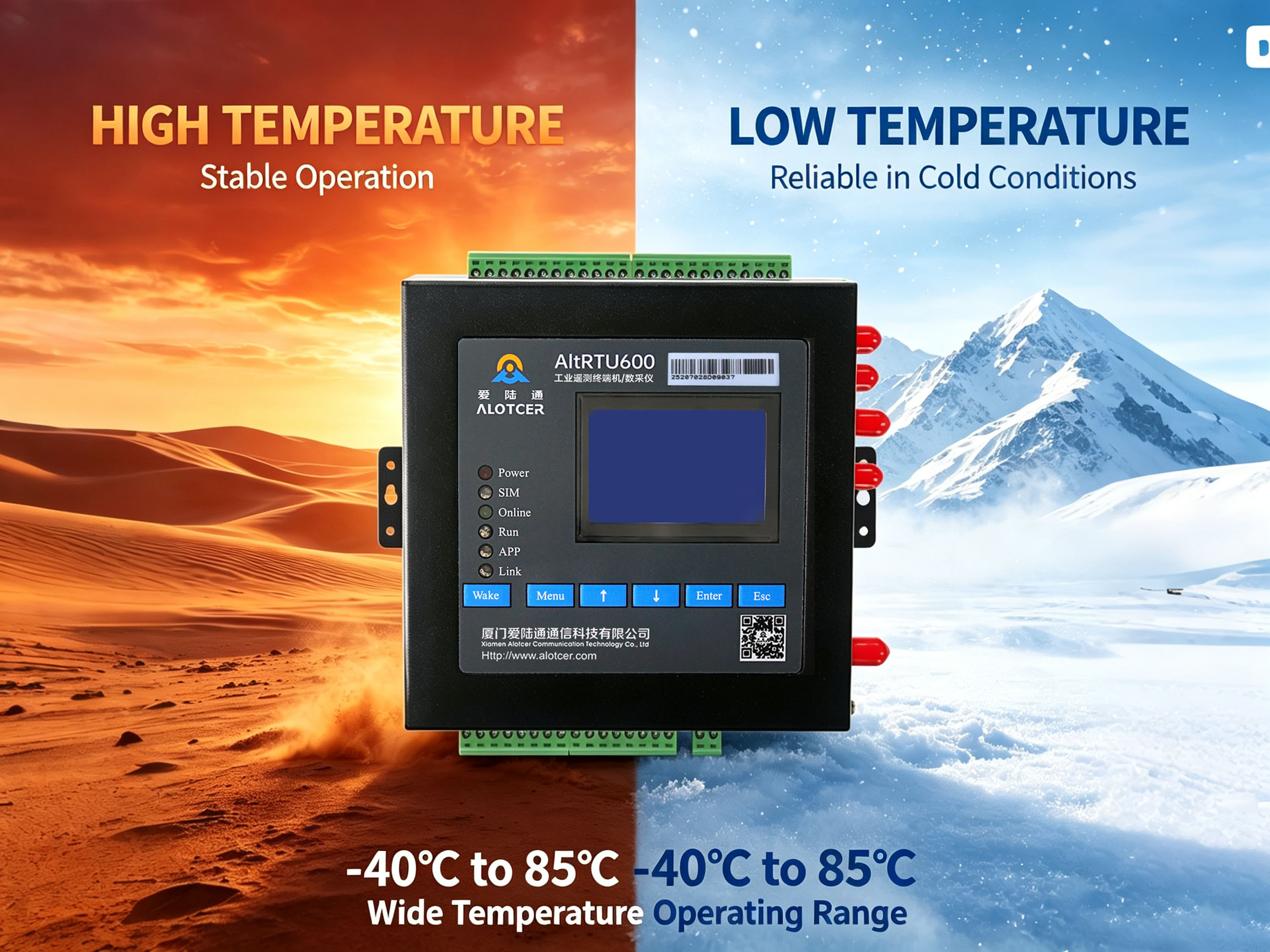
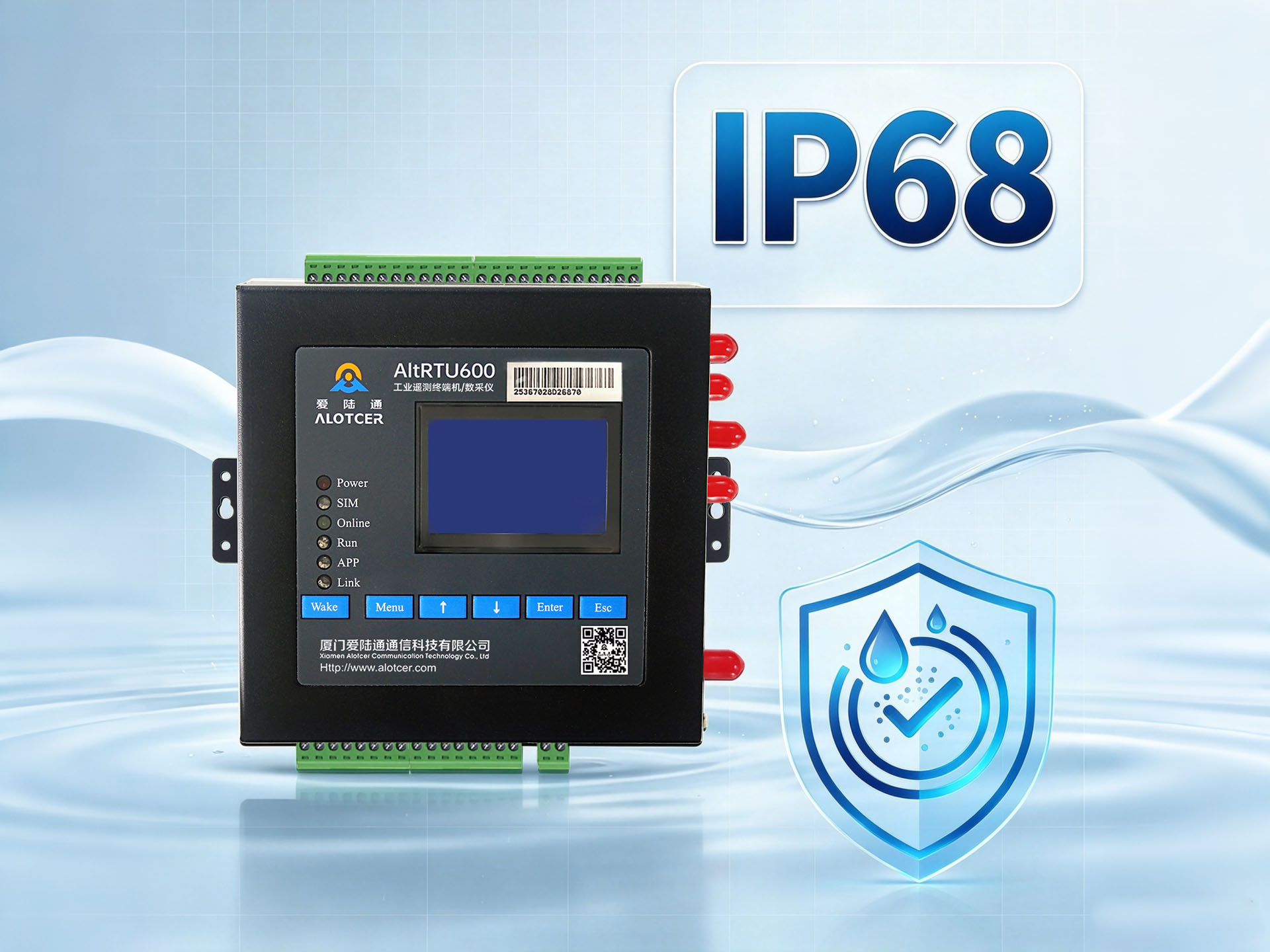
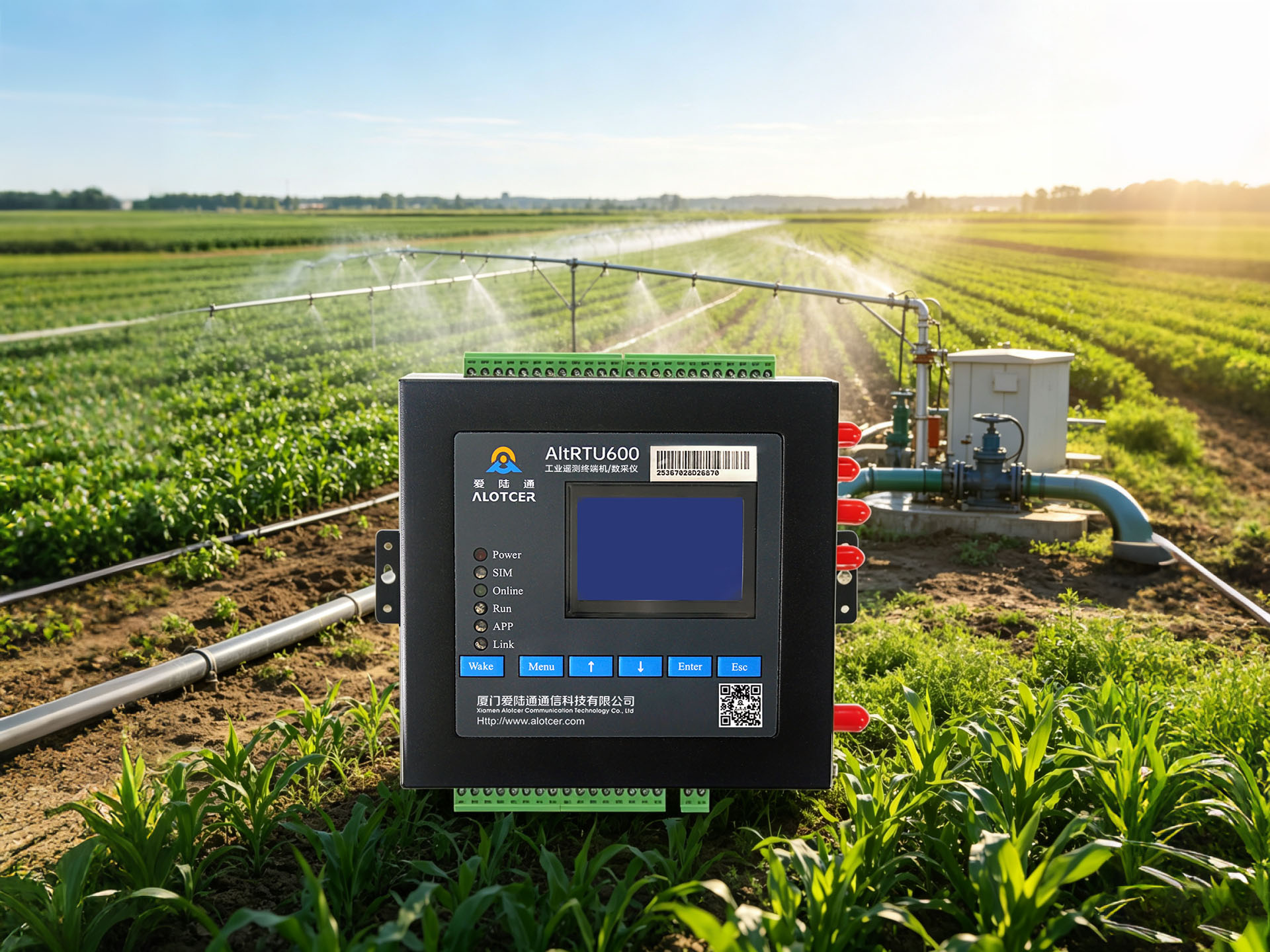
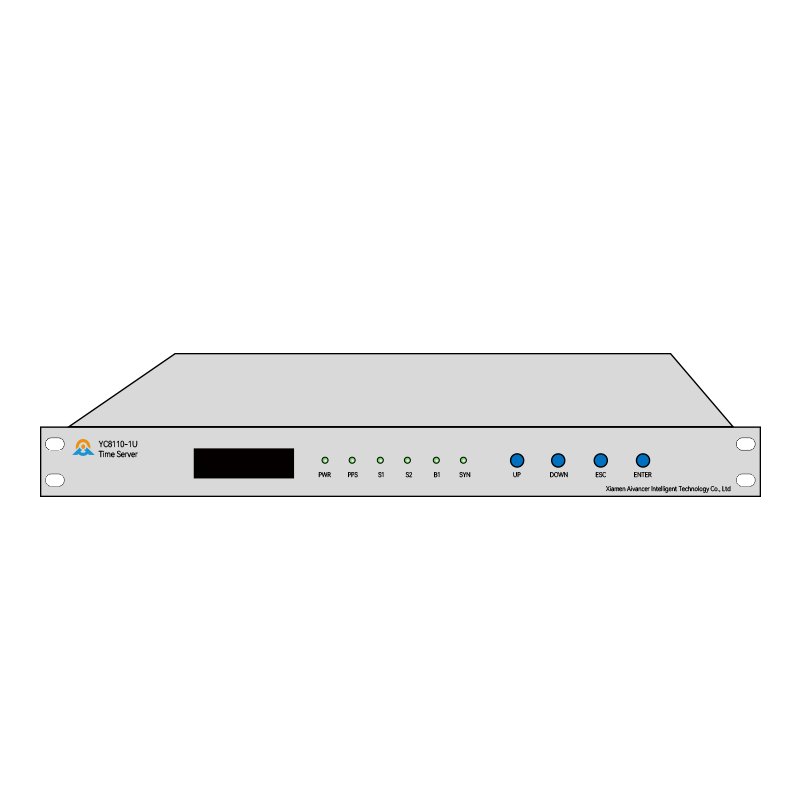
A Water Resource Telemetry Terminal Unit, embedded with various high-precision sensors and data acquisition modules, is capable of monitoring key water resource parameters such as water level, flow rate, water temperature, and pH value in real-time. These terminal devices act as the “eyes” of the water world, constantly watching the dynamic changes in water resources, ensuring that every piece of data is accurately captured and recorded. The collected data, through built-in communication modules, is swiftly sent to remote servers for real-time analysis and decision-making by management personnel via wireless or wired networks like GPRS, CDMA, or Ethernet. This process not only greatly improves the efficiency of water resource management but also provides strong support for the scientific scheduling and rational use of water resources.
DTU Data Transmission
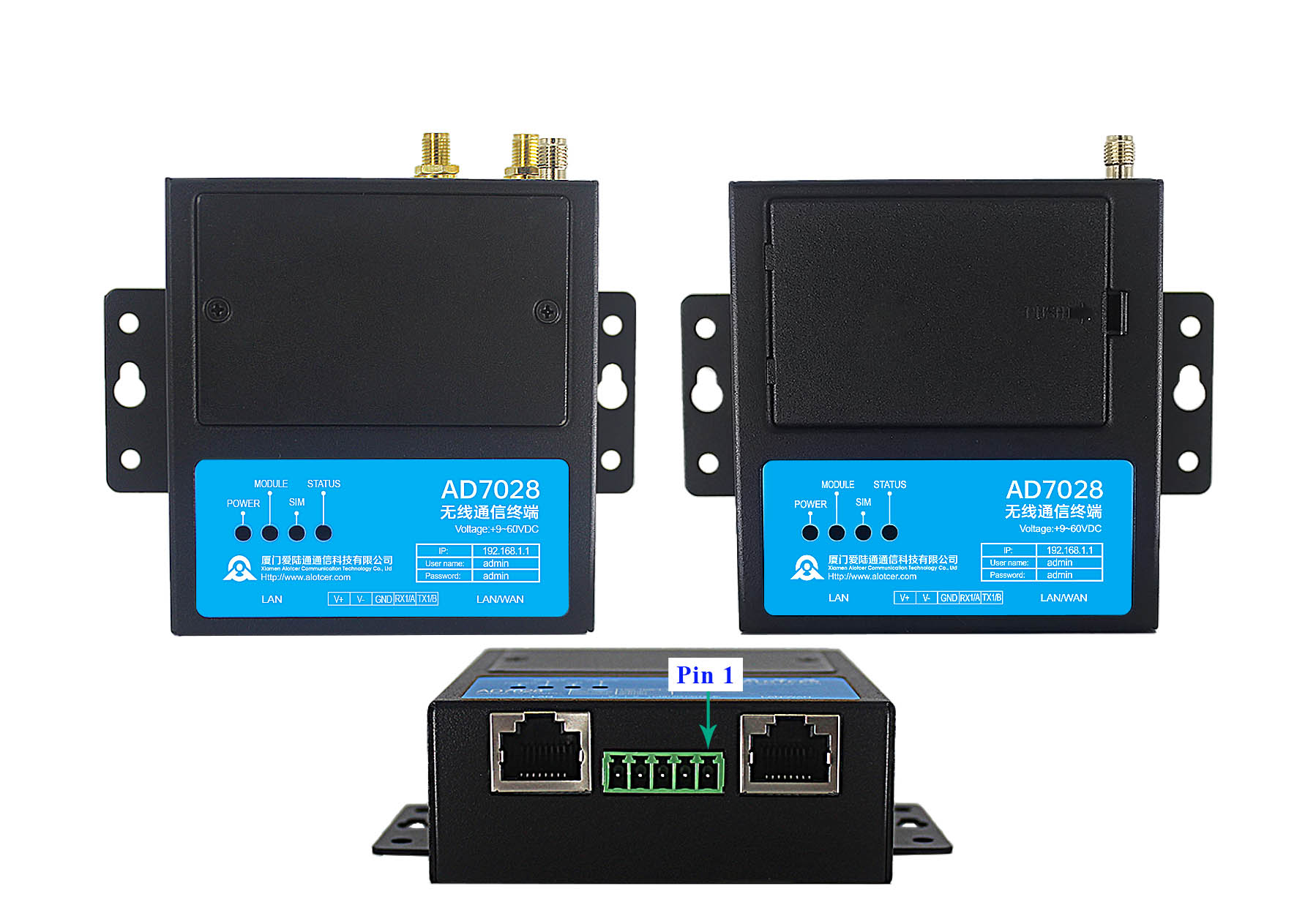
In telemetry systems, a DTU (Data Transmission Unit) is a device specifically designed for data collection and transmission, capable of sending data collected by the Water Resource Telemetry Terminal Unit to remote servers via the network. The working mechanism of a DTU is quite efficient: it first receives data from the Water Resource Telemetry Terminal Unit and then uses built-in communication modules, such as wireless communication technologies like GPRS, CDMA, or wired communication technologies like Ethernet, to transmit data to the specified remote server. This process ensures the timeliness and accuracy of the data while significantly simplifying the data transmission process and reducing the complexity of system maintenance.
RTU Remote Monitoring

RTU (Remote Terminal Unit) is more commonly used for the status monitoring of remote equipment. It communicates with other devices via serial ports or networks, such as Modbus or DNP3 protocols, to obtain real-time operational status information. In water resource monitoring systems, RTU can be used to monitor the operational status of key equipment like water pumps and valves, ensuring their normal operation and preventing water resource loss or pollution issues due to equipment failure. The presence of RTU constantly guards the safety and stability of the water resource monitoring system.
Diversity of Water Resource Telemetry Terminals
It is worth noting that Water Resource Telemetry Terminals can be either DTUs or RTUs, depending on their specific functions and uses. When the primary task of the Water Resource Telemetry Terminal is to collect data and send it to remote servers, it plays more of a DTU role; whereas when its main function is to monitor the status of water resources, such as the operational status of equipment, it leans more towards the RTU positioning. This flexibility allows Water Resource Telemetry Terminals to be configured and used flexibly according to different application scenarios and needs, thus meeting a variety of water resource management requirements.
How to Connect Terminals to Control Consoles?
In practical applications, the connection between Water Resource Telemetry Terminals and control consoles is key to achieving intelligent water resource monitoring. The control console, acting as the “brain” of the entire monitoring system, is responsible for receiving, processing, and analyzing data from various Water Resource Telemetry Terminals, providing management personnel with intuitive monitoring interfaces and accurate decision support. To achieve this goal, a variety of factors need to be considered comprehensively, such as the choice of network type, optimization of data transmission rates, matching of sensor types, and determination of equipment installation locations. These factors not only affect the efficiency and accuracy of data transmission but also directly relate to the stability and reliability of the entire monitoring system.
When building an intelligent monitoring network, it is first necessary to choose the appropriate network type based on actual needs. For remote areas or places with poor network environments, wireless communication technologies such as GPRS, CDMA can be considered; for areas with better network conditions, wired communication technologies like Ethernet can be chosen. At the same time, to ensure the timeliness and accuracy of data transmission, it is also necessary to optimize the data transmission rate to avoid data loss or delay. In addition, based on different monitoring needs, choosing the right type and quantity of sensors is also crucial. Finally, the choice of equipment installation location needs to consider factors such as monitoring range, communication conditions, and equipment safety to ensure that each water resource telemetry terminal can exert the maximum monitoring effectiveness.