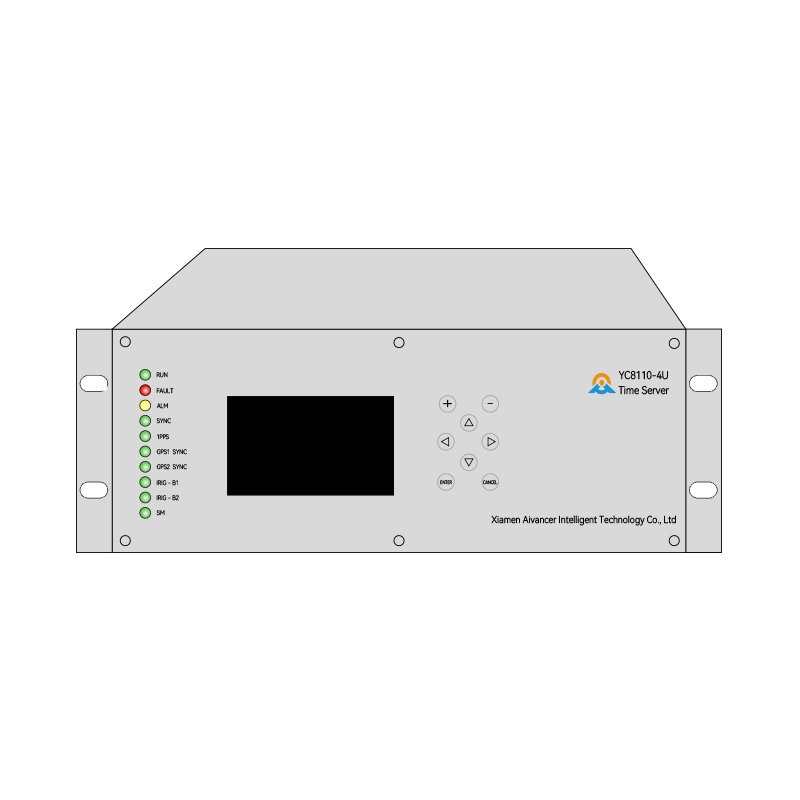
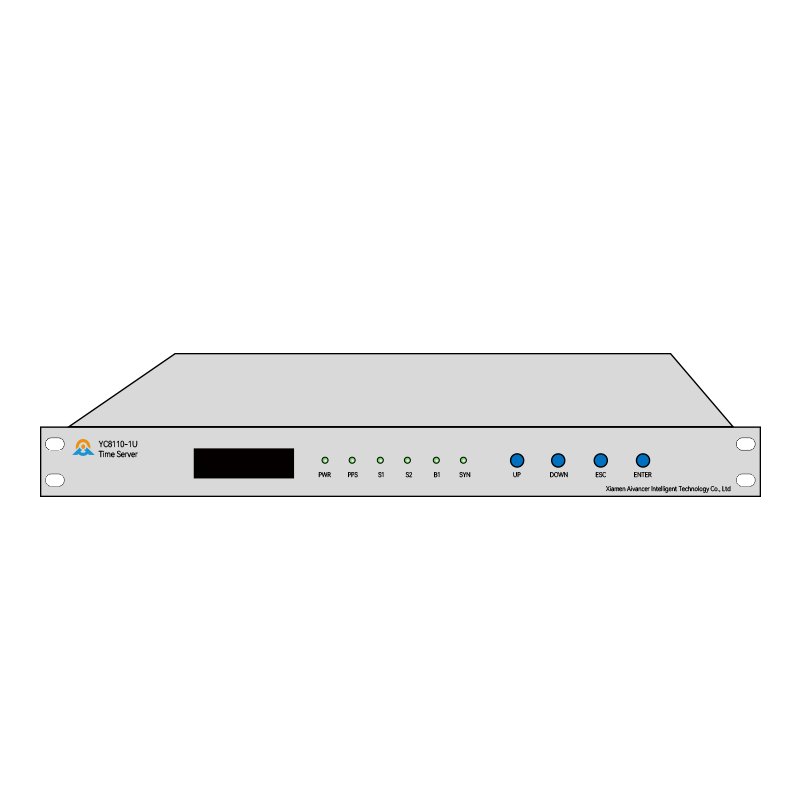
Definition of a Gateway
A gateway is the “gateway” through which a network connects to another network. It serves as a network node that forwards data packets between different networks. In the TCP/IP protocol suite, a gateway is typically an IP address responsible for routing data from one network to another.
Example Illustration
Imagine Network A has an IP address range of “192.168.1.1 to 192.168.1.254,” while Network B has an IP address range of “192.168.2.1 to 192.168.2.254.” If a device in Network A wants to communicate with a device in Network B, the data packet is first sent to Network A’s gateway, which then forwards it to Network B’s gateway, ultimately reaching the target device.
Default Gateway
The default gateway is the designated gateway to which a host sends packets when it cannot find an available gateway. It is commonly used in home and business networks to ensure devices can access external networks.
Setting the Default Gateway
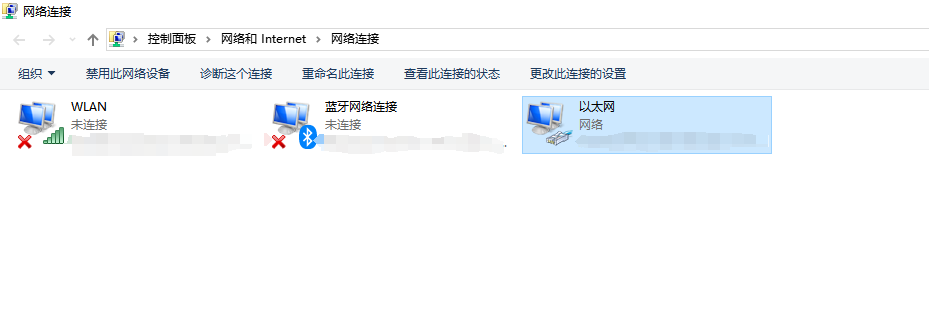
In a Windows system, you can set the default gateway by following these steps:
-
Open the “Network and Sharing Center.”
-
Click on “Change adapter settings.”
-
Right-click on the network connection you are using and select “Properties.”
-
Set the default gateway in “Internet Protocol Version 4 (TCP/IPv4).”
Classification of Gateways
Gateways can be categorized based on their functions and application scenarios:
-
Protocol Gateway: Used for converting different network protocols.
-
Application Gateway: Manages and optimizes specific applications (such as Web traffic).
-
Security Gateway: Provides security features like firewalls and intrusion detection.
Applications of Gateways
Home Networks
In home networks, routers typically serve as gateways, connecting the home’s internal network to the external internet. By setting a default gateway, home users can access the internet while enjoying the security features provided by the router.
Enterprise Networks
In enterprise environments, gateways connect internal networks to external networks and facilitate multi-layered network architectures. For example, enterprises can use multi-layered gateways to achieve isolation and security control between different departments.
Industrial Automation

In industrial automation, gateways connect various industrial devices to networks, enabling remote monitoring and management of equipment. For instance, industrial gateways provide device management and monitoring functions through a Web interface, simplifying the operational process.
Challenges and Solutions for Gateways
Cross-Gateway Issues
When data passes through multiple gateway nodes, it can lead to reduced network speed. Cross-gateway technology optimizes underlying network protocols to break through gateway bottlenecks, enabling direct peer-to-peer communication between clients, thereby increasing network speed and efficiency.
Security Challenges
As the entry point of a network, gateways face various security threats. To address these challenges, gateway devices are typically equipped with security features such as firewalls and intrusion detection systems to protect the network from attacks.
Conclusion
Gateways are a critical component in modern network architectures. They not only enable communication between different networks but also offer a variety of functions, including routing, security, and data forwarding. Whether in home networks, enterprise networks, or industrial automation, gateways play a significant role.